
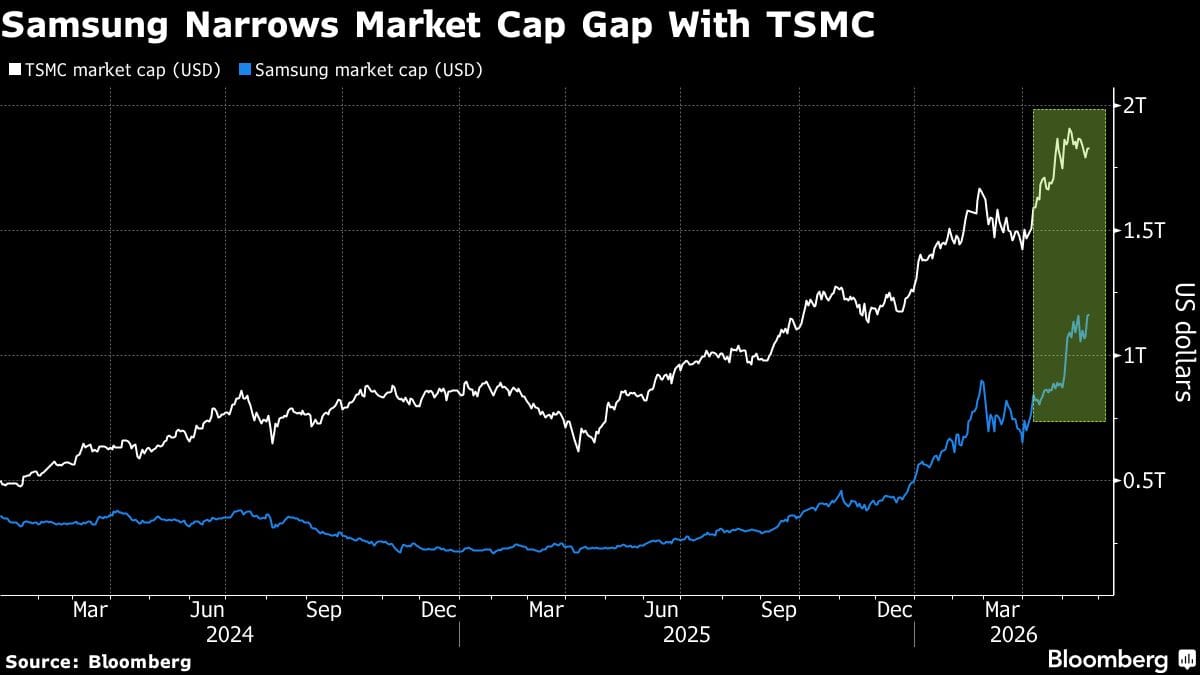
Global stock markets rallied Tuesday as investors piled back into technology shares amid renewed enthusiasm for artificial intelligence, while oil prices retreated sharply on hopes that tensions between Iran and Israel could ease through a fragile truce.
The gains extended across Europe, the United States and the Gulf region, with semiconductor and AI-linked stocks leading advances. At the same time, Brent crude fell as traders reduced geopolitical risk premiums tied to potential disruptions in Middle East energy supplies. According to Reuters, European stocks rose while U.S. futures strengthened, supported by continued investor appetite for AI-driven growth opportunities and easing concerns over regional conflict.
Global Markets boosted by AI-driven technology rally
Technology stocks once again became the primary engine of market gains, with investors focusing on the long-term earnings potential of artificial intelligence. European technology shares outperformed broader indexes, while U.S. futures pointed higher as market participants returned to growth-oriented sectors.
Recent developments in the AI industry have strengthened investor confidence. Companies linked to advanced chips, cloud infrastructure and AI software continue to attract significant capital as businesses worldwide increase spending on generative AI and automation technologies.
Market momentum also follows a series of AI-related developments that have dominated trading throughout recent weeks. Reuters reported earlier this month that optimism surrounding AI-focused companies and potential public listings helped support global equities despite lingering geopolitical uncertainty. Reuters reported that renewed demand for technology shares was a major driver behind Tuesday’s market advance.
Oil prices retreat as Iran-Israel truce hopes improve sentiment
While equities climbed, oil prices moved lower as investors reacted to signs that Iran and Israel may avoid a broader escalation of hostilities.
Brent crude slipped after reports indicated both sides had halted attacks, reducing immediate fears of disruptions to energy exports and shipping routes. The market had previously priced in significant risk surrounding the Strait of Hormuz, a critical passage for global oil supplies.
The decline in crude prices provided additional support for equity markets because lower energy costs can ease inflationary pressures and improve corporate profit margins. Reuters noted that Gulf stock markets also rebounded following news that attacks had been suspended, helping restore investor confidence across the region.
Why lower oil prices matter for global markets
Energy prices remain one of the most important variables for investors monitoring inflation and central bank policy. A sustained decline in oil can reduce transportation and manufacturing costs while easing pressure on consumers.
For equity markets, falling oil prices often create a favorable environment for growth sectors such as technology, which are generally more sensitive to interest-rate expectations. MarketWatch reported that crude prices had recently surged above $98 per barrel during heightened conflict fears before reversing as geopolitical tensions eased.
Markets continue a trend seen throughout recent months
The latest rally reflects a broader pattern that has emerged repeatedly in 2026: AI optimism pushing stocks higher while developments in the Middle East drive sharp moves in oil markets.
In early June, global equities advanced on expectations of stronger AI-related growth even as investors monitored uncertainty surrounding Iran. Earlier Reuters coverage highlighted how enthusiasm for AI investments helped offset geopolitical concerns and supported global stock indexes.
Last month, markets experienced a similar reaction when reports of progress toward a potential Iran-related agreement sent stocks higher and oil sharply lower. Those moves reinforced the growing influence of both AI investment trends and Middle East developments on global asset prices.
For additional context, readers may find value in these earlier reports:
Global stocks surge and oil slides on Iran peace deal report (May 2026)
Stocks rally on AI optimism; jitters over Iran simmer (June 2026)
Stock markets fall as concerns persist over tech firms at heart of AI boom (June 2026)
Investors watch inflation, rates and geopolitical risks
Despite Tuesday’s optimism, investors remain cautious about several risks that could influence markets during the second half of the year.
Higher borrowing costs, persistent inflation and uncertainty surrounding central bank decisions continue to weigh on sentiment. At the same time, traders remain alert to any renewed escalation between Iran and Israel that could quickly reverse recent declines in oil prices.
Analysts say the balance between AI-driven earnings growth and macroeconomic risks will likely determine the direction of global markets over the coming months. Reuters previously reported that easing geopolitical tensions had already helped technology stocks recover from earlier weakness, highlighting how quickly market sentiment can shift.
For now, investors appear focused on the stronger narrative: accelerating AI investment, resilient technology demand and hopes that diplomatic progress in the Middle East could keep energy prices contained while supporting broader economic growth.