

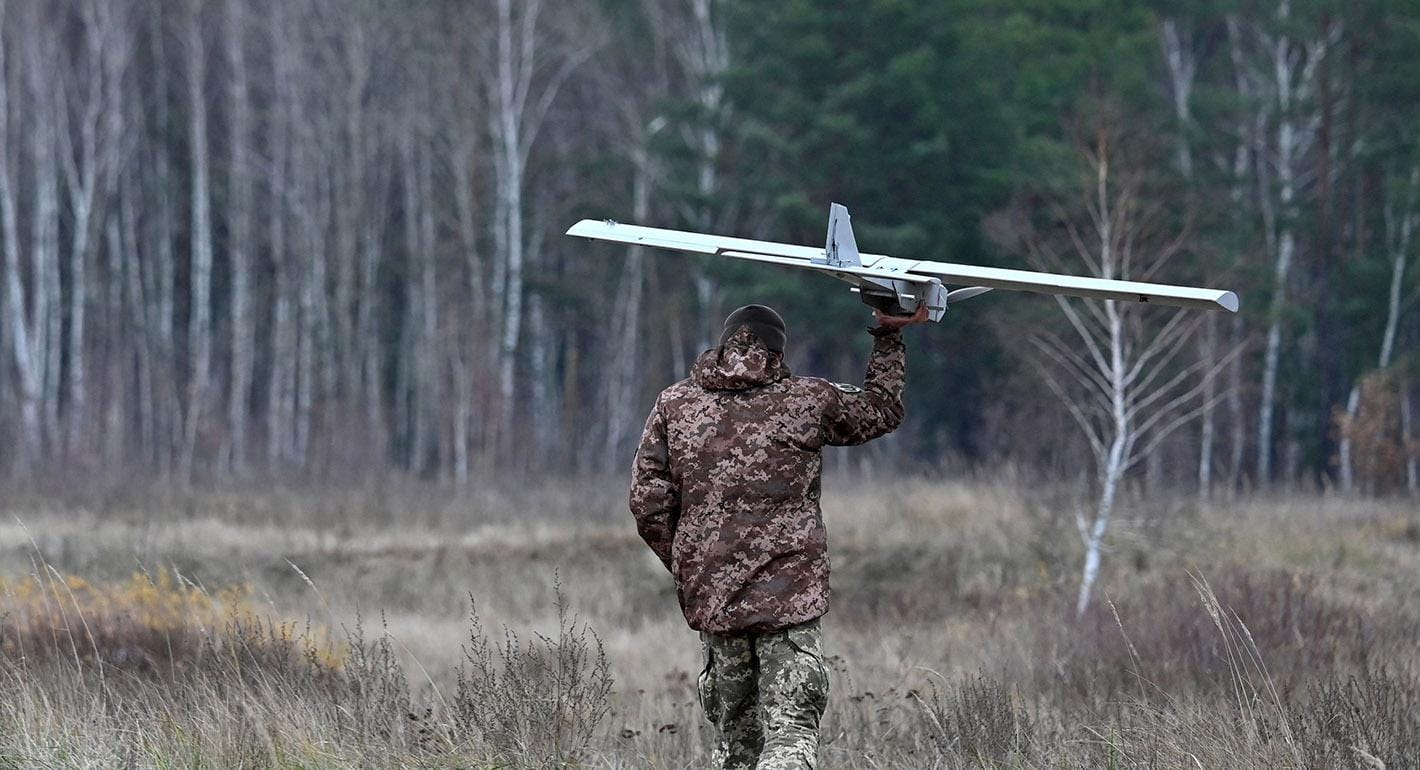
WASHINGTON — U.S. national-security officials concluded that Ukraine did not target Russian President Vladimir Putin or one of his residences in Russia’s Novgorod region in a Ukraine drone strike this week, according to a Wall Street Journal report that Reuters said it could not independently verify. The conclusion undercuts Moscow’s narrative as Russian officials warn of retaliation and say the allegation could harden Russia’s approach to U.S.-backed peace talks, Jan. 1, 2026.
Ukraine drone strike claim: what Russia alleged
Russian Foreign Minister Sergey Lavrov accused Kyiv of launching 91 long-range drones toward a presidential compound in the Novgorod region, saying air defenses destroyed the aircraft and that there were no injuries or damage. A Reuters explainer described the site as the Valdai residence — also known as “Uzhin” or “Dolgiye Borody” — a heavily guarded complex on the shores of Lake Valdai, roughly 225 miles (360 kilometers) north of Moscow.
Ukraine flatly denied carrying out the Ukraine drone strike described by Lavrov, and Zelenskyy called the “residence strike” allegation a “complete fabrication” meant to justify additional attacks on Ukraine. European Union foreign policy chief Kaja Kallas dismissed Russia’s account as “a deliberate distraction,” according to a Reuters report that also described the claim as a potential flash point for U.S.-led diplomacy heading into the new year.
The dispute widened after Reuters reported that U.S. officials, citing a CIA assessment, found no attempt to target Putin or his property in the alleged Ukraine drone strike — a conclusion first reported by the Wall Street Journal. Reuters said it could not independently confirm the Journal’s account in its summary, published late Dec. 31.
President Donald Trump initially told reporters he learned of the alleged Ukraine drone strike directly from Putin and said he was “very angry” about it. But U.S. Ambassador to NATO Matthew Whitaker later said “it is unclear whether it actually happened” and emphasized relying on U.S. and allied intelligence, according to Reuters coverage.
Questions around the Ukraine drone strike claim persist because publicly verifiable evidence remains limited. Russia’s Defense Ministry released video it said showed drone wreckage and described a device it said carried an explosive charge, while Ukraine’s foreign ministry said it was confident no attack occurred. Ukraine also pointed to inconsistent Russian public accounts, including shifting drone totals and changing descriptions of where the drones were intercepted, as it argued the episode fit a broader disinformation pattern.
Older reporting offers continuity
Russia has leveled similar accusations before. In May 2023, Moscow said Ukraine tried to kill Putin in a nighttime drone attack on the Kremlin — a claim Kyiv denied, Reuters reported then. The Associated Press, covering the same episode, quoted Zelenskyy as saying, “We don’t attack Putin or Moscow,” in its account of Ukraine’s denial.
Later that month, Reuters reported that U.S. intelligence agencies believed the 2023 Kremlin drone incident was likely orchestrated by Ukrainian spies or military intelligence, based in part on intercepted communications, in its May 2023 dispatch — an example of how intelligence assessments, public denials and wartime messaging often diverge.
For now, the latest Ukraine drone strike allegation remains disputed, but it shows how quickly claims involving high-profile targets can be weaponized for leverage in negotiations — even when independent confirmation is hard to obtain.


