

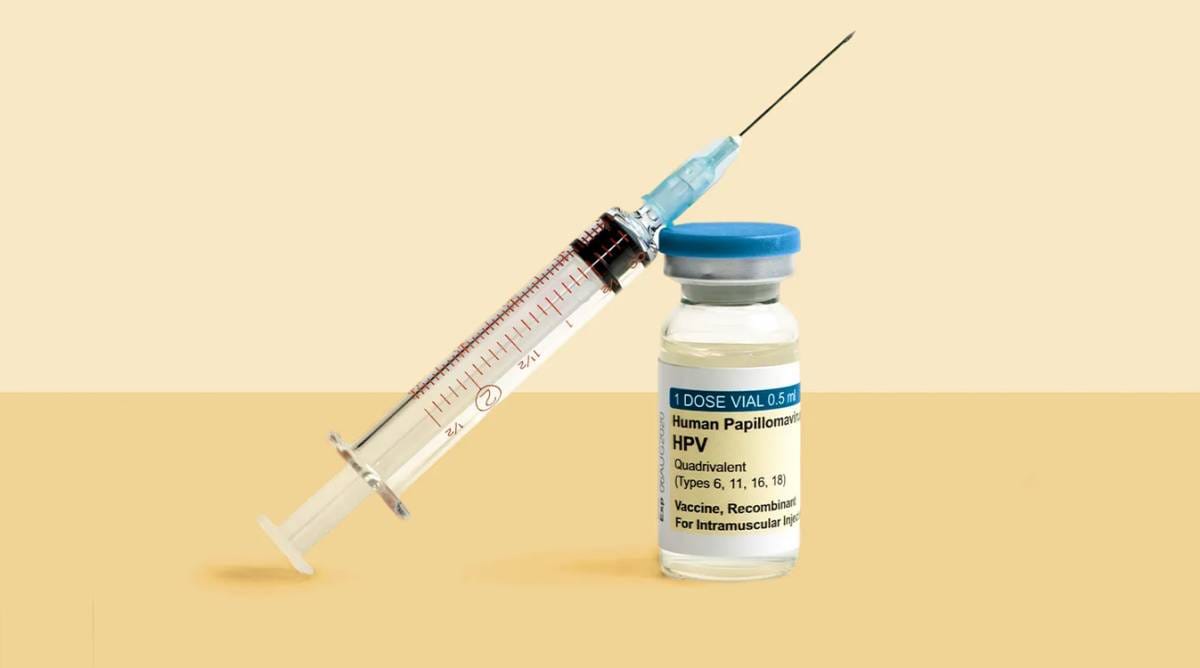
KARACHI, Pakistan — Sindh has added the HPV vaccine to its Expanded Programme on Immunisation (EPI), making the shot free for 9-year-old girls through routine services across the province, Jan. 1, 2026.
Health officials say the move is meant to block infections that can lead to cervical cancer and to keep the rollout from being derailed by online rumors, with vaccination offered at EPI centers, outreach sites and school sessions. Details of the provincial notification and delivery plan were reported by Dawn.
Why the HPV vaccine matters
Persistent infection with certain types of human papillomavirus causes nearly all cervical cancers, and the World Health Organization says HPV vaccination for girls ages 9 to 14 is “highly effective” at preventing infection and cervical cancer. The virus is common and often silent, which is why health experts urge vaccination before exposure. (See WHO’s cervical cancer fact sheet.)
National partners have also underscored the stakes in Pakistan. In a September 2025 statement about the national campaign, WHO said the country loses eight women a day to cervical cancer and framed the HPV vaccine as a “safe, science-based and effective” protection for girls. (Read WHO’s Pakistan update here.)
In the same launch, Federal Health Minister Syed Mustafa Kamal urged parents not to “fall prey to negative campaigns,” saying the HPV vaccine is “safe, effective, and essential for protecting our girls,” according to a UNICEF press release.
How the HPV vaccine rollout is changing in Sindh
Under the routine plan, Sindh aims for at least 70% coverage among girls age 9 and will use a mixed approach: fixed-site services, community outreach and school-based activities, according to the Dawn report. Officials say integrating the HPV vaccine into existing EPI registers and cold-chain systems is designed to make the program easier to track, especially in dense urban neighborhoods where families move often.
The cost is also being built into budgets. The province has allocated 797 million rupees (Rs797 million) over three years for procurement and expects to vaccinate about 700,000 girls a year, according to The Express Tribune.
Misinformation remains a hurdle
Sindh is not starting from scratch. During a September 2025 campaign, the province said it vaccinated more than 550,000 girls in the first few days but also faced “vaccine hesitancy” and a steady stream of social media claims, Dawn reported at the time.
Frontline vaccinators described the same pattern to partners. “At first visit, parents are often reluctant, due to negative videos,” a Sindh vaccinator told Gavi’s VaccinesWork during the 2025 push.
Pakistan’s broader rollout has also had to confront false claims about fertility and religion. A 2025 report by The Guardian described how health teams paired school outreach with door-to-door messaging to reach girls who were out of school.
For Sindh’s routine program, health officials say the lesson is simple: an HPV vaccine appointment should feel like any other childhood shot — scheduled, documented and backed by trusted local voices. Officials say outreach teams will be key for families who miss school sessions or routine visits, a model already used for other EPI services.


