

WASHINGTON — U.S. officials told senators in a closed-door Capitol Hill briefing this week that the first six days of the war with Iran cost at least $11.3 billion, opening a new fiscal front in the conflict as Congress braces for an emergency funding request. The estimate matters because the administration still has not offered a full public price tag or clear timeline, leaving lawmakers to argue over readiness, replenishment and oversight before they are asked to spend more, March 11.
According to a Reuters report on the $11.3 billion estimate, the number shared with senators did not represent the full cost of the war. The same report said congressional aides expect the White House to seek additional money soon, with some officials putting a possible request around $50 billion and others saying even that figure could prove too low.
Iran war cost moves from battlefield metric to budget fight
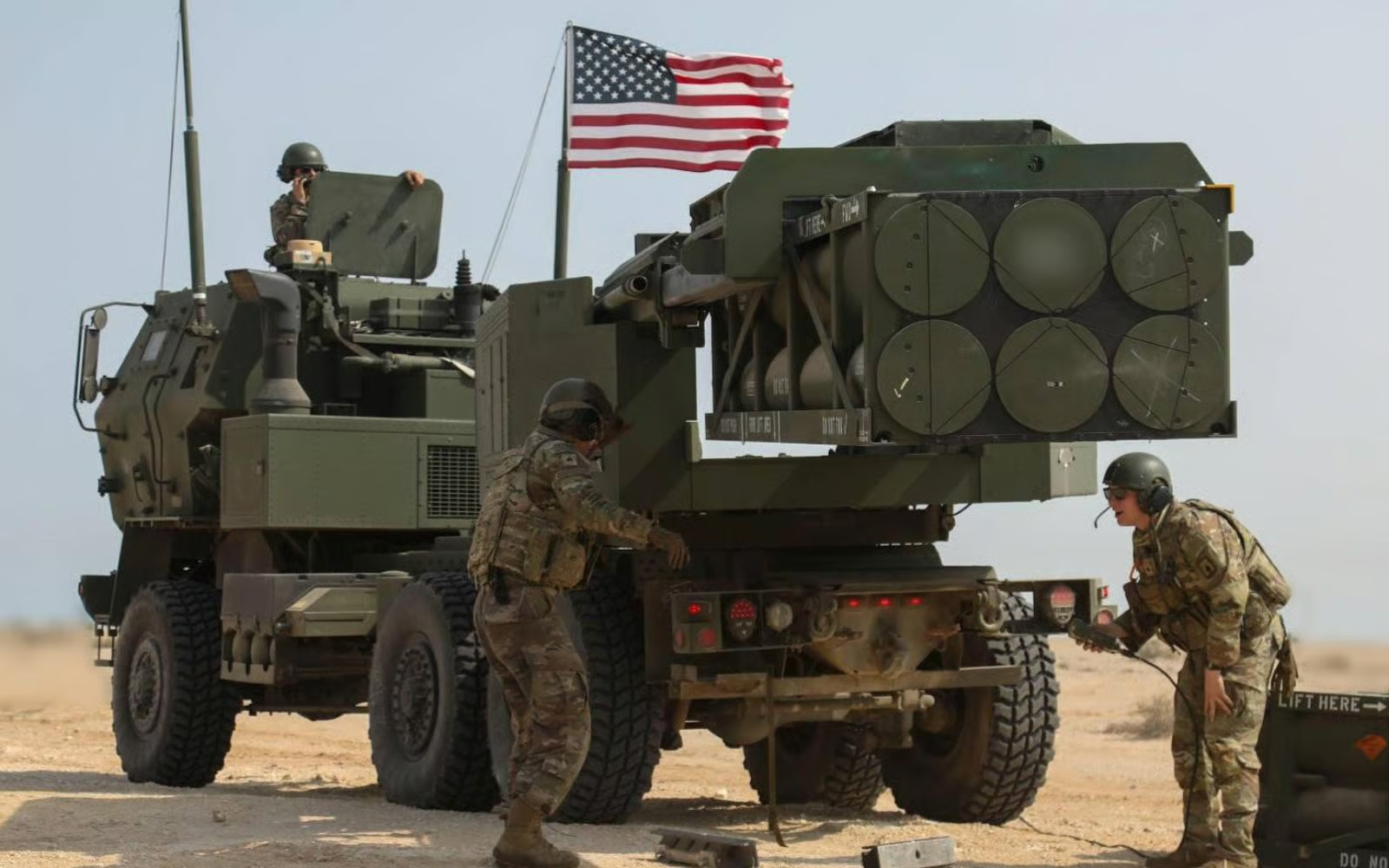
Capitol Hill already had reason to worry about the pace of spending. A day earlier, another Reuters report on the first two days of strikes said officials told congressional committees that $5.6 billion in munitions had been used almost immediately, sharpening concerns about missile inventories and the Pentagon’s ability to refill stocks while supporting other missions.
Those replenishment worries are not abstract. On March 3, Reuters reported on a White House meeting with major defense contractors as the administration pushed industry to accelerate production and weighed a supplemental request of roughly $50 billion. That suggests the current price tag is better understood as an early marker than a final total.
Congress also enters the funding debate after losing an early fight over war powers. The Senate’s March 4 roll call vote shows lawmakers rejected a resolution that would have required congressional approval for further hostilities against Iran, 53-47. That did not settle the money question, but it narrowed one immediate path for lawmakers seeking to slow the campaign.
Why the Iran war cost could keep rising
The battlefield bill is now overlapping with market fallout. In a March 11 International Energy Agency announcement, the IEA said its 32 member countries agreed to make 400 million barrels of emergency oil stocks available after the Middle East conflict disrupted markets. That response underscores how the war’s financial burden now extends beyond Pentagon operations and into fuel, shipping and inflation politics that Congress will also have to manage.
That broader struggle has been building for years. After the January 2020 U.S. strike that killed Iranian commander Qassem Soleimani, Reuters reported that the House passed legislation to limit President Donald Trump’s ability to wage war against Iran, a sign that lawmakers were already trying to reclaim a larger role in decisions that could trigger a wider regional conflict. The same argument resurfaced last year when Reuters reported that the Senate rejected another Iran war powers measure in June 2025, keeping the constitutional dispute alive even before the current campaign began.
That history matters now because appropriations may become Congress’ most effective leverage. Lawmakers can demand more frequent briefings, tie money to replenishment timelines, or insist on a clearer definition of success before writing a much larger check. Until that happens, the $11.3 billion figure may be treated on Capitol Hill less as a final tally than as an opening benchmark in the Iran war cost debate.


