

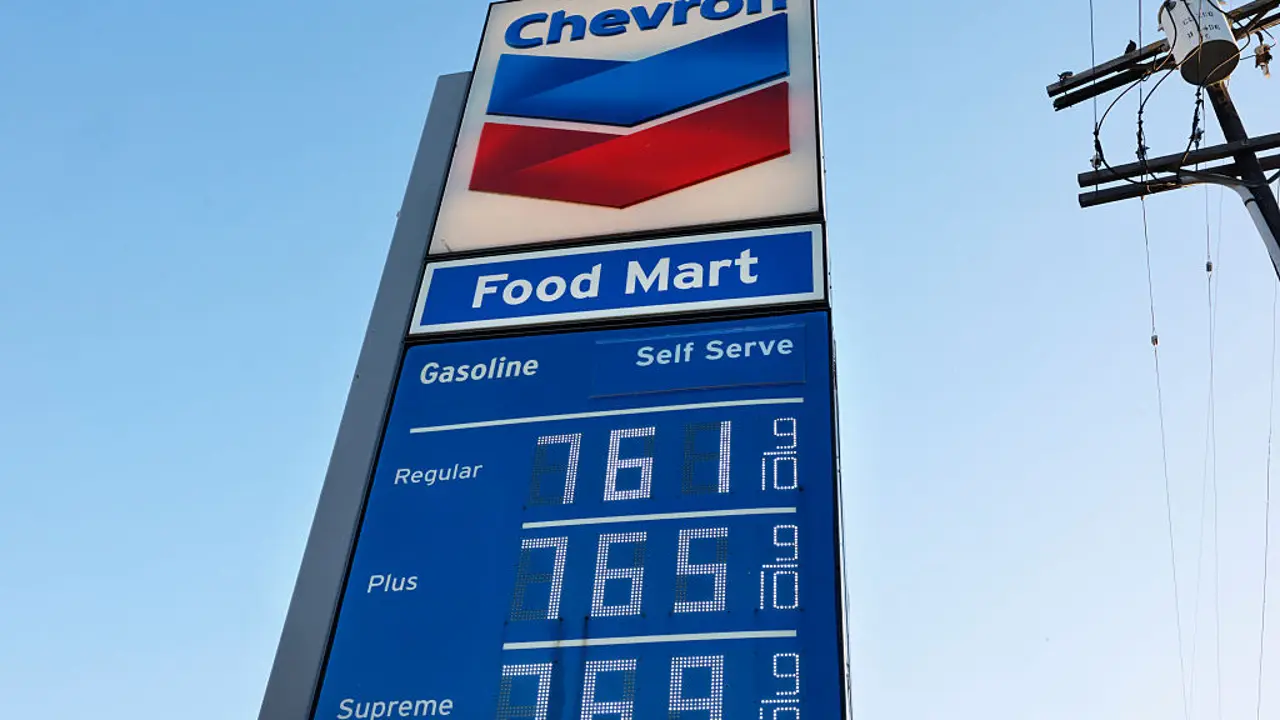
SACRAMENTO, Calif. — California drivers are facing another sharp jump in fuel costs as the U.S.-Israel war with Iran jolts oil and fuel markets just as the state nears another major refinery loss. The risk is bigger in California than in most of the country because the state runs on a special gasoline blend, depends on a tight in-state refining system and has few quick backup supply routes, March 14, 2026.
The latest AAA statewide average put regular gasoline in California at $5.42 a gallon Friday, compared with a $3.63 national average, underscoring how far the state is already trading above the rest of the country.
Why California gas prices are rising so fast
The immediate shock is overseas. In a Reuters report on California’s current fuel spike, the statewide average was described as up more than 18% over the past month, and energy economist Philip Verleger warned that a prolonged disruption tied to the Iran conflict and the Strait of Hormuz could push the state into unprecedented $10-a-gallon territory.
California’s market is especially exposed when global supply is disrupted. The California Energy Commission’s overview of what drives California’s gasoline prices says the state uses its own cleaner-burning gasoline blend and has no incoming pipelines from major U.S. refining hubs, which makes it harder and slower to replace missing barrels when local production falls short.
How refinery closures are tightening supply
That global shock is landing on a system with less cushion than it had only a few years ago. The state’s refinery roster still shows Valero’s Benicia refinery intending to stop refining by the end of April 2026, removing another major source of in-state fuel supply.
Gov. Gavin Newsom said in a January update on the Benicia refinery that Valero plans to keep importing gasoline into Northern California after refining operations idle. That may soften the blow, but it does not replace the flexibility that comes from having more fuel made inside the state.
The problem for drivers is not just higher crude prices. It is the combination of pricier feedstock, fewer local refining options, harder-to-source imports and a market structure that leaves little room for error when another disruption hits.
California gas prices have been flashing warning signs for years
This is not a brand-new problem. The EIA flagged the same pattern in 2019 after refinery outages and falling inventories. Reuters chronicled another California spike in 2022 as prices jumped above $6 a gallon. And Reuters reported in October 2024 that Phillips 66 would shut its Los Angeles-area refinery, turning a recurring outage story into a longer-term capacity story.
The through-line is simple: California gas prices do not need just one bad headline to surge. They move fastest when several pressures hit at once — higher crude, tighter imports, refinery outages or closures, and a fuel system built with fewer easy substitutes than most other states.
That is why the latest warnings are landing differently. A $10-a-gallon scenario still looks like a worst-case outcome rather than a base case, but California is heading into spring with the same structural weaknesses that have driven past spikes — and with a fresh geopolitical shock arriving at exactly the wrong time.
For motorists, the near-term question is how long the Iran-related supply shock lasts and whether replacement cargoes arrive quickly enough to keep stations stocked as the state moves deeper into its seasonal price run-up.


