

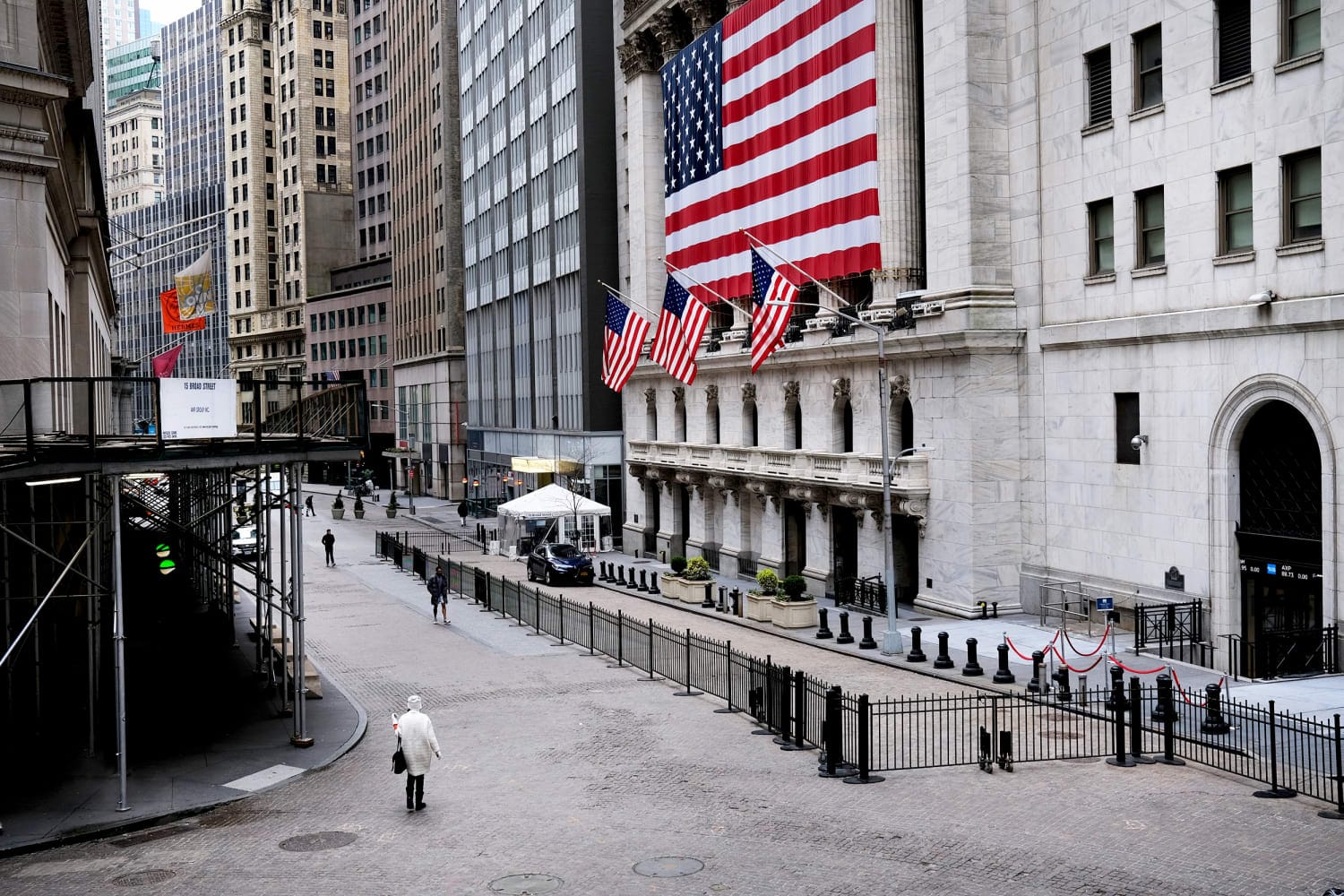
NEW YORK — Wall Street rebounded Wednesday as oil prices slid and investors seized on faint signs that diplomacy with Iran had not fully broken down. The rally followed a U.S. ceasefire proposal sent through intermediaries, but the move stayed fragile because Iranian officials denied direct talks and the wider conflict kept burning, March 25, 2026.
In Reuters’ March 25 markets report, the Dow Jones Industrial Average rose 0.66%, the S&P 500 gained 0.54% and the Nasdaq Composite added 0.77%, while Brent crude settled at $102.22 a barrel and U.S. West Texas Intermediate fell to $90.32. The action underscored how quickly investors are willing to buy risk when energy prices back off, even slightly.
AP’s market wrap described the session as another flip-flop in a market that has been whipped around for weeks by oil, bond yields and each new headline out of the Gulf. That left traders leaning into a familiar view: if crude cools, pressure on inflation and interest rates eases with it. As Nationwide Financial strategist Mark Hackett put it, “The faster we get a resolution the better.”
Why Wall Street is watching oil and the Strait of Hormuz
The market’s reflex makes sense. A Reuters explainer on the Strait of Hormuz notes that about a fifth of global oil consumption moves through the narrow waterway, along with most of Qatar’s liquefied natural gas exports. Any hint that shipping could normalize strips some geopolitical premium out of crude. Any sign the route could stay constrained puts that premium right back in.
That is why Wednesday’s rebound looked more like relief than conviction. Lower oil gives investors room to believe the Federal Reserve may not need to stay tighter for longer, while pricier crude quickly revives fears of a fresh inflation shock. In other words, Wall Street is not trading only on ceasefire headlines; it is trading on what those headlines imply for energy, rates and earnings.
What Wall Street is watching next
The trouble for bulls is that the diplomatic picture remains muddy. In a March 26 Reuters report from Tehran, Tel Aviv and Washington, Iran said it was reviewing the U.S. plan but insisted there were no talks with Washington. That is enough to keep hopes alive, but not enough to persuade investors that a durable settlement is close.
The hesitation showed up almost immediately. A later Reuters global markets wrap said stocks slipped again on Thursday while oil resumed climbing, a reminder that this is still a headline-driven market rather than a durable all-clear. One peace rumor can spark a relief trade; it cannot, by itself, erase the inflation and supply damage already priced into the system.
Wall Street has seen this pattern before
This reflex is not new. In June 2019, Reuters reported Wall Street climbing after tanker attacks in the Gulf of Oman pushed oil higher and lifted energy shares, showing how quickly Middle East shipping risk can reshape sector leadership.
The same logic returned in April 2024, when Reuters noted crude easing on hopes of an Israel-Hamas ceasefire, and again in June 2025, when Reuters reported U.S. stocks rallying as Middle East tensions cooled. The message across all three episodes is consistent: when traders think supply risks are easing, oil softens first and equities usually follow.
That history is why Wednesday’s move should be read less as a decisive reset and more as a relief bid. If crude keeps easing and traffic through Hormuz starts to normalize, Wall Street may be willing to extend the rebound. But if diplomacy stalls or the conflict widens again, the same traders who chased the bounce are likely to retreat just as quickly.


