

Why the Iran war endgame suddenly looks real
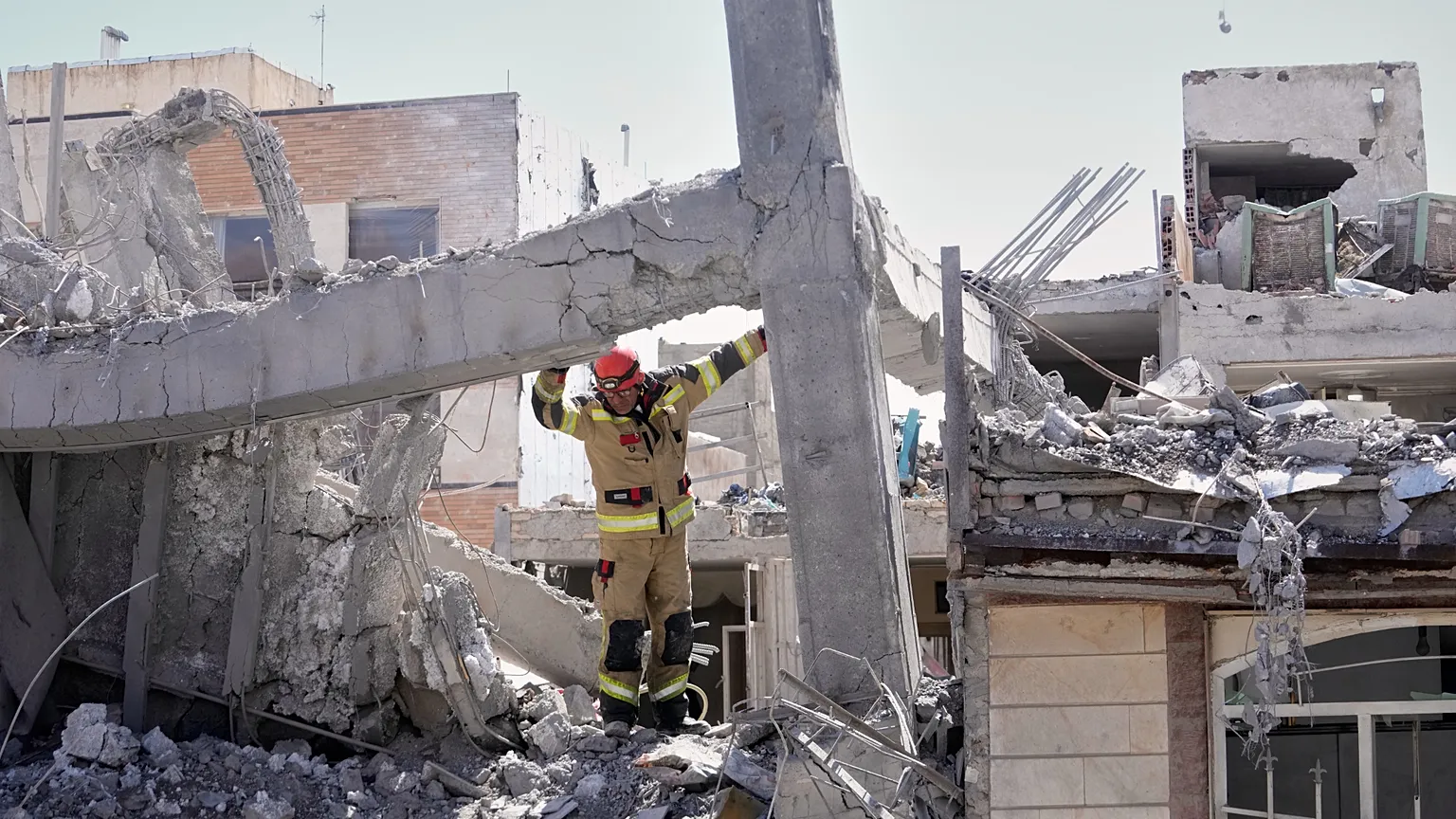
In Rubio’s Tuesday remarks, he said messages were being exchanged with Iran and that a direct meeting was possible, even as he argued the alliance had become a “one-way street” if European partners would not provide basing or overflight help when Washington asked. The war is now in its fifth week, and it has killed thousands, displaced millions and shaken oil markets.
Trump’s separate two-to-three-week timeline reinforced the sense that the White House is preparing the political ground for an end to major U.S. attacks. But Tehran has not publicly accepted that framing. Iranian Foreign Minister Abbas Araghchi said the messages coming from U.S. envoy Steve Witkoff were not negotiations, only threats or views passed through intermediaries, a reminder that a military wind-down and a diplomatic breakthrough are not the same thing.
That gap was already visible at the G7 foreign ministers’ meeting in France, where Rubio pushed a postwar plan to keep the Strait of Hormuz open while allies pressed for diplomacy and an end to attacks on civilians. The split matters because Rubio’s NATO warning is not arriving in a vacuum; it is landing amid open European skepticism over the war and over what, exactly, Washington expects from allies once the shooting slows.
Iran war diplomacy still looks fragile
At home, the administration is also operating under visible political pressure. A Reuters/Ipsos poll found that two-thirds of Americans want the United States to end its involvement quickly even if all of its stated goals are not achieved. The finding adds to the urgency around any exit strategy as higher fuel costs and broader economic anxiety ripple through the country.
Public messaging still points in several directions at once. Washington is talking about direct contact, Tehran is disputing that talks are underway, and allied capitals are preparing for postwar shipping security without endorsing the war itself. The emerging endgame may produce a military pause before it produces a political settlement.
How the Iran war reached this point
The road here was longer than this week’s headlines. Trump reimposed a “maximum pressure” campaign on Iran in February 2025, then sent a letter to Ayatollah Ali Khamenei the next month seeking a new nuclear deal, and later moved into Oman-mediated talks in April 2025 that both sides initially described as positive.
Those steps never produced a durable settlement, and the current war erupted Feb. 28. That is what gives Rubio’s new language its weight: Washington is once again talking about direct contact with Tehran, but from a far deadlier position than the one it occupied a year ago. If a finish line is now visible, the final stretch still runs through the same unresolved questions that have defined U.S.-Iran diplomacy for years.


