

Why the Israel death penalty law is drawing U.N. and EU condemnation
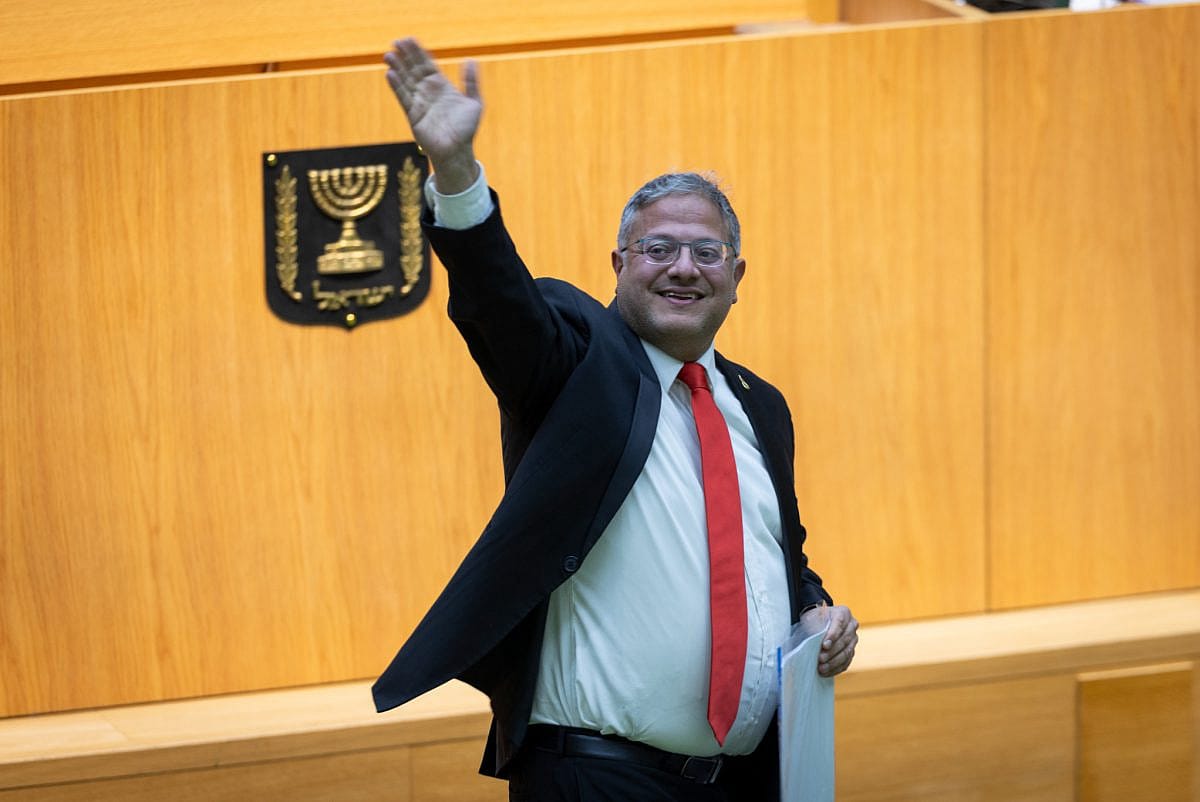
Under the measure, death by hanging becomes the default sentence in West Bank military courts, with life imprisonment left only to undefined “special circumstances.” Supporters led by far-right National Security Minister Itamar Ben-Gvir say the law is meant to deter future attacks and reduce the leverage created by prisoner-exchange deals.
But U.N. High Commissioner for Human Rights Volker Türk said the law is “deeply discriminatory,” warned that the 90-day execution timetable and the absence of a pardon process violate Israel’s international obligations, and said applying it to residents of the occupied Palestinian territory would amount to a war crime.
European criticism was nearly as blunt. In Brussels, a European Commission spokesperson called the decision “a clear step backwards,” while an earlier European Union warning before the final vote said turning the bill into law would be a grave step backward from Israel’s long de facto moratorium on executions.
Israel death penalty law and the 90-day hanging provision
The fight is not only about capital punishment in the abstract. In a petition filed minutes after passage, the Association for Civil Rights in Israel argued that the statute makes death the default penalty in the military courts that try Palestinian defendants in the occupied territories, allows conviction by a simple majority rather than a unanimous panel and denies a right to pardon. The group says the result is a dual legal track that exposes Palestinians to the harshest possible sentence while Jewish defendants are effectively insulated by the way the offense is defined in civilian courts.
That structure explains why the diplomatic backlash has been so immediate. For the United Nations and the EU, the 90-day timetable has become the clearest symbol of a law critics say goes beyond deterrence and into the formalization of unequal justice under occupation.
Israel death penalty law debate has been building for years
The current showdown did not begin this week. Reuters reported in 2018 that the Knesset gave preliminary backing to legislation meant to make it easier for courts to impose death sentences in terrorism cases, including by lowering the unanimity requirement in military courts. The idea stalled, but it never disappeared from the Israeli right.
It resurfaced with new force after Oct. 7. Reuters reported in November 2025 that lawmakers again advanced a Ben-Gvir-backed version of the bill, with supporters arguing that capital punishment would deter attackers and remove the possibility that convicted prisoners could later be freed in exchange deals. This week’s law is the clearest sign yet that an idea once treated as politically difficult has moved into the center of coalition policy.
That shift is significant because Israel abolished the death penalty for murder in 1954, and Adolf Eichmann’s 1962 execution remains Israel’s only civilian-trial use of capital punishment. The Supreme Court challenge filed immediately after passage means the law’s future is not settled, but the diplomatic fallout is already clear.
Whether Israel’s Supreme Court lets the law stand or not, the measure has already reopened a debate that Israeli politics kept alive for years. It has also created a new point of friction between Israel, international bodies that oppose capital punishment in all cases, and domestic rights groups that say the law writes inequality directly into the justice system.


