

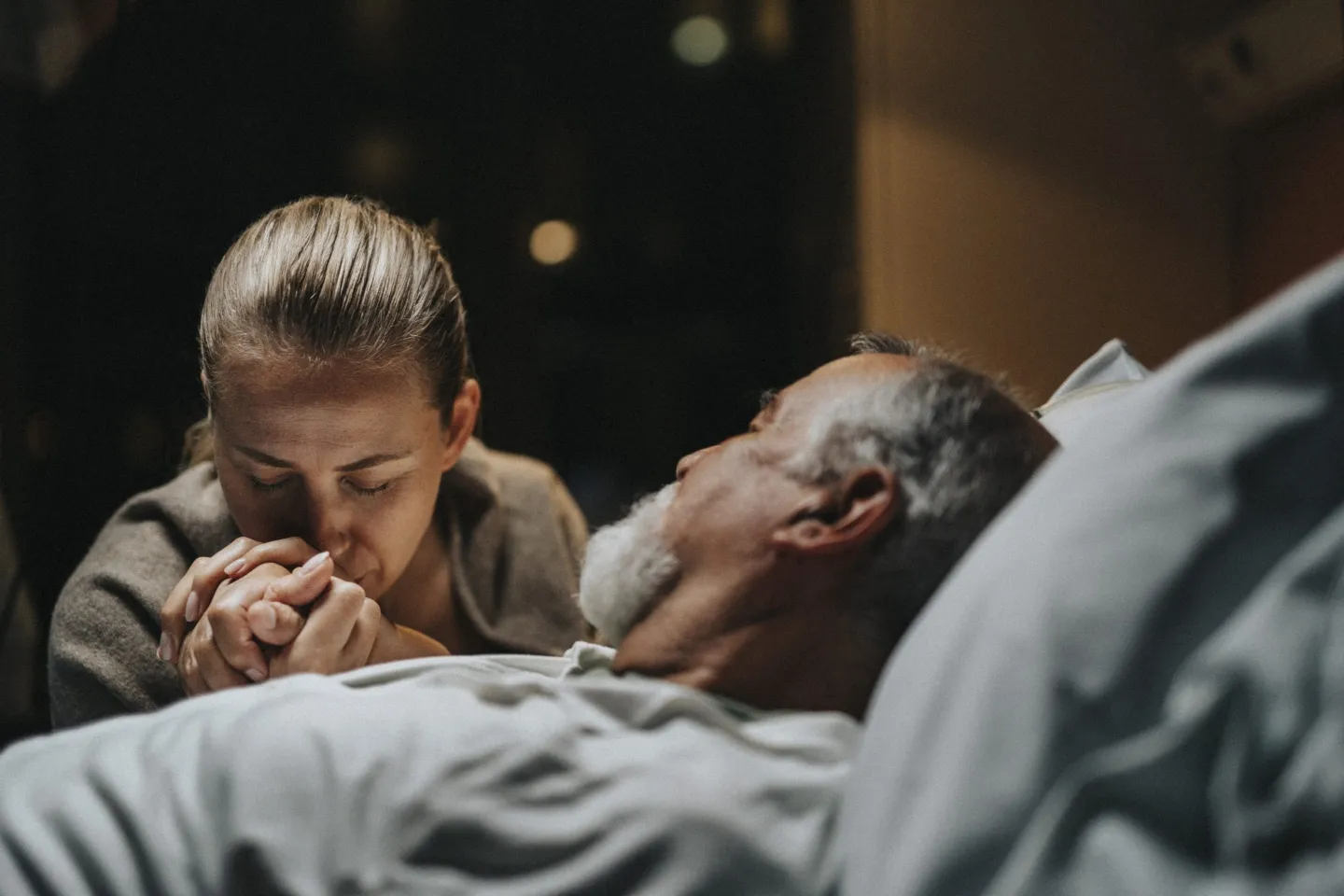
Also known as end-of-life doulas, death doulas provide compassionate support before, during and after death. The work can include helping a person talk openly about dying, creating a vigil plan, supporting exhausted caregivers, guiding legacy projects and helping loved ones begin to process grief.
How death doulas support families in final days
The role is intentionally nonmedical. The National End-of-Life Doula Alliance says end-of-life doulas offer nonmedical, nonjudgmental support and guidance, while leaving clinical tasks, medication management and medical advice to licensed professionals.
That boundary is central to the work. A doula may sit vigil through the night, help family members understand what they are seeing, suggest ways to make the room feel peaceful or make sure a dying person’s wishes are honored. The International End of Life Doula Association describes the role as support that can include advance care discussions, end-of-life planning, comfort measures, ritual, respite for caregivers and early grief support.
For many families, the most powerful part is not a task but a presence. A death doula can help relatives slow down, speak honestly, say goodbye and focus on what the dying person wants in the time that remains.
Death doulas do not replace hospice care
Hospice remains the medical and interdisciplinary model for people who choose comfort-focused care near the end of life. Under Medicare hospice coverage rules, a patient generally must be certified as terminally ill, with a life expectancy of six months or less if the illness follows its usual course, and must choose comfort care rather than treatment intended to cure the terminal illness.
Death doulas usually complement that care. Hospice teams may include nurses, physicians, aides, social workers and chaplains; doulas can add time, continuity and nonclinical support for families who feel overwhelmed between visits or unsure how to talk about what is happening.
The need is broad. The 2025 Facts and Figures executive summary from the National Alliance for Care at Home reported that 1.91 million Medicare beneficiaries were enrolled in hospice care for at least one day in 2024, a 4.4% increase from 2023. The same report said 53.1% of Medicare decedents received at least one day of hospice care and were enrolled at the time of death.
A role that has been building for more than a decade
The rise of death doulas did not appear suddenly. In 2014, a Guardian article on practical end-of-life steps introduced readers to the idea of a death doula as someone who helps people face dying more openly and deliberately.
By 2016, The Guardian was profiling death doulas as nonmedical companions working alongside hospice and community care to help people retain control over their final days. In 2018, AARP reported that death doulas were serving patients at home and in hospice while filling emotional and practical gaps during the dying process.
Taken together, that older coverage shows continuity: What once seemed like a niche service has become part of a larger conversation about how families want to experience death, grief and caregiving.
What families should ask before hiring a death doula
Families should be clear-eyed when choosing a doula. The field is still developing, and the American Bar Association notes that no government certification is currently required to become an end-of-life doula and that services are typically paid out of pocket, though some hospice programs may support them through volunteers, donations, grants or scholarships.
Before hiring someone, families should ask about training, experience, fees, availability, references, privacy practices and how the doula communicates with hospice or medical providers. They should also ask what the doula will not do, especially around medication, medical advice, wound care, legal documents and funeral direction.
Why the support can feel dignified
At its best, doula support helps restore a sense of agency at a moment when families can feel powerless. A doula can help organize the room, create a calming rhythm, hold space for faith or nonreligious ritual, record stories, support children or grandchildren, and remind loved ones that silence can be as meaningful as conversation.
The work is not about managing death. It is about helping families meet it with less fear, more preparation and a clearer sense of what matters most. For people facing final days, that support can make death feel less like a medical event and more like a human passage surrounded by dignity, memory and care.


