

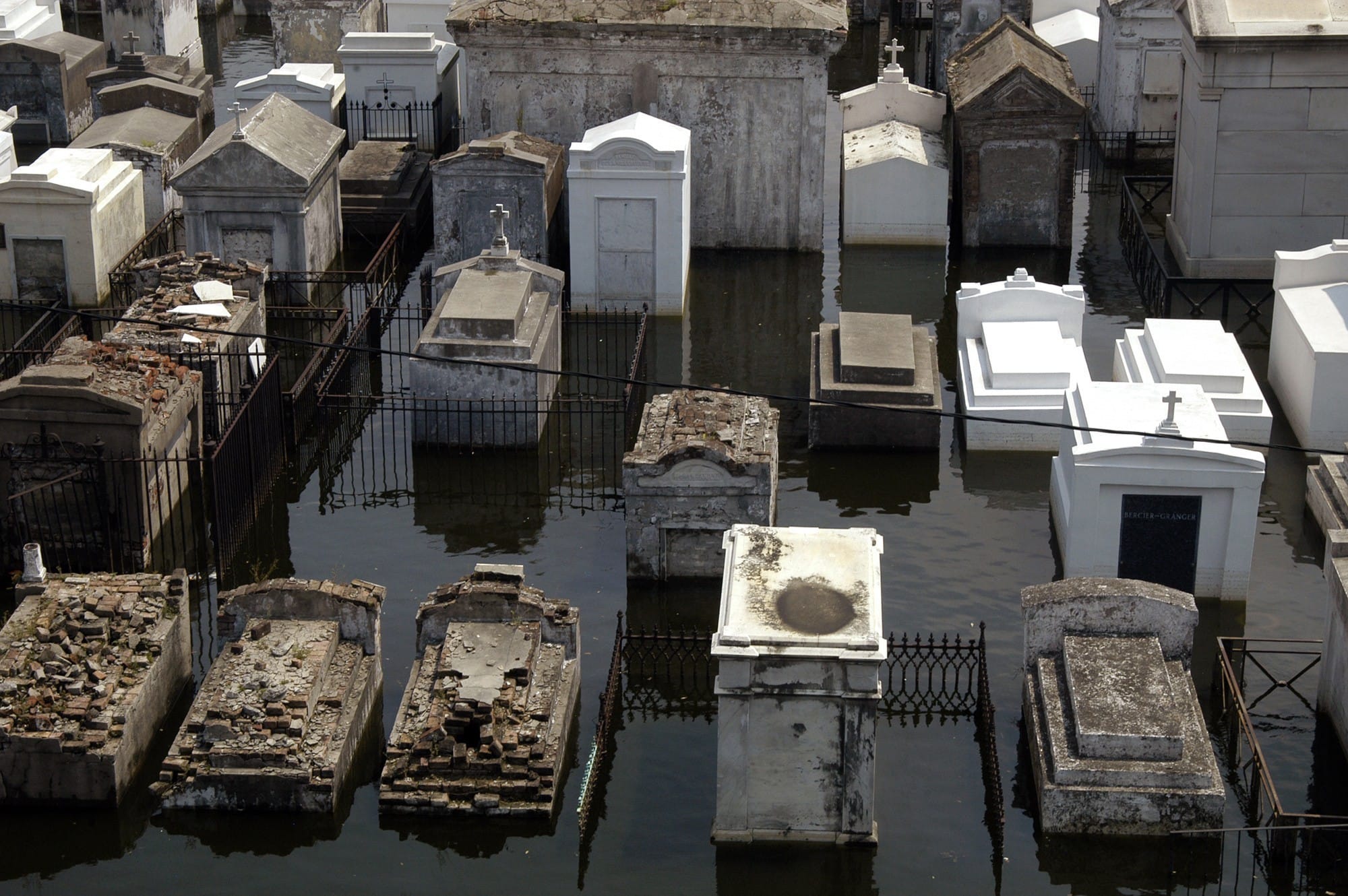
RAWALPINDI: Poor sanitation and unchecked overgrowth in neglected graveyards across Rawalpindi are emerging as a serious public health concern, with stagnant water and dense vegetation creating ideal conditions for mosquitoes and snakes. Authorities and health experts warn that the situation is worsening due to inconsistent maintenance and limited municipal oversight. 2026.
graveyard health hazard: Rising risks in neglected burial sites
Residents living near several older cemeteries in Rawalpindi have raised concerns over accumulating garbage, stagnant rainwater, and uncontrolled weeds inside graveyard boundaries. These conditions are widely recognized as key contributors to vector-borne diseases such as dengue fever and increased encounters with snakes seeking shelter in cool, undisturbed environments.
Public health specialists note that unmanaged burial sites can quickly become breeding grounds for mosquitoes when water collects in uneven terrain, discarded containers, and deteriorating infrastructure.
Dengue threat linked to stagnant water in cemeteries
Health experts emphasize that dengue-carrying mosquitoes thrive in clean, stagnant water commonly found in neglected urban spaces, including graveyards. According to the World Health Organization, dengue has become a rapidly growing global health threat, particularly in densely populated and poorly managed urban areas.
More details on dengue transmission and prevention are available through the World Health Organization’s dengue fact sheet and the Centers for Disease Control and Prevention dengue resource page, both of which highlight environmental sanitation as a key preventive measure.
Snake encounters and hidden wildlife dangers
Alongside mosquito proliferation, overgrown graveyards also provide ideal habitats for snakes and other wildlife. Experts caution that tall grass, debris piles, and minimal human activity increase the likelihood of accidental snake encounters, especially during warmer months.
The World Health Organization classifies snakebite envenoming as a neglected tropical disease, particularly affecting vulnerable populations in South Asia. More information is available in the WHO snakebite envenoming fact sheet.
Long-standing sanitation gaps and urban neglect
The issue of inadequate urban sanitation is not new in South Asian cities, where rapid population growth has often outpaced municipal waste management systems. Environmental health experts argue that graveyards are frequently overlooked in regular cleaning cycles, allowing risks to accumulate over time.
Broader environmental sanitation challenges, including waste disposal and drainage systems, are detailed by global health agencies such as the World Health Organization’s environmental health overview and UNICEF’s water, sanitation, and hygiene program resources at UNICEF WASH initiatives.
Public health response and community concerns
Community members have urged local authorities to implement regular fumigation, drainage clearance, and vegetation control in graveyards. Public health specialists stress that preventive maintenance is significantly more cost-effective than responding to disease outbreaks after they occur.
Without sustained intervention, experts warn that neglected burial sites will continue to pose seasonal risks, particularly during monsoon rains when mosquito breeding conditions intensify.
Conclusion: The growing graveyard health hazard in Rawalpindi underscores the urgent need for coordinated municipal action and public health monitoring to reduce preventable disease risks and wildlife encounters in urban burial sites.


