

Senegal LGBTQ Crackdown intensifies after controversial parliamentary push
Senegal’s crackdown on LGBTQ communities has deepened in recent months following the passage of legislation that significantly increases penalties for same-sex relations, including prison terms of up to 10 years and fines for those accused of “promoting” or “financing” LGBTQ activities. Lawmakers overwhelmingly backed the bill, which was later enacted by President Bassirou Diomaye Faye, reinforcing existing colonial-era statutes that already criminalized same-sex conduct.
Human rights groups warn the legal changes have contributed to a climate of fear, with reports of arrests and heightened public hostility toward LGBTQ individuals. According to coverage from the Washington Post, Senegal’s parliament approved tougher penalties that critics say risk accelerating discrimination and violence, especially as enforcement expands beyond private conduct to include advocacy and association.
Earlier reporting from Washington Post highlighted growing fear among LGBTQ residents as arrests and social pressure increase, with some individuals reportedly going into hiding or fleeing the country to avoid prosecution.
Sonko’s “homosexual tyranny” comments escalate diplomatic tensions
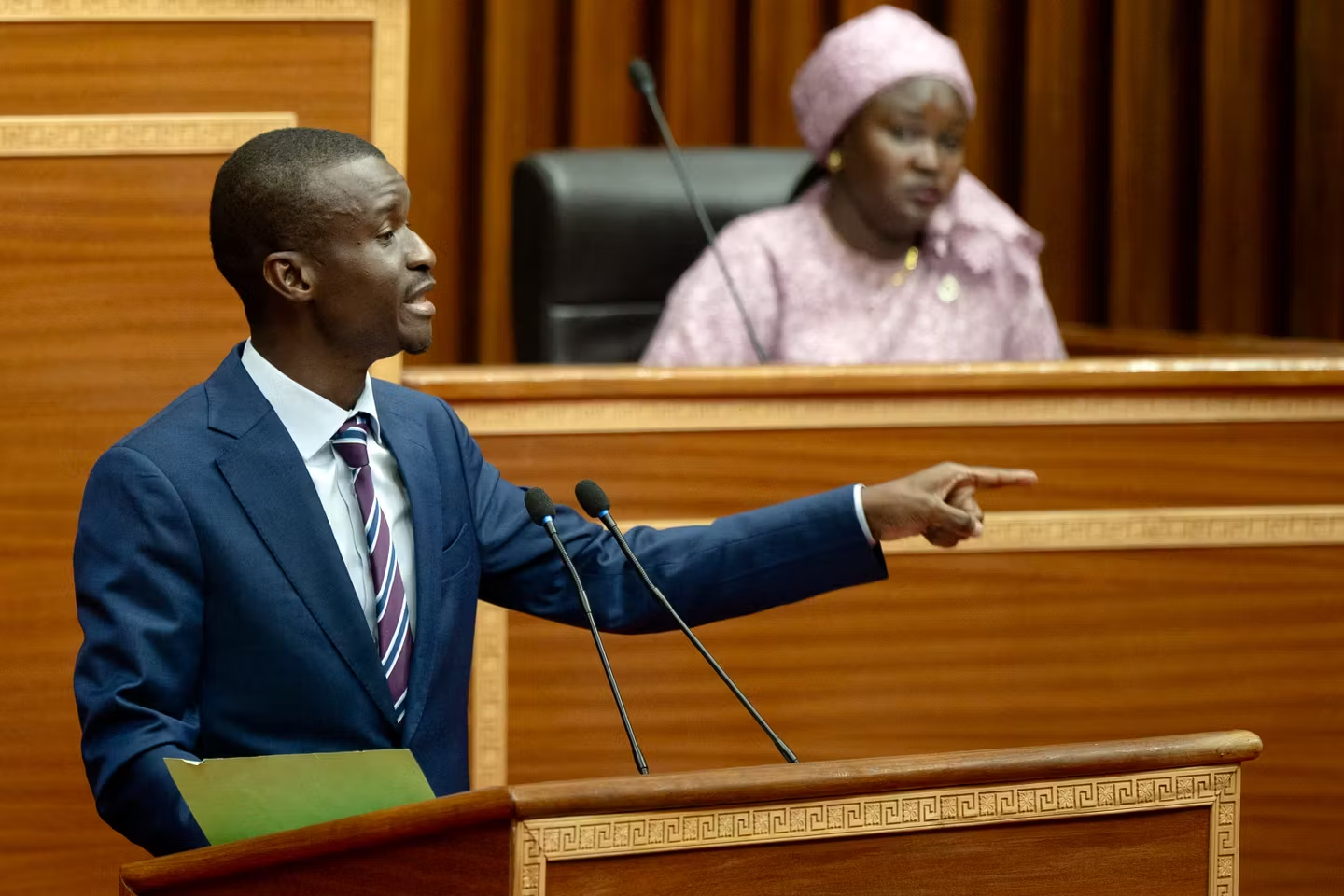
The latest controversy erupted after Sonko described Western advocacy for LGBTQ rights as a “kind of tyranny,” arguing that global powers are attempting to impose homosexuality on Senegal. His comments were delivered during a parliamentary address defending the government’s legal reforms.
International observers and rights advocates have sharply criticized the rhetoric, arguing it legitimizes discrimination and emboldens further crackdowns. Sonko’s remarks align with earlier statements he has made opposing LGBTQ rights, a position that has become increasingly central to his political identity.
Reporting from Al Jazeera documented Sonko’s defense of the crackdown and his accusation that the West seeks to impose homosexuality globally, while also noting that arrests and prosecutions have risen under the new law.
Similarly, Africanews reported that Sonko rejected international criticism and defended Senegal’s legislative approach, emphasizing a broader political narrative that frames LGBTQ rights as foreign interference rather than domestic civil rights issues.
Senegal LGBTQ crackdown reflects broader regional trend
Analysts say Senegal’s approach reflects a wider trend across parts of Africa where governments have adopted harsher penalties targeting LGBTQ communities, often amid rising political rhetoric tied to cultural sovereignty and anti-Western sentiment.
In Senegal, homosexuality remains criminalized under longstanding legal provisions, but recent amendments have intensified penalties and expanded enforcement mechanisms. Critics argue this shift represents not only a legal crackdown but also a social one, where stigma is reinforced through political messaging.
A detailed analysis by Le Monde warned that the crackdown has been accompanied by forced confessions, intimidation, and increased vulnerability for LGBTQ communities, describing the situation as part of a broader pattern of institutional repression.
At the same time, supporters of the legislation argue it reflects Senegalese cultural and religious values, a narrative increasingly echoed by government officials as tensions with Western governments and human rights groups intensify.
International backlash and uncertain political future
The fallout from Sonko’s remarks continues to reverberate across diplomatic and human rights circles, with growing calls for Senegal to reconsider its legal framework and uphold international human rights obligations. United Nations officials have previously warned that the legislation could lead to widespread discrimination, arbitrary arrests, and reduced access to healthcare services for marginalized groups.
As Senegal navigates political tensions, economic pressures, and international scrutiny, the LGBTQ crackdown has become a defining flashpoint in the country’s evolving political identity—one that increasingly pits domestic sovereignty claims against global human rights expectations.


