

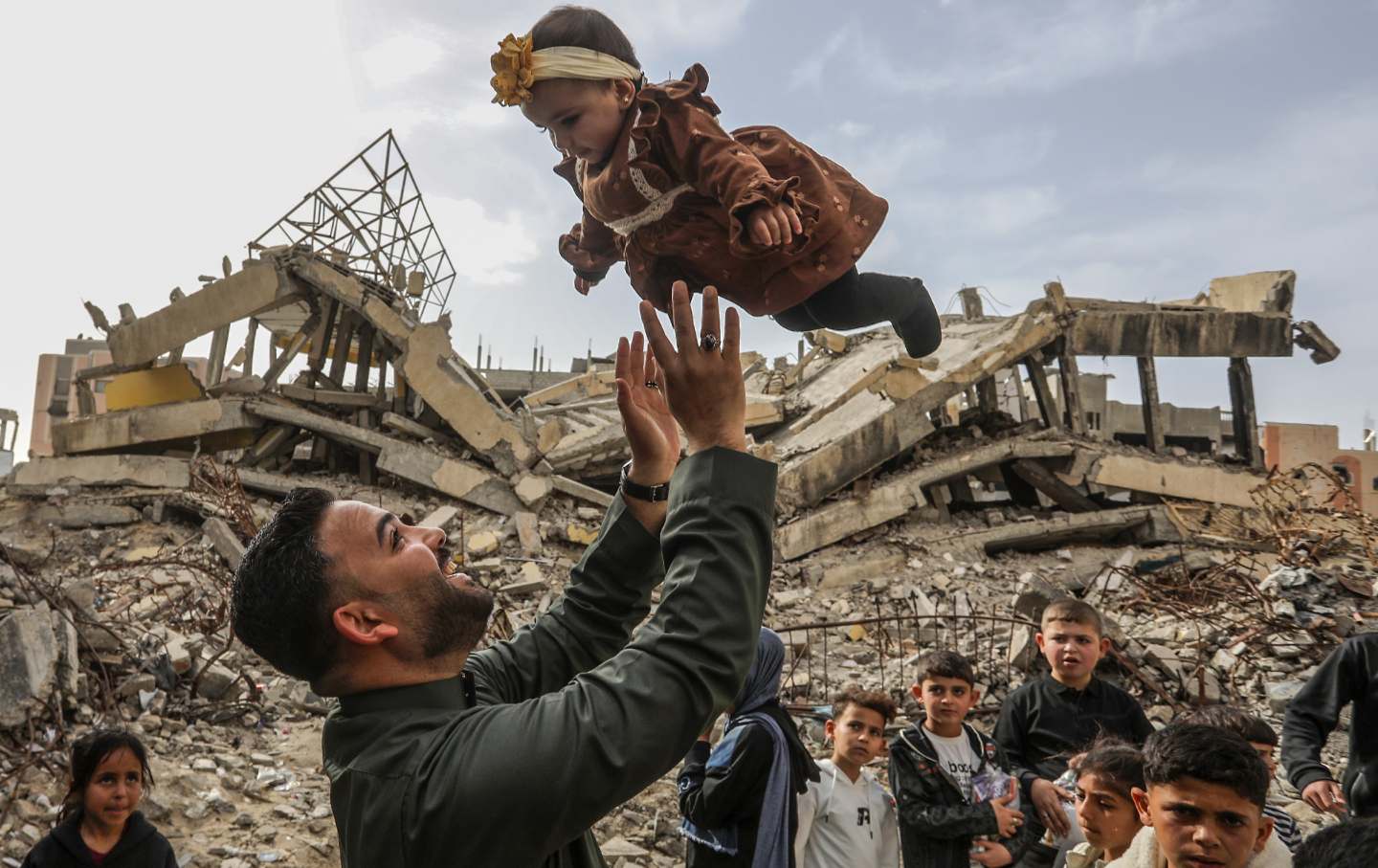
Gaza City — As Eid celebrations unfold under the shadow of ongoing destruction and humanitarian strain in Gaza, residents are turning moments of cultural and spiritual gathering into acts of resilience, framing joy itself as a form of endurance amid war-time hardship, June 1, 2026.
Despite severe shortages, displacement, and continued insecurity, communities across Gaza are marking Eid with limited resources but strong symbolism, emphasizing unity, survival, and cultural continuity in the face of prolonged conflict.
Gaza Eid resistance and the symbolism of celebration under fire
In neighborhoods heavily affected by infrastructure damage, Eid prayers and small communal gatherings have taken on deeper meaning. Residents describe the holiday as both a spiritual observance and a quiet assertion of identity, with families sharing food, repairing traditions, and supporting one another despite restricted movement and scarce supplies.
Local voices and humanitarian observers note that these celebrations reflect a broader pattern in Gaza where cultural and religious holidays become acts of psychological and communal resistance, reinforcing social bonds under extreme pressure.
Reports over the past year have documented how civilian life continues to adapt during periods of escalation, with aid agencies repeatedly warning about the long-term humanitarian toll.
(See broader context in ongoing coverage by BBC News Gaza reporting.)
Life, memory, and continuity amid crisis
Even as conditions remain difficult, Eid traditions such as visiting relatives, sharing meals, and wearing festive clothing persist in modified forms. In many areas, these practices are scaled down but not abandoned, reflecting what some residents describe as an effort to preserve normalcy in abnormal circumstances.
Humanitarian organizations have previously highlighted similar dynamics during earlier phases of the conflict, noting that cultural observance often becomes a stabilizing force for communities facing prolonged instability. Historical reporting from Al Jazeera’s Gaza coverage has documented how religious holidays repeatedly intersect with periods of escalation and recovery.
Historical context of Gaza’s endurance through past Eid periods
Past conflicts have similarly shaped how Eid is observed in Gaza. During earlier escalations, families often gathered in damaged homes or temporary shelters, using shared meals and prayer as both comfort and continuity.
International coverage has long noted this recurring pattern of resilience. For example, reporting by Reuters Middle East coverage has tracked how civilian life adapts during repeated cycles of conflict and ceasefire, particularly during major religious holidays.
Similarly, analysis from The Guardian’s Gaza reporting has examined how cultural identity and collective memory persist despite prolonged instability, often becoming central to community survival narratives.
Earlier historical context also appears in long-term reporting such as The New York Times coverage, which has documented the evolving humanitarian and political conditions shaping daily life in the region.
Joy as endurance, not escape
For many families, Eid this year is less about celebration in the traditional sense and more about continuity. Community members describe gathering not as a retreat from hardship but as a reaffirmation that cultural life continues even under extreme pressure.
Observers say this framing—joy as endurance rather than escape—has become increasingly visible in Gaza’s public life during periods of sustained crisis, reinforcing how identity and tradition remain central to communal resilience.
Conclusion
As Gaza continues to face deep humanitarian challenges, Eid celebrations—though subdued—underscore a recurring theme of persistence. In the absence of normalcy, residents are preserving meaning through tradition, turning cultural observance into a quiet but powerful expression of endurance.


