

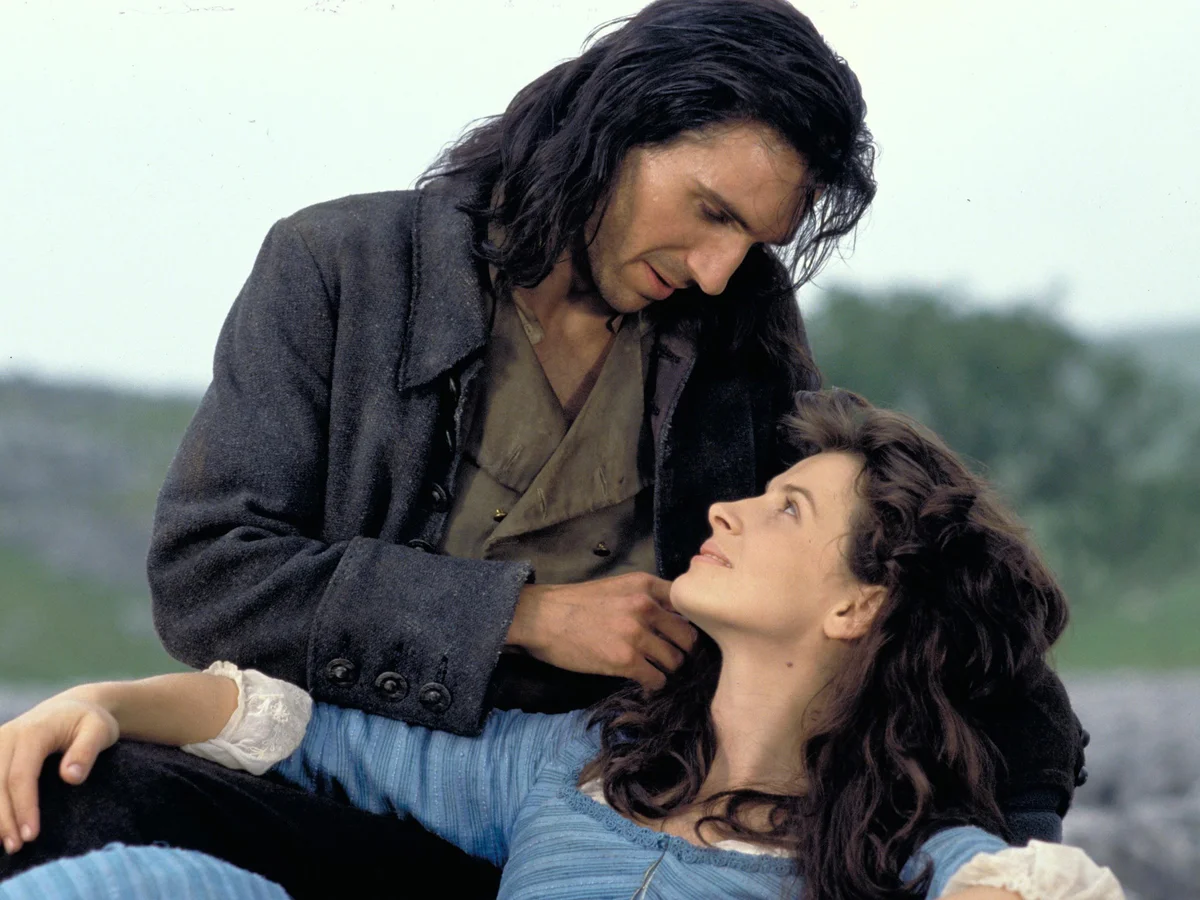
LONDON — The casting of Jacob Elordi has sparked backlash over the upcoming Wuthering Heights adaptation by Emerald Fennell, with angry accusations of “whitewashing” dominating social media as the gothic romance inches closer to a Valentine’s weekend 2026 release date. Its critics allege that Heathcliff has always been read as a dark-skinned interloper in Emily Brontë’s novel; Fennell says her film is an explicitly “primal”, sexed-up reading rather than a literal illustration of the text: the debate isn’t cooling down any time soon, Nov. 25, 2025.
Wuthering Heights’ backlash face grows online
Warner Bros.’ revelation of the system, made public in 2024, was an unexpected surprise. Drama is Fennell’s third feature, following “Promising Young Woman” and “Saltburn,” which will team Margot Robbie as Catherine Earnshaw with Elordi as Heathcliff in a Yorkshire-based epic that, according to Entertainment Weekly, has been positioned as bold Valentine’s counterprogramming. Early teasers and one steamy first trailer (windswept moors, fevered embraces, Charli XCX’s original songs) have only ramped up scrutiny on who gets to play Brontë’s famously tormented lovers.
A lot of the criticism, predictably, has focused on Elordi’s race and age. Last month, Harper’s Bazaar compiled objections from fans, noting that casting a white, 27-year-old Australian actress in the role of a character described in the book as “dark-skinned” erases generations of nonwhite interpretations of Heathcliff and sidelines performers of color trying out for one of the few rare, complex romantic leads. Racism and xenophobia are part of the foundation, not just decorative period detail, according to essays posted online and TikTok explainers.
That disquiet has been carried through at least the marketing cycle. A test screening in Dallas this summer prompted “aggressively provocative” and “tonally abrasive” responses, causing some viewers to wonder if the movie’s depiction of graphic violence and stylized sexuality threatened to overshadow its look at class and race, according to coverage in the British press.
Emerald Fennell says her Wuthering Heights is ‘primal,’ not literal
Fennell has fiercely denied the charge of whitewashing. Speaking with People, the Oscar winner explained that she cast Elordi because he “looked exactly like the drawing of Heathcliff” in the dog-eared copy with which her obsession began, and marveled at both leads for imbuing what she described as almost “godlike” charisma and volatility into the story.
In her own conversation with Deadline, Fennell billed her Wuthering Heights as “primal” and “sexual,” and claimed that Brontë’s original is already awash in sadomasochistic obsession that modern readers have been conditioned to downplay. She has encouraged audiences to watch the film before criticising her casting, arguing that Elordi’s performance conveys Heathcliff’s feral anger and wounded vulnerability, even if his skin tone did not match how some readers imagined him.
A history of Wuthering Heights casting battles
The uproar also taps into a larger debate about who Heathcliff should be allowed to be. Brontë’s novel famously refers to him as a “dark-skinned gypsy in aspect and a little lascar,” language that many scholars and fans have interpreted as suggesting he reads as racially other, possibly of Romani or African descent. Recent remarks from the Brontë Parsonage Museum have even fanned speculation that Heathcliff may be Black, and yet that exemption remains at the work’s core.
That history has sometimes influenced its casting decisions. In advance of the 2011 film adaptation by Andrea Arnold, a much-talked-about Guardian report celebrated unknown Leeds actor James Howson as the first Black Heathcliff, and a follow-up feature in The Christian Science Monitor praised his casting for recasting the story’s violence and social exclusion.
Fans pointing to those prior choices argue that casting Heathcliff back with a white actor in such a high-profile Wuthering Heights risks regressing on the rare sight of gothic representation it offers. Others argue that the character’s ethnicity is intentionally nebulous, and that performance – not phenotype – should determine who gets to play the role, echoing long-running discussions within Brontë scholarship and fandom about what his “otherness” even means.
What the debate says about Wuthering Heights
The stakes are high for Warner Bros. The studio has already bankrolled Fennell as a provocateur auteur, and everywhere from Harper’s Bazaar to Entertainment Weekly has already positioned Wuthering Heights as one of the most dissected releases of 2026, whether for its unapologetic eroticism or its thorny politics about race and age. Early trailers featuring Charli XCX’s original songs and lush VistaVision-shot images of the Yorkshire moors suggest the marketing campaign will lean into rather than shy away from that intensity.
Whether audiences come to accept or reject Fennell’s Wuthering Heights, the casting firestorm has already resuscitated a perennial question about who gets to occupy the center of classic stories. And in the minds of many readers and viewers, to abstract from this novel about moors and mills, feuds and furies, frustrated ambition and toxic love, the question of Heathcliff’s face on screen is to separate it from its longevity as an unsettling examination of race, class, and desire — a tempest that in nearly two centuries has not blown itself out.


