
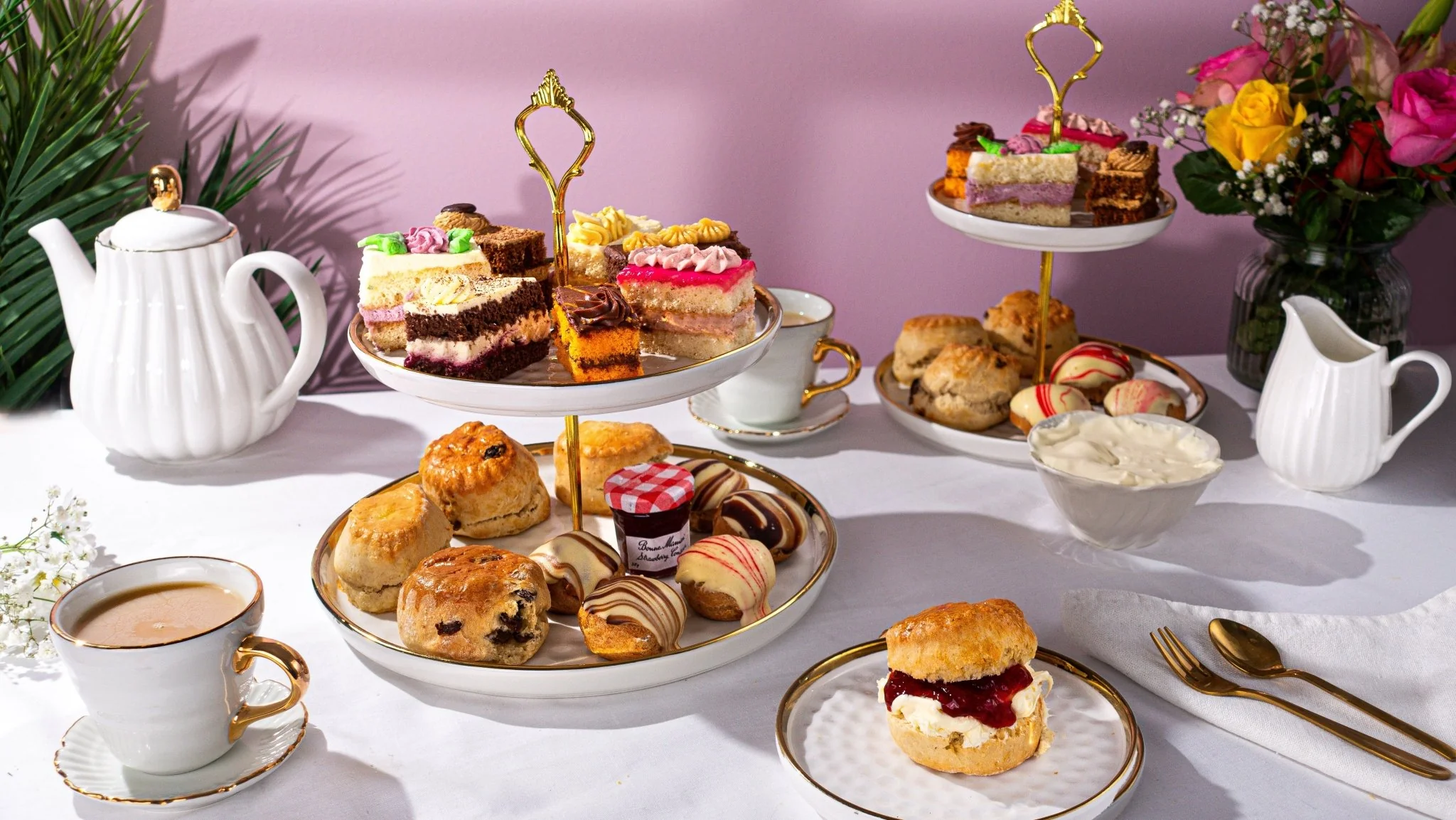
Booked “high tea” expecting tiered trays of cucumber sandwiches and pastries? Or dressed up for frills and got something closer to supper? The mix-up is so common it has become its own travel trap. Here’s the brisk, confidence-boosting guide to high tea vs afternoon tea — what the terms really mean, how the ritual started and what to order so you look like you belong.
High tea vs afternoon tea: the difference in one minute
Afternoon tea (often called “low tea”) is a midafternoon treat: a pot of tea plus finger sandwiches, warm scones with jam and clotted cream, then sweets. It’s meant for nibbling and lingering, not replacing dinner.
High tea is the surprise: historically, it’s the sturdier, early evening meal served at a dining table. The Britannica Dictionary definition of high tea calls it an early evening meal served with tea and often cold meat and sandwiches — closer to “tea as dinner” than “tea as a party.”
Bottom line: in high tea vs afternoon tea, timing and menu matter more than how fancy the room looks.
High tea vs afternoon tea: a quick origin story
Afternoon tea is usually linked to the 1800s, when dinners shifted later and wealthy households wanted a midafternoon bridge. The British Museum’s take on Victorian afternoon tea credits Anna Maria Russell, the seventh Duchess of Bedford, with popularizing the habit around 1840.
The lore is helpful, but not airtight. A 2017 Time magazine explainer argues the ritual evolved gradually — alongside a separate, working-class tradition of a more substantial after-work “tea,” later nicknamed high tea.
Etiquette and what to order
Think “savory to sweet,” and you’ll rarely go wrong. Debrett’s etiquette advice is classic: sandwiches first, then scones, then cakes, and break (don’t cut) the scone. No pinky performance required. Start with Debrett’s guide to time for tea if you want the traditional rules in plain English.
Sandwiches: cucumber, egg, smoked salmon or ham-style fillings, kept small and neat.
Scones: warm if possible, served with jam and clotted cream.
Sweets: pastries, petits fours or small cakes — the “finish strong” tier.
Tea picks: English breakfast, Assam or Earl Grey for savory bites; Darjeeling for dessert.
And yes, the jam-or-cream question can turn into a regional brawl. For the short version (Devon vs. Cornwall, cream first vs. jam first), see Serious Eats’ deep dive on the cream tea debate. When in doubt, follow the house style and keep eating.
Ordering tips: avoid the “high tea” bait-and-switch
The confusion isn’t new. In 2011, a Los Angeles Times readers’ representative column took aim at “high tea” being used when “afternoon tea” was meant. Before you book, ask what’s actually on the stand.
Hot, savory plate or main? That leans high tea.
Three-tier tray of sandwiches, scones and sweets? That’s afternoon tea.
Seating time: midafternoon points to afternoon tea; early evening suggests high tea.
Once you know what you’re ordering, the whole high tea vs afternoon tea debate becomes a simple choice: a light social ritual, or a hearty meal with a pot of tea. Either way, enjoy the ceremony — and don’t rush the scones.