

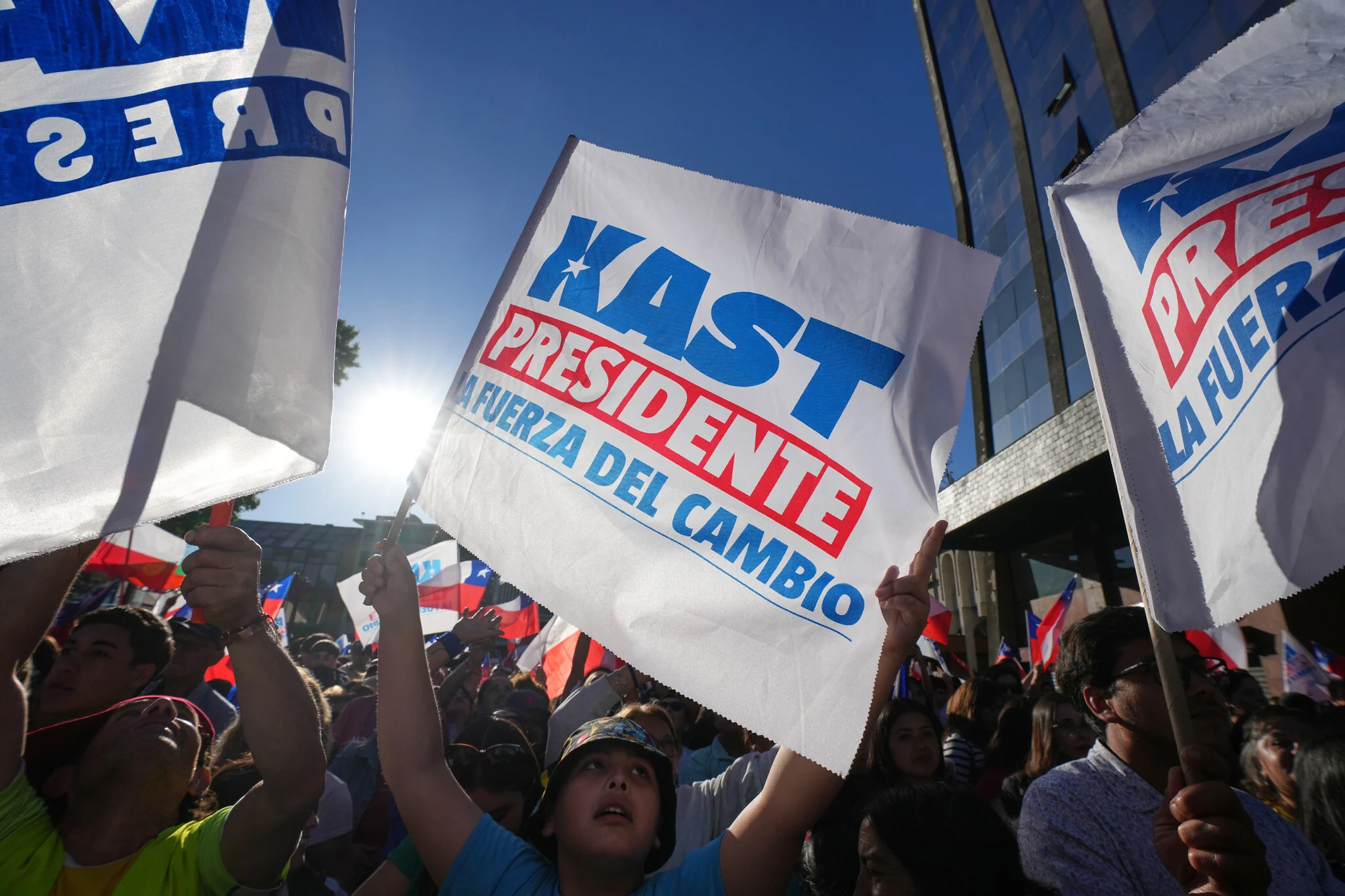
SANTIAGO, Chile — Chileans voted Sunday in a high-stakes presidential runoff between hard-right José Antonio Kast and leftist Jeannette Jara, with late surveys putting Kast ahead and raising the prospect of the country’s sharpest rightward shift since the end of military rule in 1990. The Chile election has become a straight-ahead referendum on security, migration and the direction of a fragile economy, Dec. 14, 2025.
Chile election runoff: the numbers behind Kast’s late edge
Roughly 15.6 million registered voters were eligible to cast ballots under compulsory voting rules that include fines for nonparticipation, according to Reuters’ reporting from Santiago. Chile’s election authority also stressed the mechanics of the day — including polling hours of 8 a.m. to 6 p.m. local time — in Servel’s key dates for the runoff.
The runoff was triggered after no one cleared 50% in November’s first round. Jara led with 26.85% and Kast followed with 23.92%, leaving the race to be decided by where the votes of eliminated candidates go — and who actually shows up.
Tracking surveys through early December, the Americas Society/Council of the Americas poll tracker shows Kast holding roughly a double-digit advantage. But the Chile election is not risk-free: Reuters cited polling indicating about 20% of voters remained undecided or signaled they could submit blank ballots, a protest option that can scramble expectations even if it doesn’t change who wins.
Chile election stakes: security first vs. social protection
Crime and irregular migration have dominated this Chile election, pushing both campaigns into a tougher posture. Kast has promised a hard-line crackdown and tighter border controls, pitching himself as the candidate of order and growth. Jara, a former labor minister backed by the governing coalition and the Communist Party, has argued that enforcement needs to be paired with jobs, pensions and social programs — and that panic politics can deepen division.
What a Kast presidency could deliver quickly may depend on congressional math. The Associated Press noted that his Republican Party lacks a majority, which could force negotiations and curb the most sweeping promises — including mass deportations and expanded military involvement in fighting crime — as outlined in AP’s preview of the vote. Investors have also watched for signals that a more market-friendly government could accelerate reforms such as deregulation and pension changes.
For voters, the choice is also symbolic: after years of upheaval, fatigue with traditional parties and disappointment with broken promises, the Chile election is testing whether fear or hope is the more powerful motivator — and whether the center can still hold.
Flashback: how Chile got here
In 2021, President Gabriel Boric defeated Kast in a runoff that rode the post-protest wave, The Guardian reported.
In 2022, Boric was sworn in amid expectations of sweeping reforms, Al Jazeera wrote.
In 2023, voters rejected a conservative constitutional draft in a second plebiscite attempt, PBS NewsHour covered.
Servel has urged voters to rely on official information during the Chile election and directed the public to its Elecciones 2025 portal for guidance as results come in.


