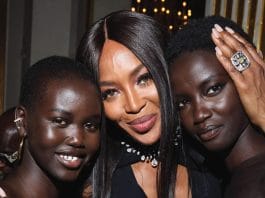
NEW YORK — Rama Duwaji, the new first lady of New York City, set off a fashion-and-politics flashpoint after stepping out in borrowed and rented designer pieces during Mayor Zohran Mamdani’s inauguration ceremonies, drawing online criticism over cost and optics, Jan. 14, 2026.
The scrutiny centered on what Duwaji wore, and how she got it: a vintage Balenciaga coat sourced through a fashion library, plus lace-up boots that retail for $630, according to multiple fashion outlets that tracked the looks and the styling credits. Supporters countered that the point was the opposite of conspicuous consumption — a public embrace of “borrowing” culture, and a signal that luxury labels don’t have to mean luxury spending.
Rama Duwaji and the borrowed-look backlash
Duwaji appeared alongside Mamdani for a private, midnight swearing-in and a public ceremony later the same day. Accounts of the midnight look described a borrowed vintage Balenciaga coat from Albright Fashion Library paired with tailored shorts and Miista boots; the daytime look highlighted a custom coat-dress by Renaissance Renaissance designer Cynthia Merhej. In both settings, Duwaji’s styling leaned into winter minimalism — and into a paper trail of “on loan,” “borrowed,” and “rented” descriptors that became part of the story.
Fashion coverage framed that transparency as strategic. In one account, Duwaji’s stylist noted that the boots were borrowed from the brand, not purchased — a detail presented as a pre-emptive answer to critics who argued the look clashed with Mamdani’s left-leaning message. Readouts of the outfits and sourcing appeared in Vogue’s report on the “politics of borrowing”, Vanity Fair’s inauguration “fit-check”, and Marie Claire’s look-by-look breakdown.
A new public role, and a familiar debate
Rama Duwaji is not a career politician. Profiles have described her as a Syrian American artist and illustrator who has largely kept the focus on her work while backing Mamdani’s rise. ABC News’ biographical profile noted that she was born in Texas, lived in Dubai as a child, and later moved to New York City, where she earned a master’s degree in fine arts.
But the “first lady” spotlight can turn wardrobe into shorthand — fairly or not — for values, class, and message discipline. The current wave of debate echoes older moments when political spouses (and candidates) learned that clothes can be read as a statement even when the wearer insists otherwise: Sarah Palin faced months of questions in 2008 over a reported clothing budget, as detailed in The Guardian’s account of the controversy. In 2018, Melania Trump’s jacket message overtook her border visit, a dynamic dissected in The New Yorker’s analysis. And long before social media “fit checks,” Reuters captured the early Obama-era fascination with first-lady fashion as a cultural force in a 2009 dispatch from New York Fashion Week.
From runway talk to city life
The debate over Rama Duwaji’s wardrobe has unfolded as she and Mamdani settle into public life at Gracie Mansion, a move the mayor has described as driven in part by security needs. The Associated Press reported that the couple recently left their Queens apartment for the official residence.
Whether the attention fades will depend on what comes next — and whether Rama Duwaji keeps treating “borrowed” as both a wardrobe method and a message. For now, the blowback has also clarified the moment: in New York City’s newest political era, first-lady style is not just about labels — it’s about receipts, sourcing, and the story a public figure chooses to tell.