KARACHI, Pakistan — Pakistan’s benchmark KSE-100 index jumped 14,137.55 points to close at 165,811 on Wednesday, April 8, 2026, as investors welcomed a Pakistan-brokered two-week ceasefire between the United States and Iran that eased fears of a wider regional shock and a prolonged squeeze on energy supplies.
On the exchange, the move was broad-based rather than narrow. The PSX Data Portal showed the KSE-100 touching an intraday high of 165,924.13 after Tuesday’s close of 151,673.45, while the official market summary showed 448 advancing stocks against just 16 decliners, with 1.245 billion shares traded across the exchange.
Why the PSX rally was so sharp
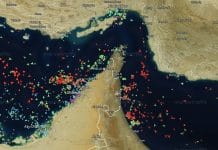
The spark was geopolitical. A two-week ceasefire brokered by Pakistan halted the immediate slide toward a wider U.S.-Iran confrontation and raised hopes that the Strait of Hormuz would reopen ahead of talks planned in Islamabad. For a market that had been bracing for higher imported inflation, weaker sentiment and a fresh external shock, that was enough to trigger a violent repricing.
The relief spread quickly beyond Karachi. Oil fell below $100 a barrel, puncturing the war premium that had built up in crude, while a broader Gulf equities rally showed that investors across the region were unwinding defensive positions at the same time.
That combination matters more in Pakistan than in many larger markets. Lower oil reduces pressure on the import bill, tempers inflation fears and gives investors room to look back at domestic fundamentals instead of pricing every headline as a balance-of-payments threat.
PSX relief rally in context
Wednesday’s surge also capped a stretch of unusually headline-driven trading. Pakistan had already absorbed a sharp fuel-price increase earlier this month as Middle East conflict pushed oil higher. Zooming out, the KSE-100 had jumped to a then-record after a $7 billion IMF bailout approval in September 2024, then suffered a 6.7% slide and trading halt in May 2025 during India-Pakistan tensions before staging a 9.4% relief rally after a border truce days later.
That history helps explain the scale of Wednesday’s move. PSX has not been trading only on earnings, rates and valuations; it has also been trading on event risk, imported inflation and Pakistan’s exposure to external financing conditions. When the geopolitical pressure lifted, even temporarily, buyers moved fast.
Still, the rally does not settle the bigger question. The ceasefire is fragile, the path to reopening Hormuz remains tied to further negotiations, and any breakdown in talks could quickly put oil, inflation expectations and Pakistani risk assets back under pressure.
For now, however, the message from Karachi is clear: the market had been priced for disruption, and even a conditional path to de-escalation was enough to unleash a powerful snapback.