

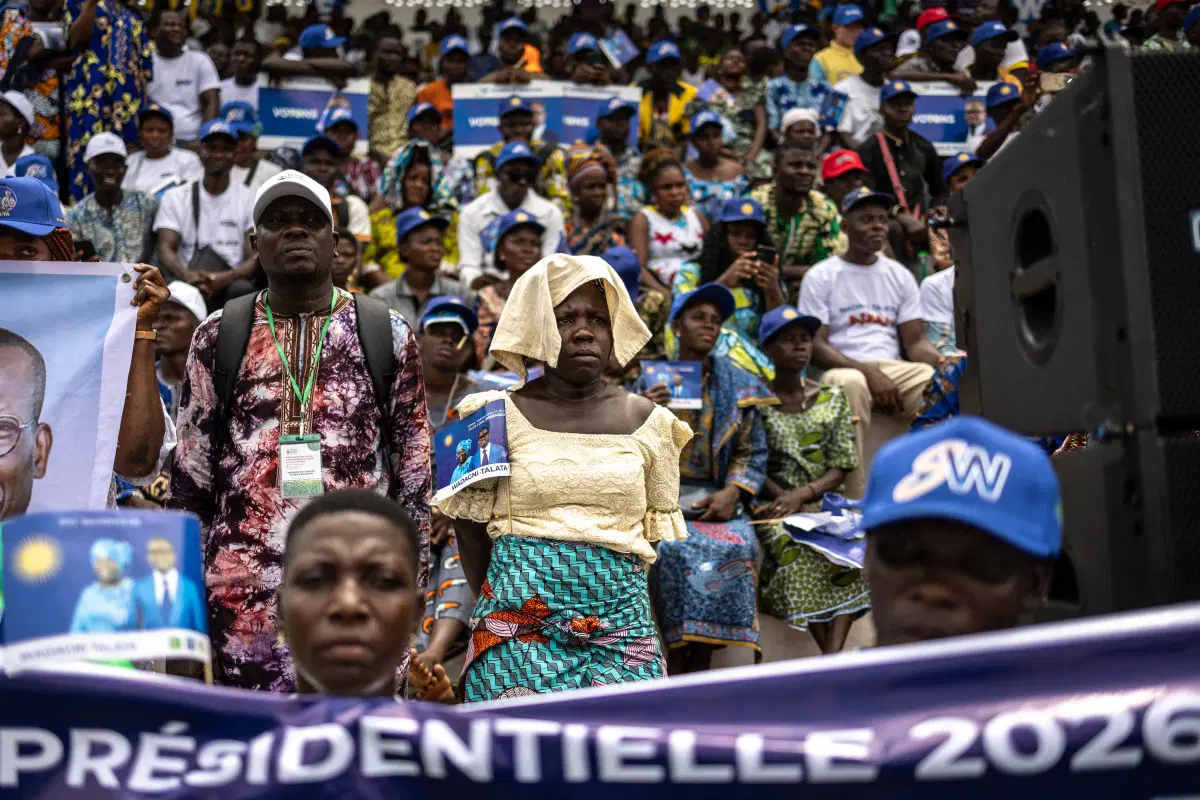
Ballots were still being processed after counting in Cotonou began late Sunday and provisional results were set for Tuesday, keeping the country in suspense over whether Wadagni can convert his frontrunner status into an outright first-round victory or force a runoff.
The scale of the vote underscored the stakes. According to AP’s reporting from polling day, nearly 8 million voters were registered across more than 17,000 polling stations, though turnout appeared softer in parts of urban Cotonou after a campaign that unfolded without a strong opposition challenge.
Benin presidential election count tests turnout, succession and security
Wadagni has campaigned on continuity rather than rupture. In a Reuters profile ahead of the vote, the 49-year-old former Deloitte executive was described as the steward of Talon-era budget expansion, infrastructure spending and some of Benin’s strongest growth rates in more than two decades.
Yet the next president will inherit more than an economic story. Security has become one of the race’s defining issues after Wadagni promised municipal police forces in northern border towns and deeper regional cooperation to counter militant spillover from the Sahel. The pressure intensified last month, when Benin’s army said an attack in the north killed 15 soldiers and wounded five others, another reminder that the country’s security crisis is no longer peripheral to national politics.
How the field narrowed before voting day
The current contest also reflects a political landscape that tightened over time. In the 2023 legislative vote, an opposition party returned to parliament after earlier boycotts and exclusions, restoring opposition representation in the assembly.
That opening narrowed again when lawmakers approved a constitutional reform in November 2025 extending presidential and legislative terms from five to seven years and creating a Senate. The two-term limit remained in place, but critics argued the redesign could preserve Talon’s influence beyond his formal departure.
Then, in January’s parliamentary election, the main opposition party failed to clear the 20% threshold required for representation, leaving Talon-aligned parties with every seat in the National Assembly and making the presidential race look even less competitive before the first ballot was cast.
Hounkpè has tried to capitalize on discontent over inequality and the shrinking room for opposition politics, arguing that headline growth has not translated into relief for ordinary households. But with the governing coalition united behind Wadagni and much of the broader opposition fragmented or sidelined, turnout and the size of the winning margin are being closely watched alongside the result itself.
If no candidate clears 50% of the vote, a runoff is scheduled for May 10. Whether the election ends in one round or two, Benin’s next president will inherit solid growth, rising insecurity in the north and renewed scrutiny over how much room remains for dissent in a closely watched political transition.


