GAZA CITY, Gaza Strip — Mohammed Lubbad, a 35-year-old father from northern Gaza, is demanding a DNA test after the return of toddlers evacuated to Egypt in 2023 reopened a dispute over whether one of the children is the son he says was delivered after his wife, Amal, was critically wounded and later died during the war. The case has become harder to resolve because wartime transfers, missing hospital records and the collapse of Gaza’s forensic capacity left one surviving child at the center of rival claims by two families, April 18.
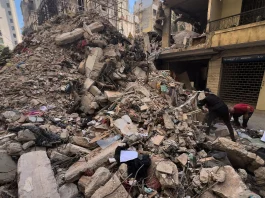
According to Al Jazeera’s report on Lubbad’s case, he was pulled from the rubble after an Oct. 13, 2023, strike on his home in Beit Lahiya. One daughter survived, another was killed, and he later received conflicting accounts about Amal, who was eight months pregnant. He says hospital staff first told him a healthy boy had been delivered by cesarean section, then later said Amal had been transferred to al-Shifa Hospital and died from her wounds on Oct. 22.
Why the Gaza father DNA test now matters more
The dispute sharpened again when the evacuated children returned to Gaza on March 31. Reuters reported on the reunions that 11 children, now toddlers, were brought back to their families as part of a U.N.-organized mission after more than two years of separation. For most families, the moment closed a painful chapter. For Lubbad, it reopened one.
Lubbad told reporters he went to Nasser Hospital in Khan Younis to see the child he believes may be his son, only to find that another family was claiming the same boy. Gaza investigators said the child wore an identification bracelet linking him to that family, but they also said the loss of records at Kamal Adwan Hospital and the absence of scientific proof meant the registration could not be treated as final. Lubbad has said he is prepared to accept any result as long as the answer is definitive.
UNICEF said 11 toddlers were reunited with parents and caregivers at Nasser Hospital after verification procedures, and noted that six of the children had not been held by a parent since birth. That broader reunification effort underscores why Lubbad’s case stands out: the same operation that restored certainty for other families has left his still waiting for proof.
How the dispute grew out of a wartime neonatal evacuation
The roots of the case stretch back to the days when incubators at al-Shifa were failing and newborns were being moved under fire. In a Nov. 19, 2023, Reuters report on the evacuation from al-Shifa, ambulance crews working with the Palestinian Red Crescent, the World Health Organization and U.N. agencies removed 31 premature babies from the hospital. The transfer became one of the most recognizable medical emergencies of the early war.
By the next day, Reuters reported from Egypt on newborns taken across the border for urgent treatment, showing how quickly families could be separated from children who were moved for survival. In Lubbad’s case, that mix of emergency medicine, rushed transfers and incomplete documentation appears to have created the uncertainty that still defines his search.
Gaza father DNA test blocked by destroyed labs
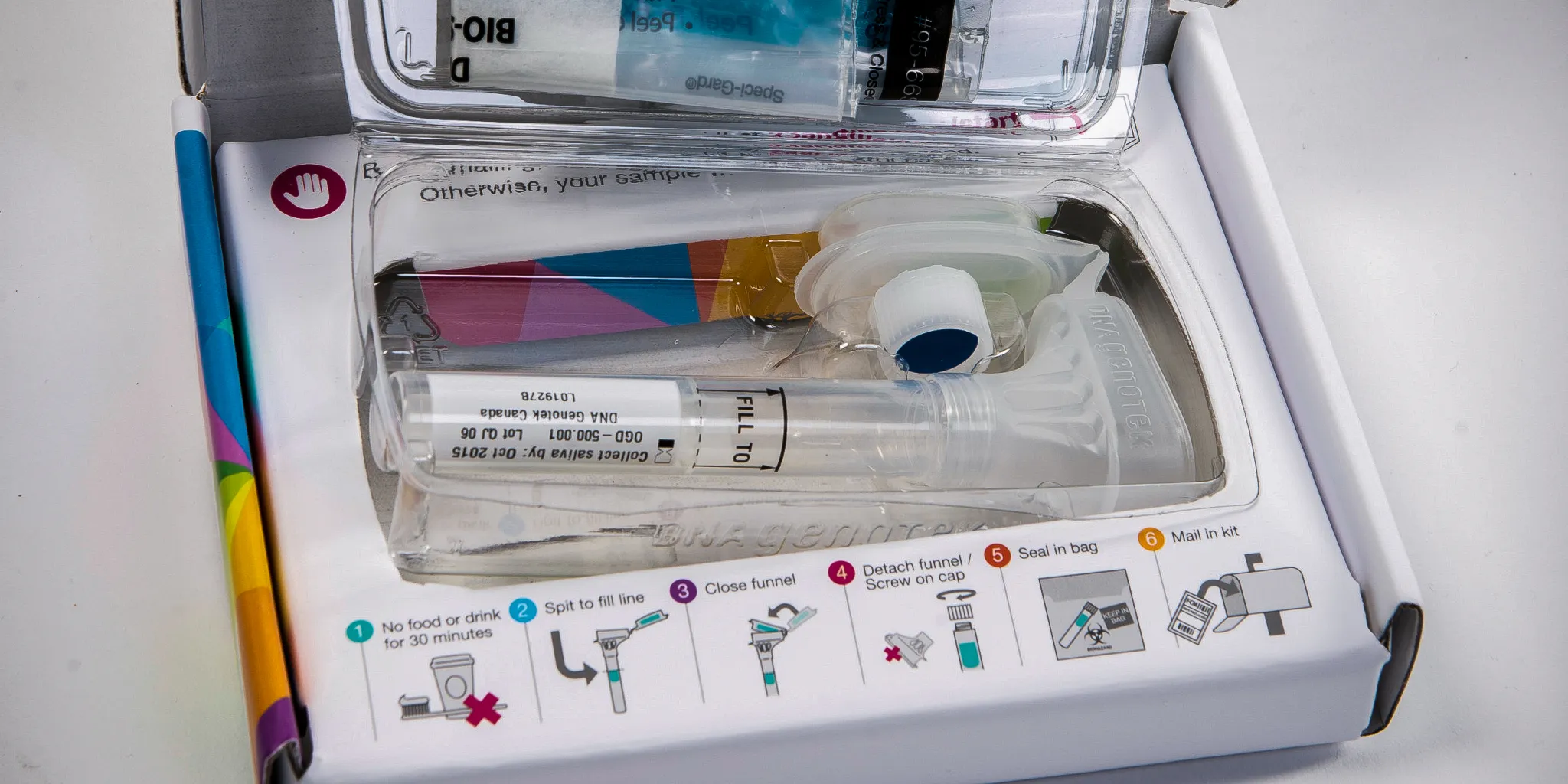
The central obstacle is no longer identifying the child physically. It is producing evidence that both families, hospitals and investigators will accept. Al Jazeera reported that al-Shifa officials said the specialized laboratories needed for DNA testing have been destroyed or left non-operational. Without working forensic tools inside Gaza, investigators said samples would need to be tested locally with restored equipment or transferred through an international channel to accredited laboratories in Egypt or Jordan.
That absence of certainty has echoed in other family separations as well. In a Reuters story from April 2024 about another premature baby separated from his parents, a couple in Jabalia said they had spent months unable to reach the child who had been evacuated south after a hospital raid. Stories like that do not prove Lubbad’s claim, but they do show how easily newborns disappeared into a broken medical system during the first months of the war.
Lubbad says he is close to a psychological breaking point and wants only a conclusive answer. Whether the child is his or not, the case now turns on a single question that Gaza’s shattered health system still cannot answer on its own: who can perform the DNA test, and when.