

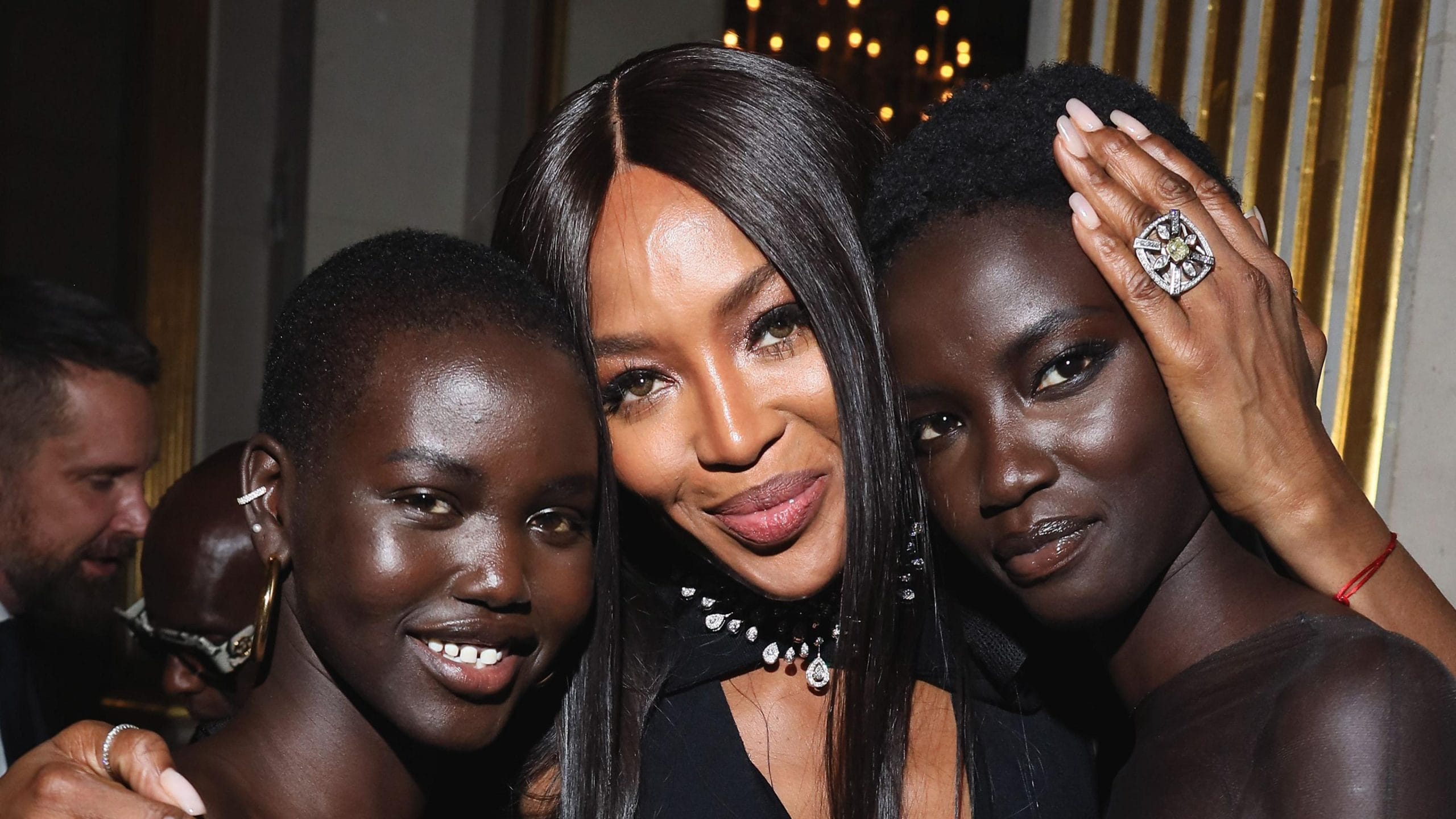
The split between visibility and access is now hard to ignore. In a recent Al Jazeera feature from Juba, young models described family resistance, broken support networks and repeated visa setbacks even after signing with agencies abroad. A separate Africanews report, citing AFP, said several hopefuls with confirmed fashion work were still blocked by last-minute refusals for Europe.
Why South Sudan models still hit a wall at home
For many women, the first obstacle is not Paris or Milan but home. Recent accounts from Juba describe a profession that some families still do not fully accept, especially for young women expected to follow more conventional paths. The result is a talent pipeline that can produce global names while leaving local newcomers to negotiate family skepticism, small agencies and limited professional protection.
Travel is the second barrier. Models from South Sudan often face expensive, multi-country visa processes for castings and fashion weeks, a burden that can sink an opportunity before it starts. The squeeze widened further last year when the United States revoked all visas held by South Sudanese passport holders, adding another layer of uncertainty to a profession that depends on quick cross-border movement.
Global rise, local fragility
Yet the rise is real. The official 2025 Fashion Awards winners page lists Anok Yai as Model of the Year, underscoring how central South Sudanese heritage has become to the modern runway story. Models.com also currently lists South Sudan’s Athiec Geng among its Top 50 models, one sign that the country’s influence extends well beyond a single breakout name.
That success has given young people in Juba a powerful reference point. What once looked like an unlikely path now looks like a real profession. But the industry inside South Sudan still lacks the depth, regulation and institutional backing needed to convert attention into a durable system. Until that changes, international success will continue to belong mostly to the few who can find outside representation, family support and a workable visa route.
The pattern has been building for years
This is not a sudden contradiction. In 2018, Vogue reported that Sudanese and South Sudanese models were already talking about missed bookings tied to immigration problems and the need to hide their careers from relatives at home. That same year, British Vogue wrote that Adut Akech wanted to build an agency in South Sudan because talented girls lacked the connections and resources to break through safely.
By 2022, Le Monde was describing the rise of South Sudanese models as one of fashion’s most striking shifts while also warning that weak local regulation could leave young talent exposed to exploitation. The newest reporting suggests the same basic tension remains: the industry is eager for the talent, but the system around the people behind it is still uneven.
That is why the country’s fashion story now feels bigger than catwalk glamour. South Sudan’s models no longer need to prove they belong in the industry. The harder question is whether governments, agencies and families will remove enough barriers for more of them to arrive in time.


