How the Good Morning Pakistan panel unpacked colourism
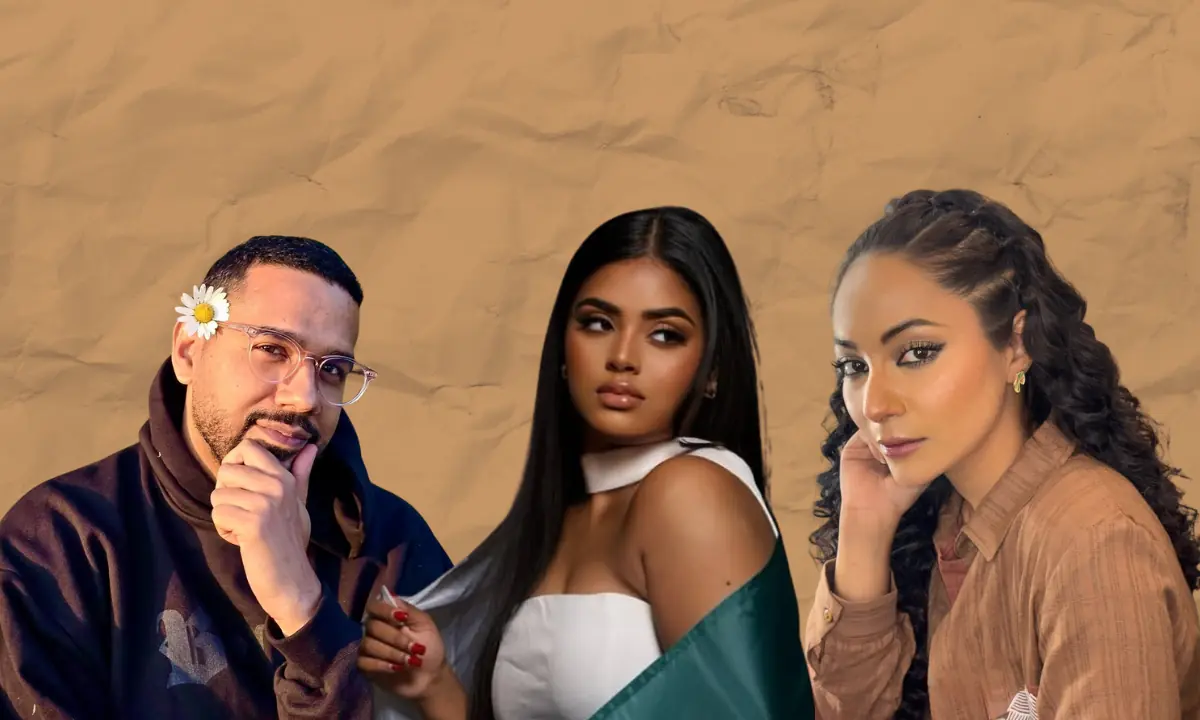
The segment began with Gul Pir’s new track, “Brown & Black”, which he presented as a celebration of darker skin and a response to prejudice. Gul Pir recalled being bullied in school and later seeing similar bias in the entertainment industry, where makeup artists would try to lighten his face when he appeared with fairer-skinned co-stars.
Riaz drew a contrast between the foreign media she watched growing up, where people of different skin tones and body types appeared on screen, and Pakistani entertainment, where she said she felt out of place. Her point widened the conversation from individual insults to representation: when screen culture repeatedly rewards fairness, darker viewers learn to read their own appearance as a disadvantage.
Black said she was treated differently as a child because she was darker and slimmer than her sisters, adding that she adopted the name Naina Black in the eighth grade as a way to own what others used against her. Later in the show, she told a young guest that complexion “isn’t clean or dirty,” turning the phrase back on a culture that too often treats darker skin as something to correct.
Hira, speaking as a psychologist, said clients may come in with depression, social anxiety or self-esteem issues before colourism emerges as one of the pressures underneath those symptoms. Her remarks placed the issue beyond appearance, linking family comments and social comparison to the emotional burden many darker-skinned children carry into adulthood.
Colourism debate has been building for years
The conversation did not arrive in isolation. Pakistani morning shows have been part of the backlash before: a 2018 Dawn Images report on Sanam Jung’s Jago Pakistan Jago criticised a bridal makeup segment that used brownface and blackface while presenting dark skin as a “challenge.” Two years later, a Dawn Images critique of fairness creams argued that the beauty industry had softened its language while still selling a white-skin ideal.
Celebrity pushback has also been consistent. Amna Ilyas told The Express Tribune in 2020 that colourism began at home for her, echoing Hira’s point that family environments can turn complexion into a lifelong insecurity. Riaz’s appearance on Yasir’s show also follows her own recent public stand, when she rejected criticism that she did not “look Pakistani enough” because of her skin tone.
Why this pushback against colourism matters
What made the episode notable was not simply that the guests condemned complexion bias. It was that Yasir’s platform brought the issue into a mainstream morning-show format often built around beauty, family approval, marriage prospects and self-improvement. The panel challenged the idea that darker skin is a problem to solve and instead pushed viewers toward confidence, education and safer homes for children.
The episode’s strongest message was also its simplest: dark skin does not need apology, concealment or correction. If the conversation is to move beyond television moments, families, media producers, makeup artists and advertisers will have to stop treating fairness as the default language of beauty.