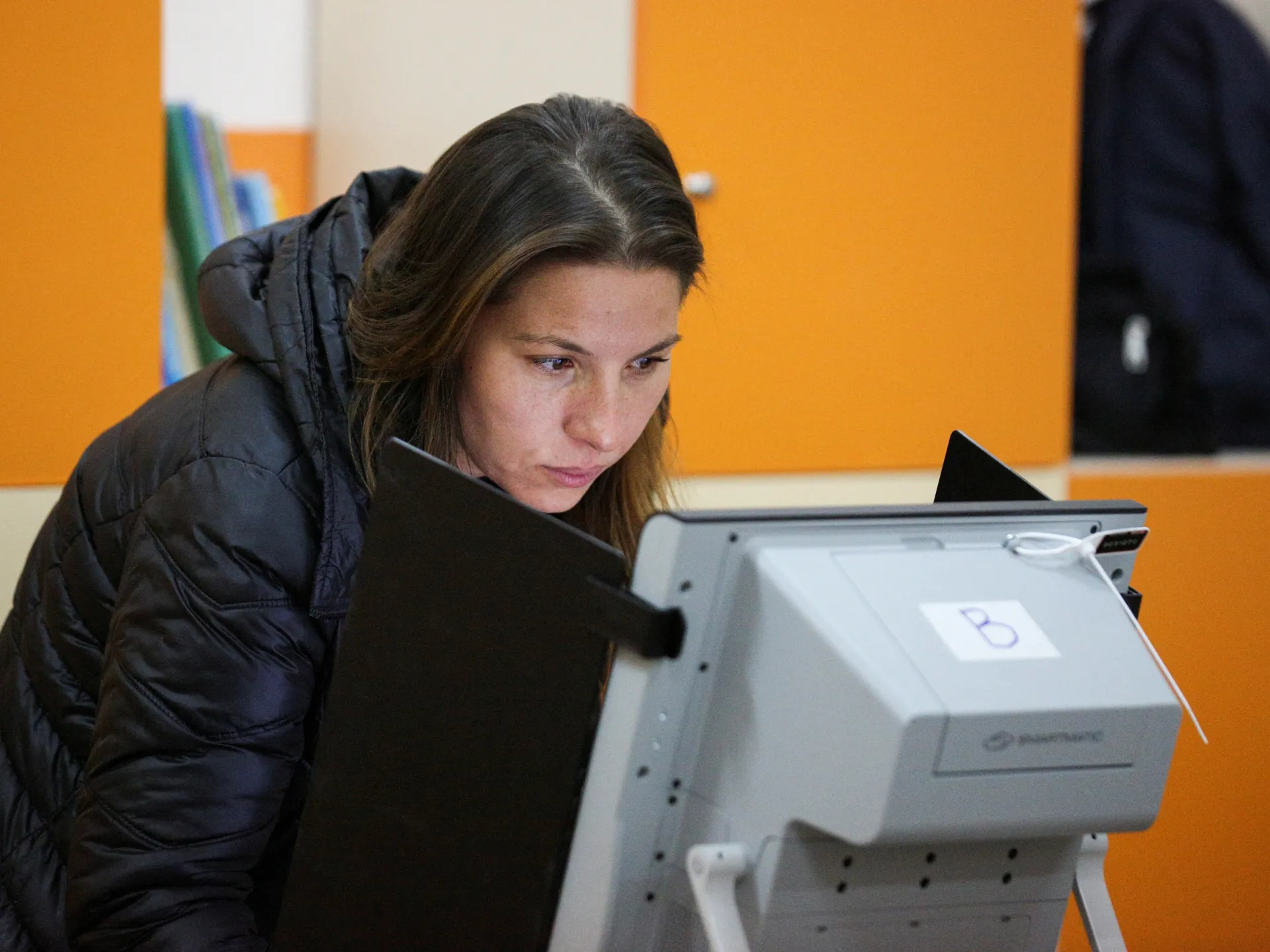
That lead would not guarantee a majority in the 240-seat National Assembly, where coalition-building has repeatedly derailed governments since 2021. Bulgaria’s election system requires parties and coalitions to clear 4% of valid votes nationally to win seats, and the Bulgarian News Agency said 4,786 candidates were contesting the next parliament.
Why the Bulgaria election matters after years of deadlock
The election is the country’s eighth parliamentary vote in five years, a cycle that has left many voters frustrated with caretaker cabinets, fragile coalitions and corruption allegations. Radev has presented himself as an opponent of Bulgaria’s entrenched political networks, while opponents and some analysts say his foreign policy views could complicate Bulgaria’s commitments as a European Union and NATO member.
The Associated Press said Radev’s supporters include voters who believe he can challenge oligarchic corruption and others drawn to his Eurosceptic and Russia-friendly positions. AP reported that Radev has denounced Russia’s invasion of Ukraine but opposed military aid to Kyiv, a stance that could become a major obstacle if he needs support from pro-Western reformist parties.
After voting in Sofia, Radev said Bulgaria needed “a path to democratic, modern European Bulgaria” and called for “practical relations with Russia,” according to Reuters. Borissov, meanwhile, emphasized Bulgaria’s eurozone entry and support for Ukraine, saying the country’s European anchor should prevent it from being “pulled eastward.”
Election integrity is another central test
The campaign also unfolded under scrutiny over vote-buying and voter pressure. Reuters reported before the vote that more than 1,000 election violations had been reported and more than 180 people detained, while analysts warned that deeper networks of clientelism could survive police crackdowns.
International monitors are also observing the process. The OSCE Office for Democratic Institutions and Human Rights deployed an election observation mission after a needs assessment mission in February, with preliminary findings scheduled for the day after the vote.
A long crisis did not begin with Radev
The current vote is the latest chapter in a political crisis that predates Radev’s new coalition. In June 2024, Reuters described Bulgaria’s sixth snap election in three years as another attempt to end instability after anti-graft protests and inconclusive coalition talks.
By October 2024, the pattern had deepened. Reuters reported that Bulgarians were heading into a seventh snap election in four years, with voters increasingly apathetic and parties still struggling to form durable governing blocs.
GERB won that October 2024 vote but still needed partners to govern, a familiar problem in Bulgaria’s fractured parliament. Preliminary results at the time showed GERB in first place, but the party’s path to a stable majority remained uncertain.
Coalition math may decide the outcome
Even if Progressive Bulgaria finishes first, Radev would still need allies to form a cabinet. The reformist We Continue the Change-Democratic Bulgaria bloc could share parts of his anti-corruption agenda, but its pro-European and pro-Ukraine orientation may clash with Radev’s calls for a different approach to Moscow.
Those tensions mean the vote is not only a contest over who wins the most ballots. It is a test of whether Bulgaria can form a government strong enough to survive, restore public trust and manage the pressures that come with eurozone membership, inflation concerns and the war in Ukraine.
Polling stations were scheduled to close at 8 p.m., with preliminary results expected Monday. Until then, the decisive question remains whether voters are giving Radev a mandate for stability or setting up another round of coalition bargaining in a parliament where no single party is expected to rule alone.