

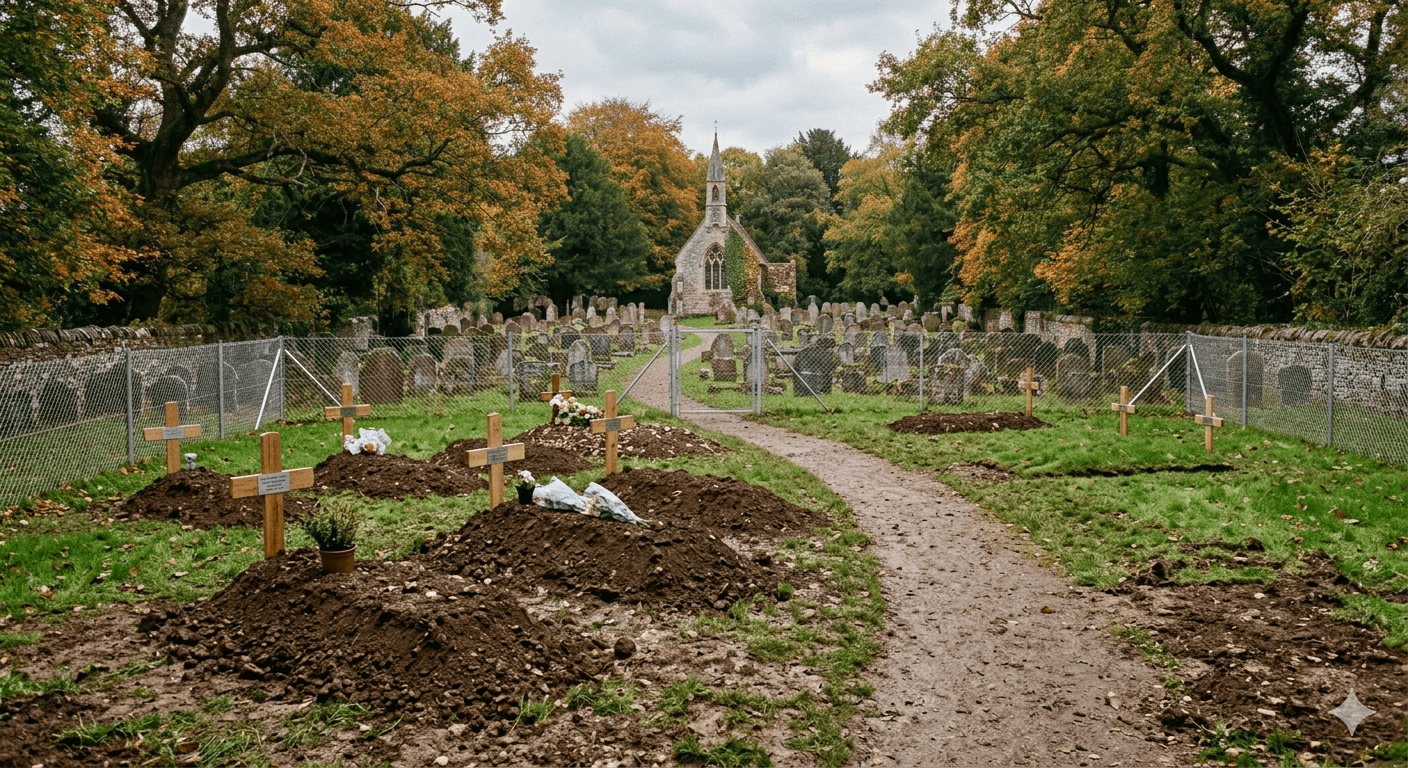
A separate Guardian report from the scene said two suspects, ages 18 and 25, were detained after a gardener noticed them digging at the cemetery. Police sources told the outlet the suspects said they had been instructed to dig a grave for a pauper’s funeral, and officers later recovered the remains from a grave measuring about six feet by three feet.
What police found at Cumuto Cemetery
The discovery was made in Cumuto, about 25 miles east of Port of Spain, and police have not said whether any of the remains have been identified. The Associated Press reported that five of the adult bodies had morgue-style toe tags and that investigators are trying to determine the source of the remains.
Police Commissioner Allister Guevarro described the discovery as deeply troubling and said every cadaver must be handled with “dignity and lawful care.” He said any person or institution found to have violated that duty would be held accountable.
The core questions now facing investigators are whether the remains were lawfully released, whether the burial had proper approval, who had custody of the bodies before they arrived at the cemetery and whether any public agency, private contractor or funeral operator failed to follow required procedures.
Cumuto Cemetery probe puts funeral industry oversight under scrutiny
The case quickly widened into a broader discussion about funeral industry standards. Keith Belgrove, president of the Association of Funeral Professionals of Trinidad and Tobago, told Guardian Media that the government should move forward with stronger industry regulations, saying some operators lack proper standards and refrigeration capacity, according to the outlet’s interview with Belgrove.
Belgrove said the proper handling of unclaimed bodies would typically involve a contract from social welfare or a hospital and arrangements with a cemetery. Health Minister Dr. Lackram Bodoe told Guardian Media he had taken note of the TTPS release and would await the findings of the investigation.
The discovery also comes as Trinidad and Tobago faces wider public safety concerns. DW reported that the country’s state of emergency, first imposed in December 2024 amid gang violence, was extended in March and that Trinidad and Tobago recorded 623 murders in 2024. Police, however, have framed the Cumuto matter as a possible unlawful disposal case, not as a confirmed homicide investigation.
Older reports show concerns over unclaimed bodies are not new
The Cumuto Cemetery discovery has revived long-running concerns about how unclaimed remains are stored, released and buried in Trinidad and Tobago. In 2010, the Trinidad Guardian reported that more than 30 unclaimed dead babies and four adult corpses had been left at the Mt Hope Mortuary before being removed for pauper’s burials.
In 2019, a Newsday editorial titled “Dead wrong” described problems at the Forensic Science Centre, including autopsy delays, staffing concerns and freezers filled with unclaimed bodies. During the COVID-19 surge, Guardian Media also reported that mortuaries were over capacity and regional health authorities were pursuing procedures for the removal and burial of unclaimed bodies.
Those earlier reports do not explain what happened at Cumuto Cemetery. They do, however, show that the handling of unclaimed remains has been a recurring pressure point for hospitals, forensic facilities, funeral homes and public authorities.
What happens next in the Cumuto Cemetery investigation
Forensic analysis is expected to determine whether the remains can be identified, where they came from and whether paperwork, custody records or burial approvals were missing or falsified. Investigators will also have to establish whether the infants and adults were connected to one institution or came from multiple sources.
Until police release further findings, the central issue remains accountability. The discovery of 56 bodies, especially the remains of 50 infants, has turned a local cemetery case into a national test of how Trinidad and Tobago tracks, stores and buries its dead when families cannot or do not claim them.


