

Taunsa HIV outbreak points to reused syringes and contaminated vials
According to a BBC Eye report republished by EpiNews, undercover filming at THQ Taunsa in late 2025 showed syringes being reused on multi-dose medicine vials on 10 occasions. In four of those cases, the report said medicine from the same vial was later given to another child, creating a risk that one contaminated syringe could spread infection through the vial itself.
The footage also reportedly showed injections being given without sterile gloves dozens of times. Medical experts who reviewed the video warned that replacing a needle is not enough if the syringe body has already been contaminated. The hospital’s current leadership has disputed the findings, while officials have said no conclusive epidemiological link has yet proved the hospital was the sole source of the infections.
For families, the distinction between “suspected” and “confirmed” transmission has offered little comfort. One child named in the investigation, 8-year-old Mohammed Amin, died after testing positive for HIV. His sister, Asma, also tested positive, while their mother tested negative — a pattern that has intensified concern that many infections were acquired through medical treatment rather than mother-to-child transmission.
Parliamentary alarm follows reports from Taunsa
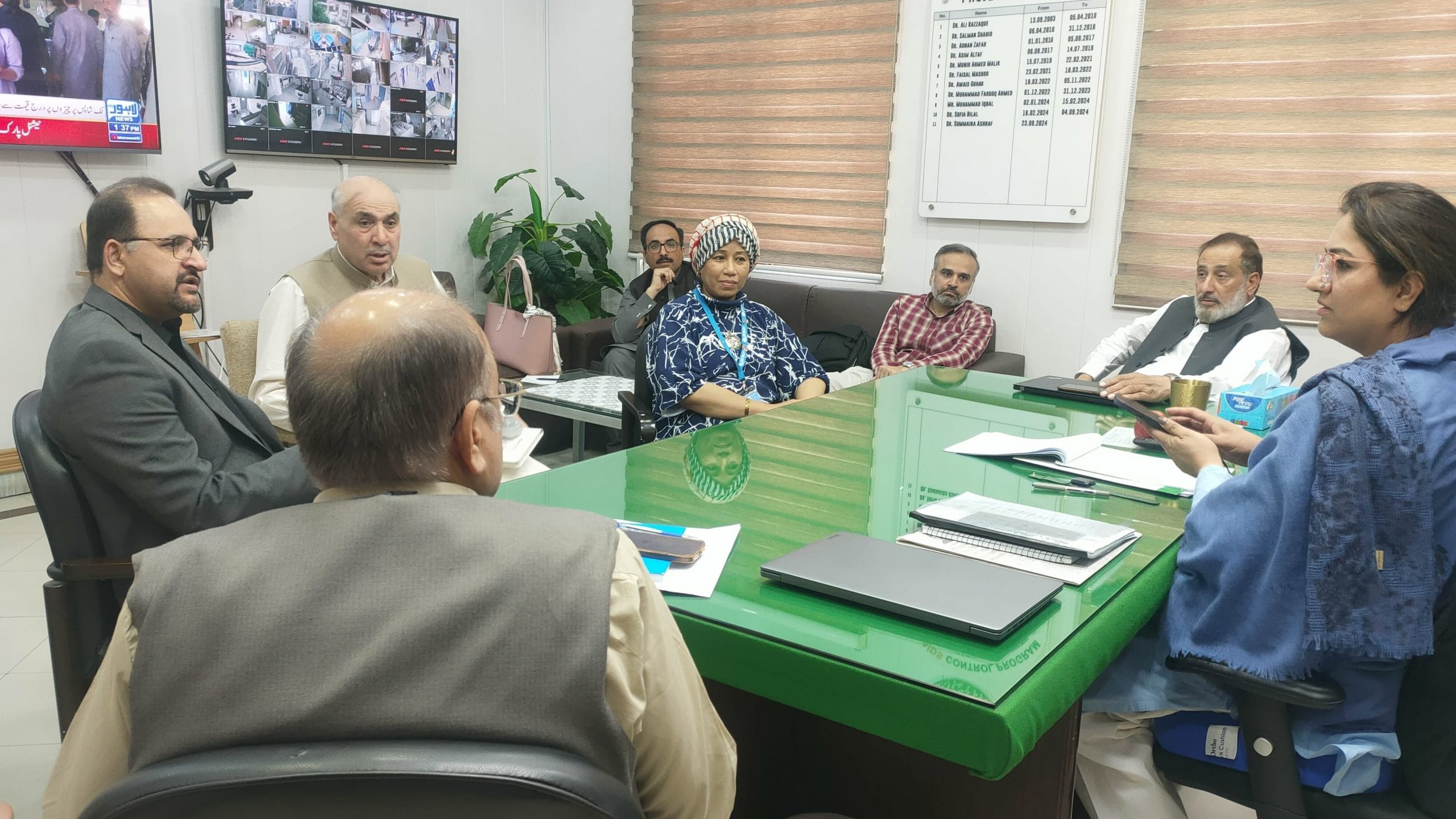
The case has now reached Pakistan’s national political agenda. The National Assembly Standing Committee on National Health Services called the rising number of HIV cases in Taunsa alarming and sought a comprehensive briefing, including details on corrective measures and the use of global health funds, The Express Tribune reported.
That response matters because the reported outbreak did not appear without warning. A local doctor reportedly raised concern in late 2024 after seeing an unusual number of HIV-positive children. Authorities later promised action, including a crackdown and the suspension of the hospital’s medical superintendent in March 2025. The central question now is why unsafe practices allegedly continued months later.
Pakistan’s HIV crisis is increasingly reaching children
The Taunsa HIV outbreak fits into a broader national emergency. WHO, UNAIDS and Pakistan’s Health Ministry have warned that an estimated 350,000 people are living with HIV in Pakistan, while nearly eight in 10 do not know their status. New HIV cases among children ages 0-14 rose from 530 in 2010 to 1,800 in 2023, according to a WHO and UNAIDS call to action.
The same warning cited recent outbreaks affecting children in multiple areas, including Taunsa, Mirpur Khas, Jacobabad, Shikarpur, Larkana and other districts. In several outbreaks, more than 80% of detected cases involved children — a devastating sign that unsafe medical exposure, poor screening and delayed treatment are moving HIV beyond groups traditionally considered at higher risk.
Older outbreaks show the danger was not new
Pakistan faced a major warning in Ratodero, Sindh, in 2019, when a study linked a pediatric HIV outbreak to poor health care practices, including dirty needles and contaminated blood. The Associated Press reported at the time that 930 people tested positive among 31,239 screened, including 763 children younger than 16, in an older report on the Ratodero outbreak.
The pattern deepened in later reporting. A 2021 Pulitzer Center investigation described Ratodero as a city still living with the consequences of unsafe injections, reused equipment and weak health regulation, noting that children continued to suffer long after the first emergency response. Those earlier accounts make Taunsa feel less like a sudden shock and more like a repeated institutional failure.
What accountability should look like
Public anger will not be enough to protect children unless it is followed by a transparent investigation. Authorities need to trace transmission routes, preserve hospital records, test at-risk children and mothers, audit blood transfusions, examine private clinics and publish findings without shielding officials or facilities from scrutiny.
Infection control also has to become routine rather than reactive. That means reliable supplies of single-use syringes, safe disposal of sharps, strict limits on unnecessary injections, training for nurses and paramedics, surprise inspections, penalties for reuse of medical equipment and public reporting of violations. Crackdowns on unlicensed clinics must not become one-time photo opportunities.
Children who have tested positive need uninterrupted antiretroviral therapy, follow-up care, nutrition support and protection from stigma at school and in their communities. HIV is treatable, but only if families can reach care without fear, shame or financial ruin.
The Taunsa HIV outbreak has exposed more than one hospital’s alleged failures. It has exposed a safety culture in which basic precautions can collapse despite years of warnings. For Pakistan, the test is no longer whether officials can express alarm after children are infected. The test is whether they can stop the next outbreak before it begins.


