

WASHINGTON — The Federal Communications Commission warned broadcast television stations that political interviews on late-night and daytime talk shows can trigger the FCC equal time rule, requiring comparable opportunities for rival candidates who ask for them, Jan. 21, 2026. The staff guidance challenges broadcasters’ long-standing reliance on a 2006 precedent and could push some programs to curb candidate bookings or seek formal FCC clearance.
What the FCC equal time rule says — and what it does not
In a four-page Media Bureau notice, the FCC stressed that the “equal opportunities” requirement in Section 315 of the Communications Act is often called the FCC equal time rule, but it is not a blanket mandate to book every candidate. The obligation is triggered when a station permits a legally qualified candidate to “use” its airwaves outside the law’s news exemptions, then rival candidates can request comparable time and placement.
Those exemptions — for bona fide newscasts, news interviews, documentaries and on-the-spot news events — mean some appearances are not treated as a candidate “use.” The FCC equal time rule also applies only to over-the-air broadcasters, not cable networks or streaming platforms. Under FCC rules governing equal opportunities, a request generally must be submitted within one week of the appearance that created the right.
The new guidance targets what regulators described as a mistaken industry shorthand: that late-night and daytime entertainment programs are automatically protected as “bona fide news interview” shows. “This is not the case,” the notice said, adding that the bureau has “not been presented with any evidence” that interviews on current late-night or daytime talk shows qualify for the exemption as the programs now exist.
Stations and producers that want certainty are encouraged to “promptly file a petition for a declaratory ruling,” the bureau said, rather than rely on decades-old decisions tied to a different lineup, format and editorial process. A program “motivated by partisan purposes,” the bureau added, would not be entitled to the news interview exemption — language that critics said could chill editorial judgment and booking decisions.
Reuters reported the major broadcast networks did not immediately respond to requests for comment. The warning lands as late-night comedy and daytime panels routinely book elected officials and candidates, and rival campaigns increasingly view entertainment shows as free, high-impact exposure.
Democratic FCC Commissioner Anna Gomez called the move “an escalation in this FCC’s ongoing campaign to censor and control speech,” and urged stations not to “water down, sanitize, or avoid critical coverage” out of fear of retaliation, according to CBS News. Supporters of stricter enforcement counter that the FCC equal time rule is a long-standing guardrail meant to prevent broadcasters from effectively gifting candidate exposure without giving rivals a path to comparable access.
Past flare-ups of the FCC equal time rule
The FCC equal time rule has surged into the spotlight before. In the mid-2000s, the agency rejected a Democratic complaint seeking equal opportunities after then-California Gov. Arnold Schwarzenegger appeared on “The Tonight Show,” Reuters reported in 2007.
In 2015, Donald Trump’s hosting stint on “Saturday Night Live” prompted other Republican candidates to seek comparable airtime from NBC, a dispute Time magazine covered as campaigns tested how far the FCC equal time rule could reach into entertainment programming.
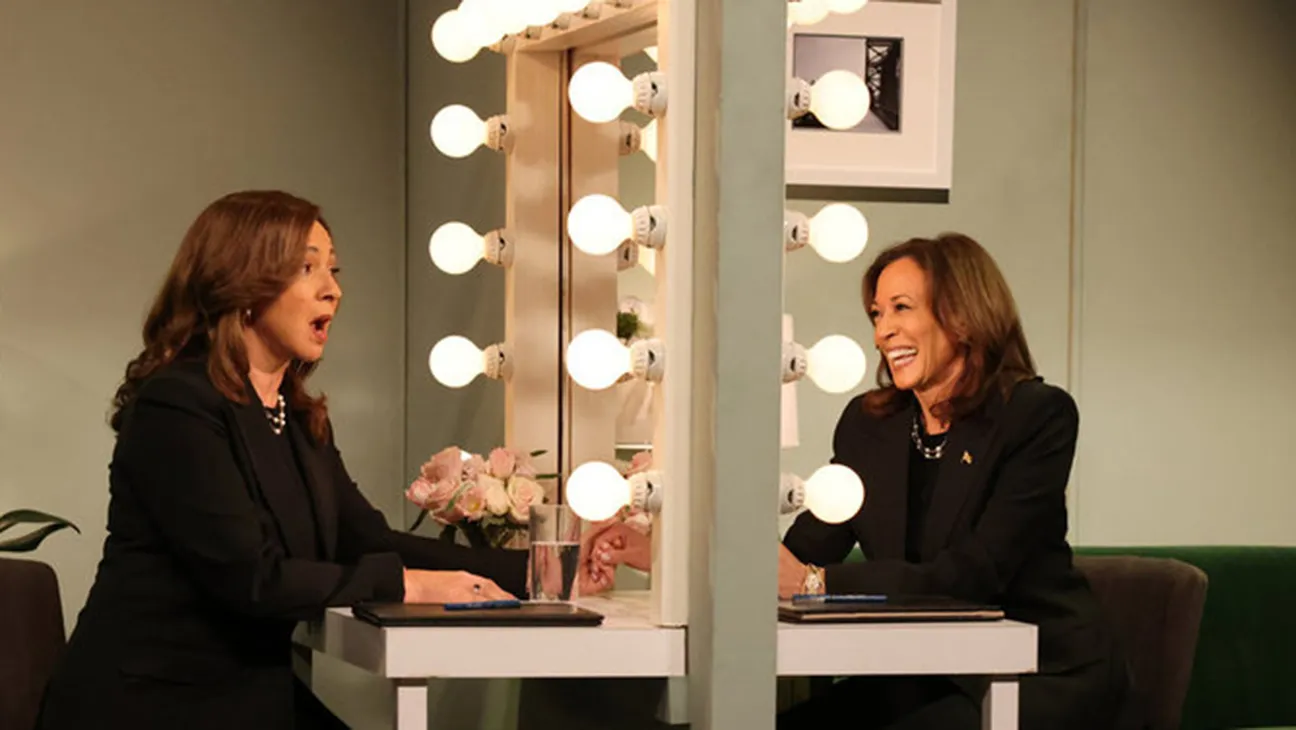
And in 2024, after then-Vice President Kamala Harris appeared in a brief “SNL” sketch days before the election, NBC provided Trump an equal-time accommodation, the Guardian reported. The new notice suggests broadcasters should expect closer scrutiny of whether future talk show appearances fall under news exemptions or trigger the FCC equal time rule.
For stations, the immediate question is practical: whether booking a candidate on a broadcast talk show is worth the compliance burden — and whether campaigns will start filing more requests under the FCC equal time rule as 2026 races ramp up.


