

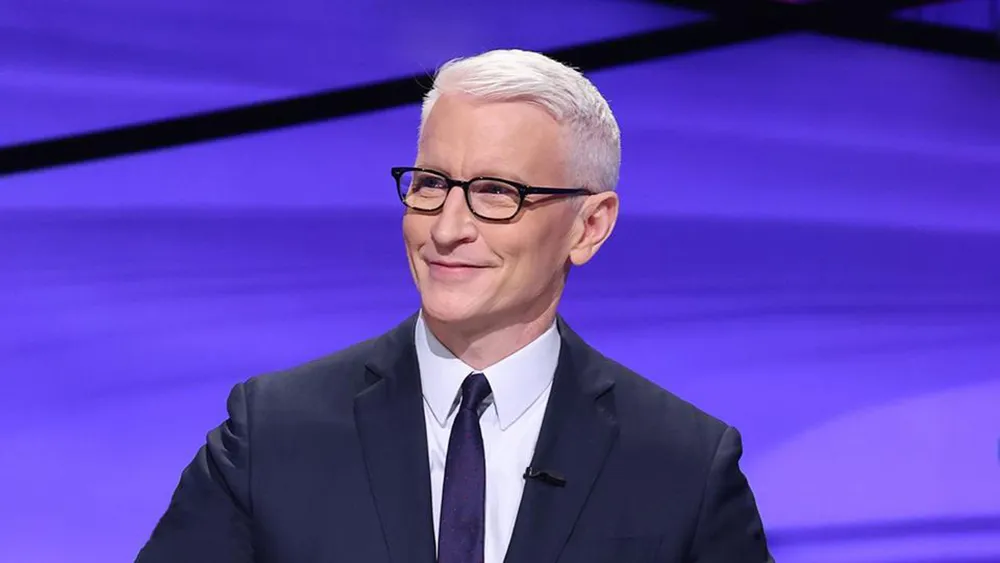
NEW YORK — Anderson Cooper said Monday he is leaving CBS News’ “60 Minutes” after nearly 20 years as a correspondent, ending a rare network-sharing deal that kept him on both broadcast and cable TV. Cooper said the Anderson Cooper 60 Minutes exit is driven by a desire to spend more time with his family while continuing his nightly CNN program, Feb. 17, 2026.
The move lands during a turbulent stretch for CBS News and “60 Minutes,” where leadership churn and editorial disputes have spilled into public view. The departure was first detailed in a Reuters report and later confirmed in statements carried by other outlets.
Why the Anderson Cooper 60 Minutes exit is happening now
In a statement carried by The Associated Press, Cooper called his years on the broadcast “one of the great honors of my career” and said he wants to be home more as his children grow. “I have little kids now and I want to spend as much time with them as possible,” he said.
The Anderson Cooper 60 Minutes schedule has always required long stretches of travel and production for CBS alongside the demands of a nightly live program at CNN. Cooper’s departure does not affect his role hosting “Anderson Cooper 360,” which has aired since 2003, and he renewed his CNN contract last year, Reuters reported.
The Los Angeles Times reported Cooper turned down a renewal offer from CBS as he leans into a more family-focused routine without giving up his primary job at CNN.
For CBS, the Anderson Cooper 60 Minutes departure removes one of the show’s most recognizable correspondents at a moment when executives are trying to reassure staff and viewers that the broadcast’s reporting standards will remain intact. Cooper is expected to finish the current season, which ends in May, AP reported.
How the Anderson Cooper 60 Minutes partnership started
Cooper’s CBS work began in the 2006-07 season through an unusual cross-network arrangement that allowed him to file a limited number of long-form investigations for “60 Minutes” while remaining a CNN anchor. CBS announced the deal in 2006, saying Cooper would contribute up to five reports per year, according to CBS News’ original announcement.
Over the years, the Anderson Cooper 60 Minutes role helped broaden his profile beyond cable news, pairing his disaster and conflict reporting with the program’s signature deep dives into politics, business and culture. The setup also showed how legacy networks could share star power at a time when audiences were splintering across platforms.
CBS News overhaul puts “60 Minutes” in the spotlight
Cooper’s exit arrives as CBS News, under editor in chief Bari Weiss, pursues a sweeping reorganization aimed at rebuilding audiences on streaming and social platforms. Weiss told staff she plans to add 19 new contributors and bring a “streaming mentality” to CBS News, Reuters reported in January.
AP reported that at Weiss’ direction, “60 Minutes” delayed a report about the Trump administration’s immigration policy in December and aired it a month later after additional efforts to secure administration response.
The program’s leadership has also been in flux. In April 2025, longtime executive producer Bill Owens said he was leaving after concluding he would not be allowed to run the show as he had, according to CBS News.
And CBS News has been dealing with legal and political fallout tied to its reporting. In July 2025, Paramount agreed to a $16 million settlement with President Donald Trump over his lawsuit related to edits of a “60 Minutes” interview with then-Vice President Kamala Harris, according to CBS News’ report on the settlement. The case intensified internal debate over legal risk and editorial independence as the organization underwent broader change.
What comes next for Anderson Cooper 60 Minutes and CBS
For viewers, the Anderson Cooper 60 Minutes exit is less a clean break than a recalibration: a move by a veteran reporter to reduce the second job without abandoning journalism altogether. CBS, meanwhile, must decide how to fill a slot that carried both brand recognition and reporting experience.
Executives have publicly left the door open for Cooper’s return, and his departure does not prevent future guest appearances or special projects. Still, the Anderson Cooper 60 Minutes era is ending at the same moment CBS News is asking its staff to embrace new workflows, new faces and a more digital-first identity.
Whether Anderson Cooper 60 Minutes becomes a one-chapter exit story or a symbol of a broader talent shift will hinge on what comes next: the stability of “60 Minutes” leadership, the pace of CBS News’ overhaul and whether the network can modernize without losing the trust that built its most famous franchise.


