

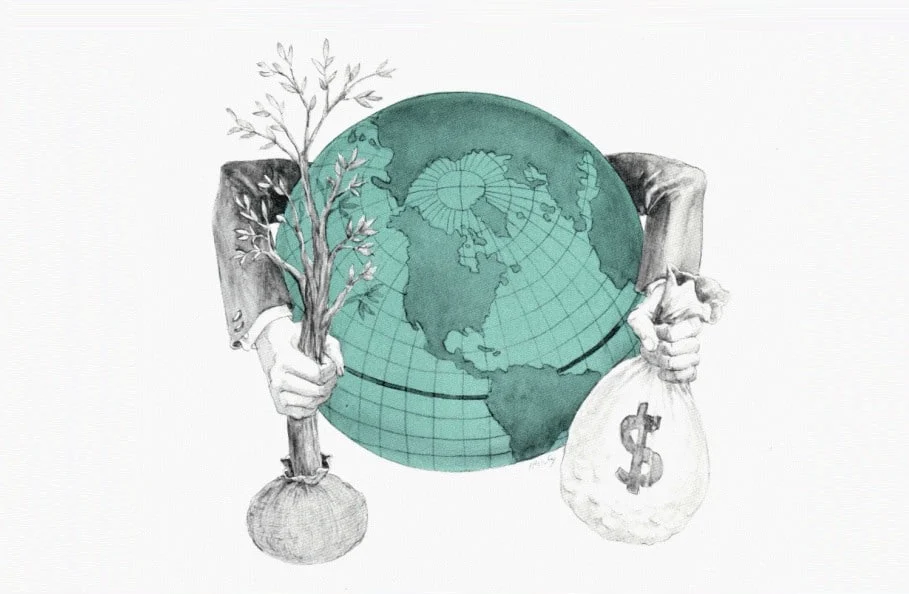
Legal & General, one of the UK’s largest investment firms, has made a major commitment to environmental sustainability, pledging $1 billion to a new wave of debt-for-nature swaps. This initiative will direct financial resources towards conservation efforts, aiming to reduce global debt while simultaneously tackling the ongoing climate crisis.
Understanding Debt-for-Nature Swaps: A Win-Win for Debt Reduction and Environmental Conservation
Debt-for-nature swaps have been gaining traction as a method to address both environmental conservation and sovereign debt issues. The concept behind these swaps is simple: a portion of a nation’s debt IMF Debt Relief Programs is forgiven in exchange for a commitment to preserve the natural environment. This innovative model enables governments to redirect financial resources towards sustainable development without accumulating additional debt.
Legal & General’s $1 billion pledge is part of a growing movement that merges the worlds of finance and environmental protection. The firm’s commitment will help fund initiatives that support biodiversity conservation, combat deforestation, and protect endangered ecosystems across various countries. This investment reflects the growing recognition that environmental stability is fundamental to global economic prosperity.
Previous Debt-for-Nature Efforts: A Growing Trend
The debt-for-nature swap model has seen significant success in the past. Countries like Costa Rica, for instance, have already reaped the rewards of debt forgiveness in exchange for environmental commitments. In 2007, Costa Rica signed a $26 million debt-for-nature swap with the Nature Conservancy, which allowed the country to invest in its national parks and forest conservation. These swaps have demonstrated the potential for lasting positive impacts on both national economies and the environment.
One of the key challenges in the implementation of debt-for-nature swaps is balancing the economic needs of debtor countries with the goals of conservation. As governments face fiscal pressure, making long-term commitments to environmental protection can seem daunting. However, studies have shown that the returns on investment in nature can far outweigh the short-term costs of debt forgiveness, creating a path toward long-term sustainability.
Global Momentum: Other Key Players in Debt-for-Nature Swaps
Legal & General’s initiative comes at a time when debt-for-nature swaps are becoming more common in international finance. Several major global institutions, including the World Bank and International Monetary Fund (IMF), are exploring ways to integrate environmental concerns into debt restructuring processes. A notable example is the IMF’s collaboration with the Seychelles, where the island nation participated in a debt-for-nature swap to protect its marine ecosystem.
This growing momentum highlights the increasing recognition of debt-for-nature swaps as a viable financial tool to combat climate change. By linking financial markets with conservation goals, such initiatives The Nature Conservancy provide a model for how the global community can approach the climate crisis in an integrated, holistic manner.
Looking Ahead: What Legal & General’s Investment Means for the Future
The $1 billion pledged by Legal & General represents a significant step forward in the intersection of finance and environmentalism. It sets a precedent for other large financial firms to follow suit, expanding the pool of capital available for sustainable projects. Furthermore, as debt-for-nature swaps become more mainstream, they could unlock new opportunities for innovative financial instruments to support environmental conservation.
As the world grapples with the dual challenges of escalating debt and climate change, initiatives like Legal & General’s are critical. By supporting debt-for-nature swaps, the company is not only contributing to the fight against climate change but also helping to build a more sustainable and financially secure future for all.
For more insights on debt-for-nature swaps and other sustainable finance initiatives, you can explore the work of organizations like The Nature Conservancy, and read more about the history and success of debt-for-nature programs in regions like Latin America.


