MELBOURNE, Australia — Prince Harry and Meghan’s return to Australia has exposed a fragile security divide around their post-royal tours after a low-key, privately funded visit across Melbourne, Canberra and Sydney became entangled in police-cost complaints and allegations that sensitive itinerary details were published before they arrived, April 20, 2026.
The dispute sharpened questions over how private protection, public police resources and media access should work when two globally recognized figures travel with royal titles but without an official palace role.
Harry and Meghan Australia Trip puts security rift in focus
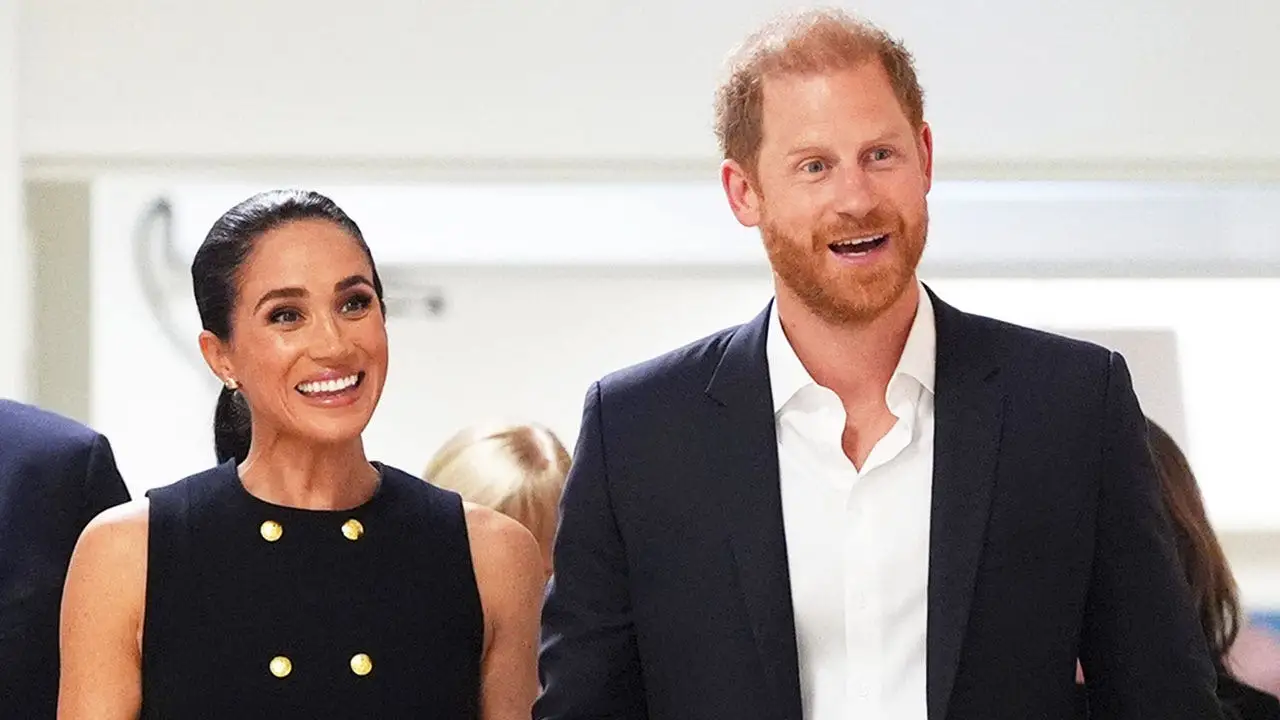
The Duke and Duchess of Sussex arrived in Melbourne for their first Australian visit since their official 2018 royal tour, with the Associated Press reporting that the four-day schedule was described as privately funded and included stops in Melbourne, Canberra and Sydney. The quieter tone was deliberate: unlike the 2018 tour, the couple were not expected to greet crowds of thousands, in part because of concern over policing and security costs.
The optics were difficult from the start. The Sussexes flew commercially from Los Angeles and framed the trip around service, mental health and veterans’ issues, but critics questioned why public agencies might still absorb some safety costs for a private visit that also included commercial events. That tension made the tour less a royal comeback than a test case for the couple’s post-palace operating model.
Reuters reported that the couple began at Melbourne’s Royal Children’s Hospital, with Meghan later visiting a women’s domestic violence shelter, while the wider schedule included veterans’ events, a mental health summit, sailing and rugby appearances. The same report noted that a protest petition over policing costs drew more than 45,000 signatures, underscoring how quickly a private itinerary became a public-resource debate.
Alleged itinerary leak escalated the security dispute
The security row intensified after Guardian Australia reported that the Daily Mail’s Australian website published confidential movements five days before the couple landed in Melbourne. The Guardian said sources close to the Sussexes alleged the reporting forced changes to the itinerary and increased police involvement, while Meghan’s PR team said some outlets had reported sensitive embargoed information, “complicating and compromising security arrangements.”
That allegation goes to the heart of the rift. Security planning for public figures relies on timing, secrecy and coordination. Once location details circulate early, private guards may be able to adjust close protection, but state police still must manage roads, crowds, venue perimeters and emergency response. The result is a public operation around a private trip, with taxpayers, police and media organizations drawn into the fallout.
The public-cost argument was already brewing. 7NEWS reported that security expert Tony Loughran said the visit could cost taxpayers tens or hundreds of thousands of dollars because private close-protection teams still need to coordinate with police handling cordons, routes, vehicle movements and crowd control.
Community work competed with commercial questions
The tour was not only a security story. Harry and Meghan used the visit to highlight causes long associated with their public work, including mental health, online safety, veterans’ welfare and support for women facing homelessness or family violence.
At a Melbourne mental health discussion, a later Reuters report said Harry praised Australia’s social media ban for children under 16 as “epic,” while Meghan spoke about years of online abuse. Those appearances reinforced the couple’s argument that the trip was built around advocacy rather than publicity alone.
Still, the commercial side complicated the message. Meghan’s planned wellness retreat in Sydney and Harry’s paid conference appearance made the visit harder to separate from brand-building, even as the couple’s office said the program focused on organizations delivering measurable impact. That overlap between philanthropy and private enterprise is now central to every major Sussex trip.
Why the 2018 comparison matters
The Australia route inevitably invited comparison with the couple’s first major overseas tour as newlyweds. AP’s 2018 photo file captured a very different scene: public walkabouts outside the Sydney Opera House, formal receptions at Admiralty House and a 16-day tour of Australia and the South Pacific while Meghan’s pregnancy was announced.
What changed was status. Reuters reported in January 2020 that Buckingham Palace said Harry and Meghan would no longer be working members of the monarchy and would pay their own way. That decision created the unresolved gray area now visible in Australia: They are private citizens, but they remain globally famous members of the royal family.
The security question followed them almost immediately. Reuters reported in February 2020 that Canada would stop providing security once the couple were no longer working members of the royal family. Five years later, Reuters reported in May 2025 that Harry lost his appeal over police protection in Britain after stepping down from royal duties.
Low-key tour, high-stakes precedent
For supporters, the Australian visit showed Harry and Meghan can still draw attention to hospitals, veterans, women’s services and youth mental health without palace backing. For critics, it showed the problem with private tours that resemble royal tours while leaving police agencies to manage public safety risks.
The alleged itinerary breach made that conflict more urgent. If media organizations publish operational details early, the burden does not fall only on the couple’s private security team. It can ripple outward to police rosters, venue staff, local traffic planning and public safety decisions that were not designed for a celebrity-style visit with royal-level attention.
That is the risky security rift behind the low-key tour: Harry and Meghan can fund flights, private staff and close protection, but they cannot privately control public order, police deployments or media behavior. Australia showed that their post-royal travel model still depends on institutions they no longer formally represent.