

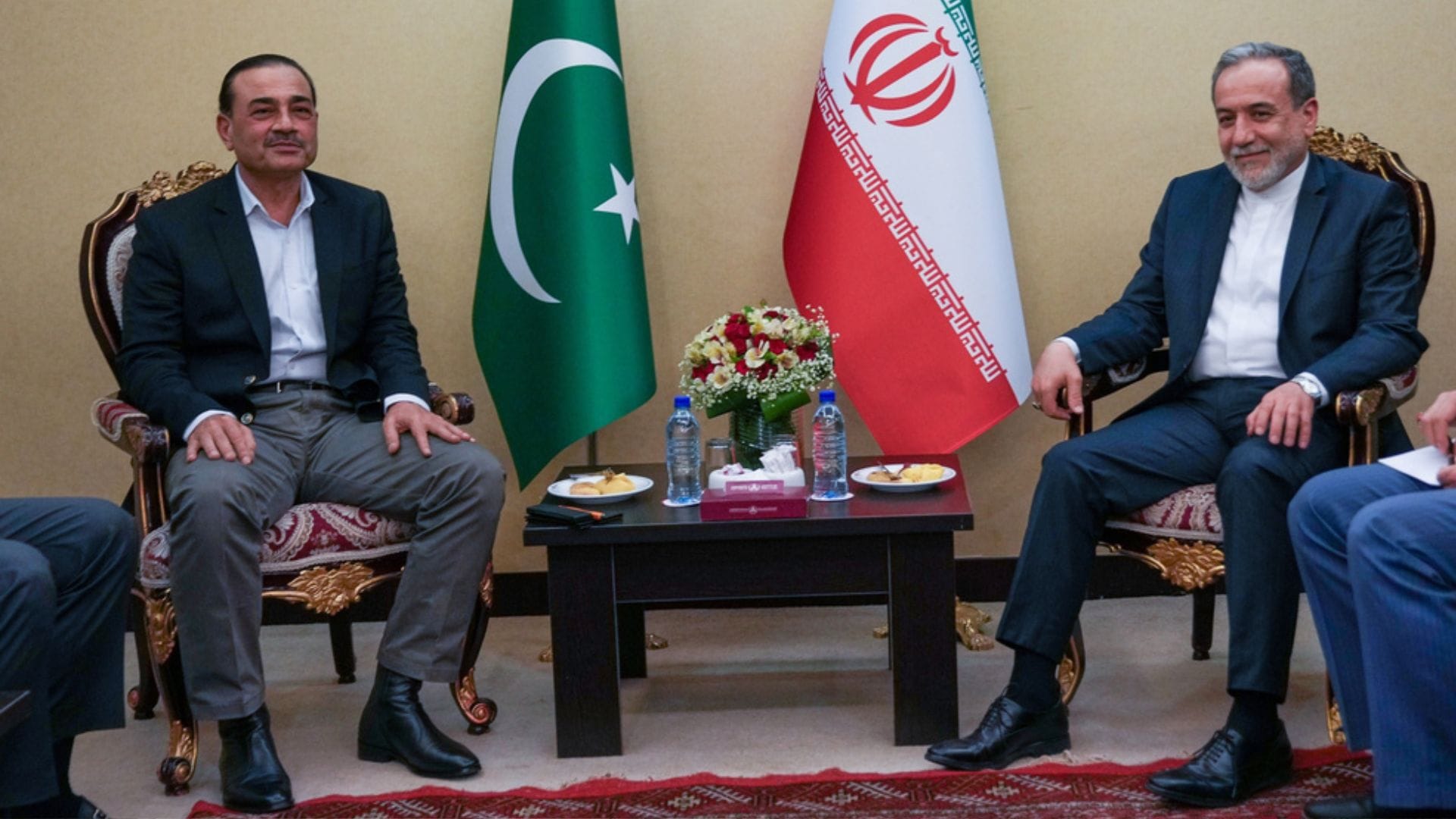
ISLAMABAD — U.S. special envoys Steve Witkoff and Jared Kushner landed in Pakistan on Saturday as part of a renewed diplomatic push to revive Iran peace talks amid a fragile ceasefire, infusing the stalled negotiations with cautious optimism. The trip comes as Iran’s top diplomat Abbas Araghchi made his own visit to the Pakistani capital, highlighting Islamabad’s role as mediator in efforts to de‑escalate weeks of conflict involving Tehran and Washington. Latest reports say the two sides could discuss terms to solidify a permanent truce, though Tehran has downplayed expectations for direct engagement. April 25, 2026.
Fresh Push for Iran Peace Talks Amid Diplomatic Uncertainty
The White House announced that Witkoff and Kushner would meet Iranian representatives conveyed by Pakistan’s leadership, though Tehran has signalled that formal direct talks with the U.S. delegation remain unconfirmed. Iranian state media reiterated that Araghchi plans discussions with Pakistani officials to outline Tehran’s position on ending hostilities, rather than negotiating face‑to‑face with U.S. envoys. Coverage from Irish Times notes the mixed messaging from Iran’s foreign ministry on participation in direct dialogue, even as Islamabad, Washington and other capitals seek to capitalize on diluting tensions.
Pakistan, seen as a critical intermediary in bridging Washington and Tehran’s geopolitical chasm, is hosting these high‑stakes meetings against the backdrop of a tenuous ceasefire that has periodically halted broader regional violence. While the precise agenda remains opaque, both sides report hopes that the exchange could “move the ball forward” toward a durable agreement.
Historical Context: What Leads to This Moment
Earlier in April, a prior round of U.S.–Iran peace negotiations in Islamabad ended without a binding agreement, underlining the hurdles that now loom over the latest initiative. According to analysis from The Diplomat, that initial session saw both sides articulate core positions yet fail to bridge gaps on nuclear constraints, regional security guarantees and ceasefire enforcement — leaving only temporary pauses in hostilities rather than a lasting peace. These talks, hosted by Pakistan under a fragile two‑week truce, were among the most substantive diplomatic exchanges since full‑scale conflict erupted earlier this year.
Market watchers and foreign capitals alike reacted with cautious optimism in the days before this week’s envoy deployment. Gulf equities closed modestly higher amid speculation that renewed Iran peace talks could stabilize oil markets and reduce geopolitical risk — a sign that business communities are attuned to diplomatic prospects. Reuters reported such market behavior just days earlier, tying investor sentiment to progress on the diplomatic front.
Challenges Ahead
Despite these developments, barriers to a comprehensive peace agreement remain significant. Tehran’s reluctance to engage directly with U.S. envoys, preference for mediated channels through Pakistan, and continued regional tensions all complicate the trajectory of Iran peace talks. Additionally, Iranian officials have continued to express mistrust of U.S. demands, while Washington insists on clear commitments from Tehran, especially regarding nuclear activity and regional proxies.
Pakistan’s government — navigating its own delicate diplomatic balance — has emphasized its commitment to dialogue as the only viable path toward stability in West Asia. Whether this weekend’s meetings in Islamabad generate substantive breakthroughs or simply reiterate existing positions, international observers are watching closely for any sign of progress that could unwind months of conflict and chart a return to negotiations.


