

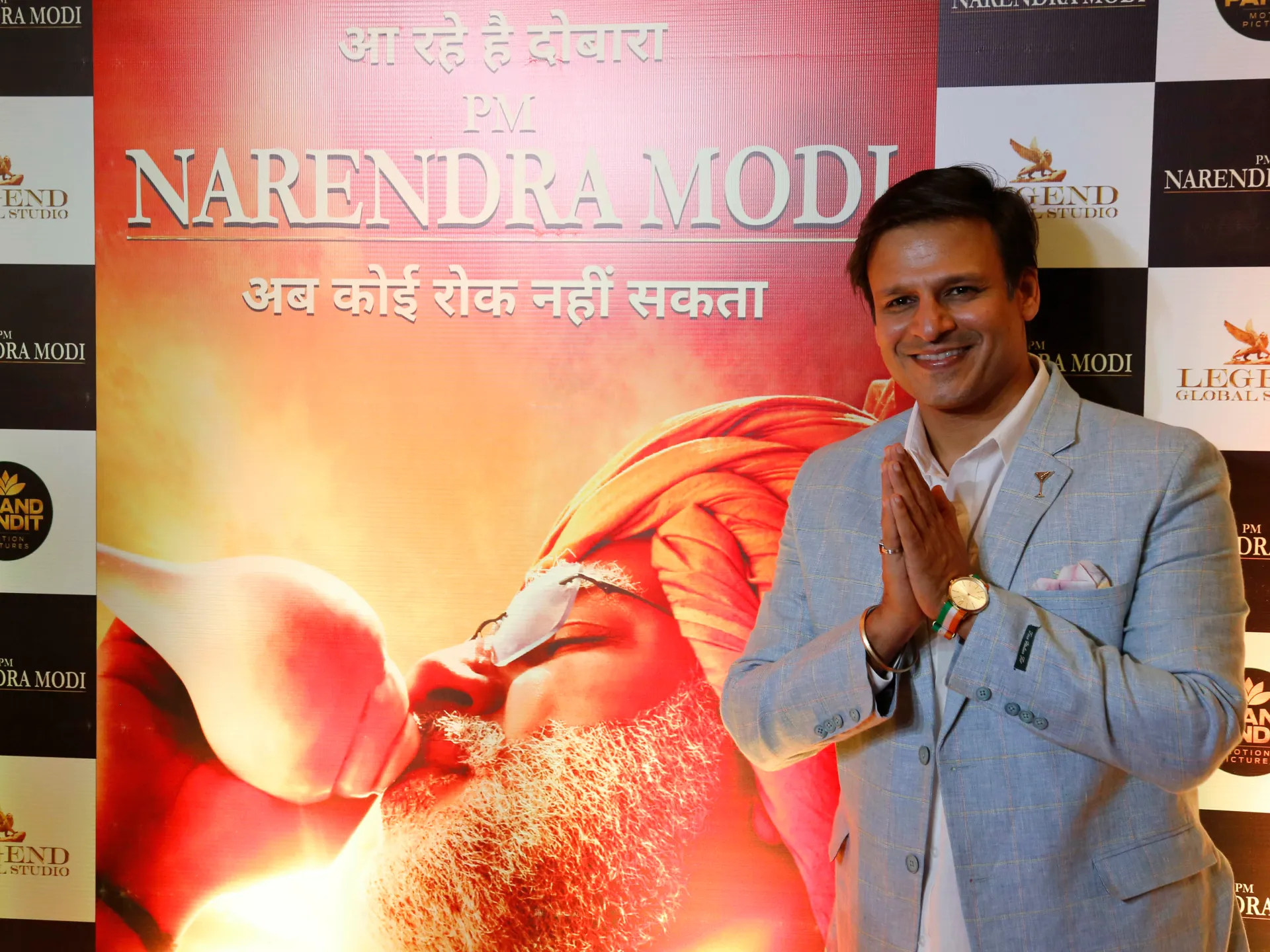
Indian Cinema Propaganda and the Narrative Battle in South Asia
At the center of the discussion is the argument that mainstream Indian cinema increasingly shapes geopolitical narratives through storytelling, character framing, and historical representation. Critics claim that certain portrayals reinforce stereotypes, while supporters argue that films are a reflection of creative freedom and audience demand rather than political messaging.
Over the past decade, cinema has become a powerful soft-power tool in South Asia. As noted in broader cultural analysis of Indian film influence, Bollywood’s global distribution has allowed its narratives to reach audiences far beyond the region, shaping perceptions in ways traditional diplomacy often cannot match. BBC coverage of India’s cultural influence highlights how entertainment industries increasingly contribute to international perception-building.
Historical Context of Cinema and Cross-Border Representation
The portrayal of Pakistan in Indian films has been debated for years, particularly in the context of post-1990s political tensions. Earlier commentary on cultural diplomacy suggests that cinema often mirrors diplomatic highs and lows between the two nations rather than independently shaping them.
For instance, analysts have previously pointed out how shifts in Indo-Pak relations often align with changes in film narratives, from romance-driven peace themes to conflict-centered storylines. Al Jazeera’s cultural reporting on South Asian cinema has documented how entertainment media frequently intersects with political sentiment in the region.
Indian Cinema Propaganda Debate in Modern Media Ecosystems
In today’s digital-first environment, the reach of Indian cinema has expanded significantly, with streaming platforms accelerating global consumption. This expansion has intensified scrutiny over how films portray sensitive historical and political themes. Supporters of the industry argue that cinema is often misinterpreted as propaganda when it is primarily driven by market forces and storytelling traditions.
However, critics maintain that repeated narrative patterns—especially those involving military conflict or national identity—can subtly influence public perception over time. This ongoing tension reflects a broader global conversation about media influence and cultural representation.
Regional Reactions and Academic Perspectives
Scholars and commentators across South Asia continue to study how entertainment shapes national identity. Some argue that cinematic narratives can reinforce existing political divides, while others emphasize the role of audiences in interpreting content independently.
According to opinion discourse published in The Hindu’s editorial and opinion section, cinema often operates as both art and commentary, making it difficult to separate creative storytelling from perceived ideological messaging.
Similarly, regional reporting has noted that audience reception in Pakistan varies widely, with some viewers rejecting perceived bias while others engage with Indian films purely for entertainment value. Coverage in Dawn’s cultural reporting has explored how cross-border media consumption remains strong despite political tensions.
Future of the Indian Cinema Propaganda Debate
As the global reach of Indian cinema continues to grow, the debate around its perceived political influence is unlikely to fade. Industry experts suggest that increasing international collaboration may help balance narratives, while critics emphasize the need for more nuanced representation in storytelling.
Ultimately, the conversation around Indian cinema reflects a larger reality: entertainment today is not confined to screens but actively participates in shaping global perception, identity, and diplomacy.


