

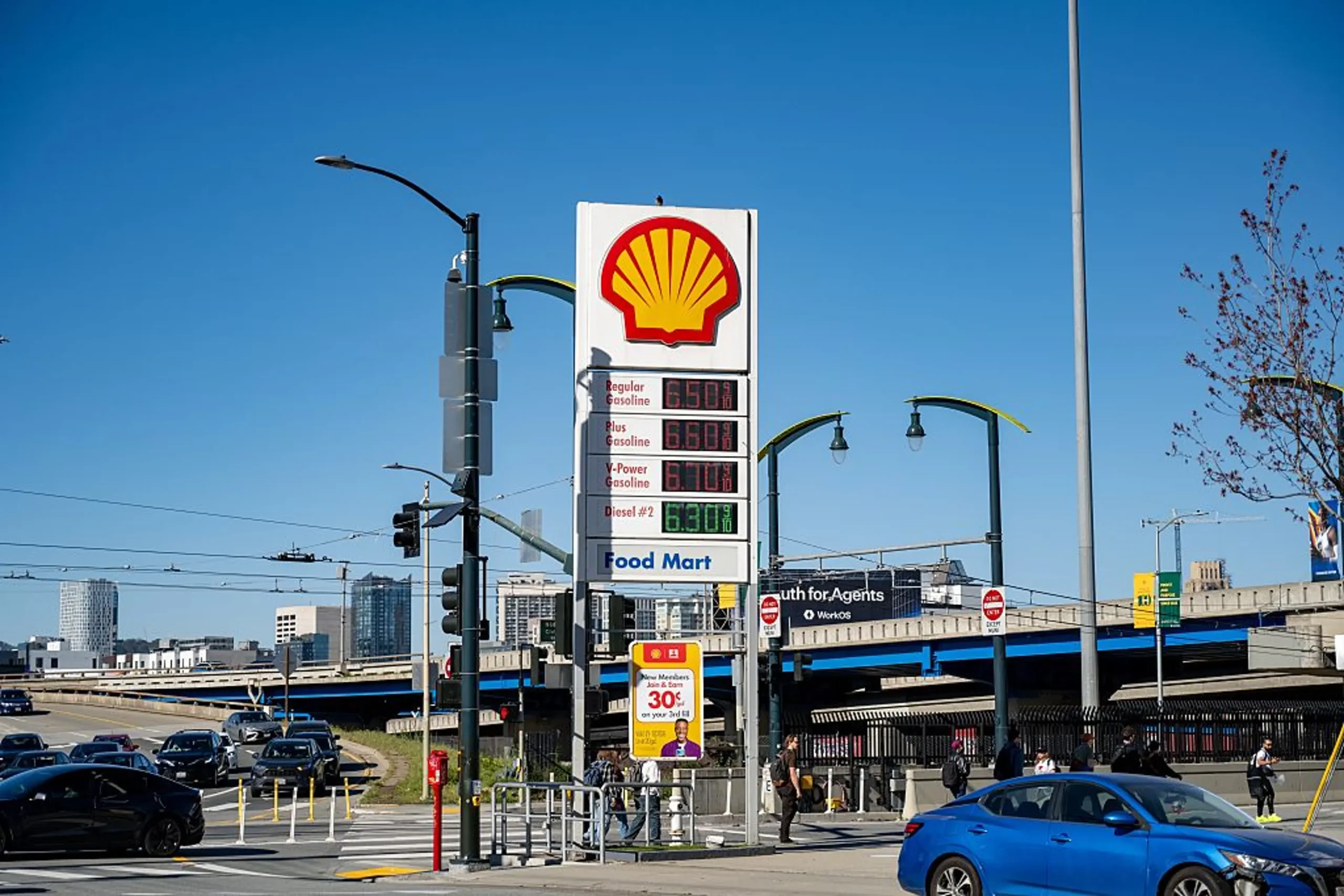
The disruption stems from prolonged instability in the Middle East that has restricted oil flows through key shipping routes, tightening global supply and forcing refiners to pass higher costs directly to consumers.
Gas Prices Iran War fuels global oil shock as supply tightens
Oil markets have remained volatile as the Iran conflict disrupts nearly a fifth of global crude supply passing through strategic chokepoints, triggering sustained price increases across Brent and West Texas Intermediate benchmarks. Recent trading has shown Brent crude hovering above $100 per barrel as geopolitical risk premiums remain elevated due to fragile ceasefire negotiations and ongoing regional escalation.
Analysts note that the structural impact is now more severe than earlier energy crises, with inventory drawdowns accelerating and refinery margins widening as companies struggle to secure stable crude flows. According to recent market analysis, the war has shifted oil pricing behavior into a high-volatility regime that is unlikely to normalize quickly.
Earlier reporting by Reuters showed that crude prices climbed sharply as diplomatic talks faltered, with traders pricing in prolonged disruption risks tied to Middle East instability.
Gas prices Iran war drives U.S. fuel costs to four-year highs
In the United States, gasoline prices have surged roughly 50% since the beginning of the Iran conflict, with averages reaching around $4.48 per gallon nationally in recent weeks. The rapid increase has been driven by higher crude costs, refinery bottlenecks, and reduced global supply flexibility, according to industry data.
Fuel inflation has become a central driver of broader consumer price increases, with energy costs accounting for a significant share of recent inflation spikes. U.S. producer prices have also jumped sharply, reflecting how quickly higher oil costs are cascading through transportation, logistics, and manufacturing sectors.
A recent report from Al Jazeera confirmed that U.S. petrol prices are now about 50% higher than pre-war levels, underscoring how deeply the conflict has reshaped domestic fuel markets.
Inflation pressures rise as energy costs spread across the economy
The surge in fuel prices is feeding directly into broader inflation, with consumer prices accelerating as transportation and shipping costs climb. Economists warn that sustained high oil prices could delay central bank plans for rate cuts and keep inflation elevated through the remainder of 2026.
Recent data highlights that gasoline price spikes are contributing disproportionately to headline inflation, with energy costs accounting for a large portion of monthly price increases. This has raised concerns among policymakers about second-round inflation effects across food and goods sectors.
According to analysis from The Guardian, U.S. inflation has climbed to its highest level in years, largely driven by energy shocks linked to the ongoing Iran war.
Oil markets face prolonged instability amid geopolitical uncertainty
Despite temporary stabilization efforts, analysts warn that oil markets remain highly vulnerable to renewed price spikes. Reduced strategic reserves, ongoing shipping disruptions, and political uncertainty in the Gulf continue to limit supply recovery.
Market observers argue that even if diplomatic progress is made, fuel prices are unlikely to return quickly to pre-crisis levels due to delayed supply chain normalization and persistent refinery constraints.
A broader economic assessment by MarketWatch suggests that uncertainty itself has become a major cost driver, discouraging investment and amplifying long-term inflation risks beyond immediate supply shocks.
Historically, major geopolitical oil disruptions have taken months or even years to fully unwind, and current conditions suggest a similar trajectory unless supply routes stabilize and production ramps up significantly.
Outlook: Fuel prices expected to remain elevated
Looking ahead, energy analysts expect gas prices to remain elevated well into the coming months, with volatility driven by both geopolitical developments and seasonal demand pressures. Even small disruptions in Middle East supply chains could trigger renewed spikes in global oil benchmarks.
For consumers, the immediate outlook remains challenging, with higher fuel costs continuing to filter through transportation, travel, and household goods. Policymakers are now weighing potential relief measures as inflationary pressures intensify across multiple sectors of the economy.


