

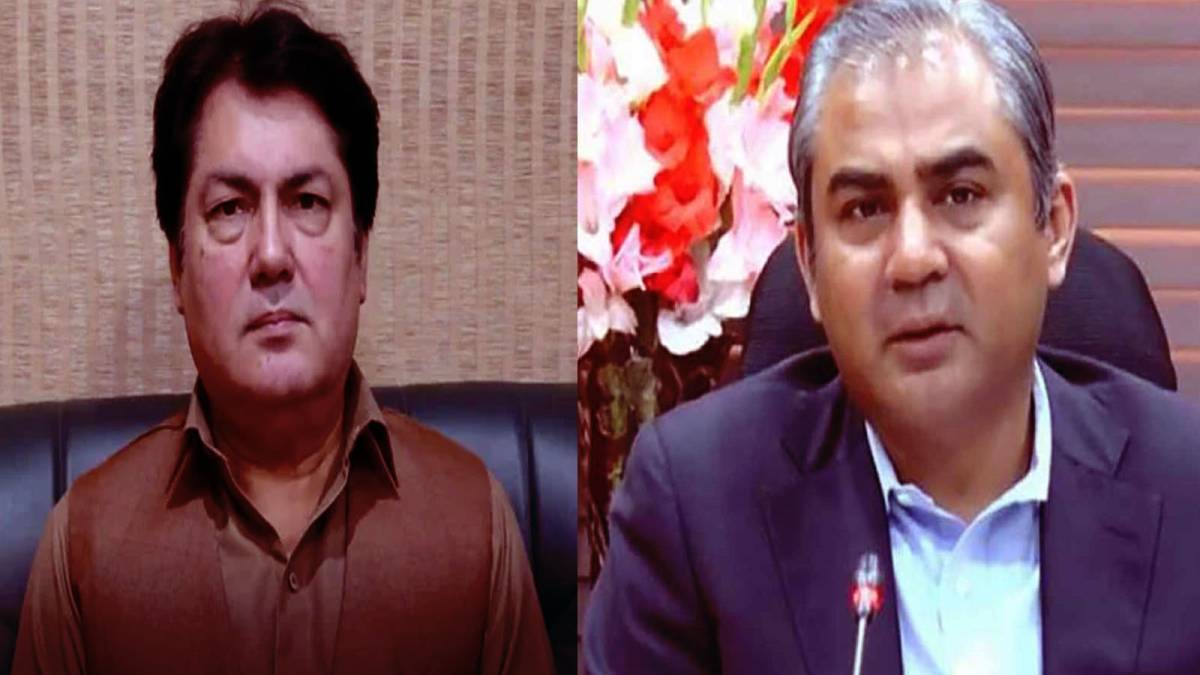
While official details remain limited, the reported interaction comes at a time of heightened political friction and renewed calls for dialogue between the federal government and opposition parties. Government sources have described the engagement as part of broader security-related consultations, while PTI figures have framed it as politically significant amid ongoing disputes with the ruling administration.
Naqvi PTI Meeting Under Scrutiny Amid Political Tensions
The Naqvi PTI meeting has become a focal point in Islamabad’s political discourse, with analysts suggesting it could signal either a limited-security consultation framework or a broader attempt to ease political pressure. However, neither side has issued a detailed public account of what was discussed, leaving room for speculation and competing interpretations.
Political observers note that such engagements are not unprecedented in Pakistan’s complex civil-military-political landscape, where informal dialogue channels have often been used during periods of heightened tension. Similar patterns of behind-the-scenes engagement have been reported in past political crises, including transitions of power and negotiations over electoral and governance disputes.
Context From Past Political Engagements
Previous reporting has highlighted how political dialogue in Pakistan often unfolds in fragmented phases, sometimes involving indirect communication between ruling authorities and opposition parties. Coverage from international and regional outlets has documented how such interactions can influence both policy direction and political stability.
- Earlier analysis of Pakistan’s political negotiation patterns can be found in coverage by
Reuters, which has documented multiple rounds of political engagement between opposition groups and government stakeholders in recent years. - Regional reporting from
Dawn has also tracked evolving dynamics between PTI and federal authorities during periods of political unrest and legal proceedings. - Broader South Asian political context has been discussed by
Al Jazeera, particularly in relation to governance challenges and civil-military relations in Pakistan. - Additional international context on Pakistan’s political environment has been regularly covered by
BBC News, including developments involving opposition parties and federal leadership transitions.
Government and Opposition Response
As of publication, neither the Interior Ministry nor PTI leadership has released a comprehensive joint statement detailing the scope or outcome of the meeting. Officials have instead emphasized the importance of maintaining institutional communication channels, particularly on matters related to internal security and political stability.
PTI representatives, meanwhile, have called for transparency regarding any dialogue processes involving party leadership, arguing that clarity is essential amid ongoing political uncertainty. The absence of a unified narrative has contributed to heightened speculation across media and political circles.
Political Implications Moving Forward
Analysts suggest that the significance of the Naqvi-PTI engagement will depend on whether it evolves into a structured dialogue mechanism or remains an isolated consultation. With Pakistan’s political environment already marked by legal disputes, electoral debates, and economic pressures, even limited interactions between rival political actors are being closely watched.
For now, the situation remains fluid, with further clarification expected from official channels in the coming days. Until then, the meeting continues to dominate political headlines and fuel discussion over the future trajectory of government-opposition relations.


