

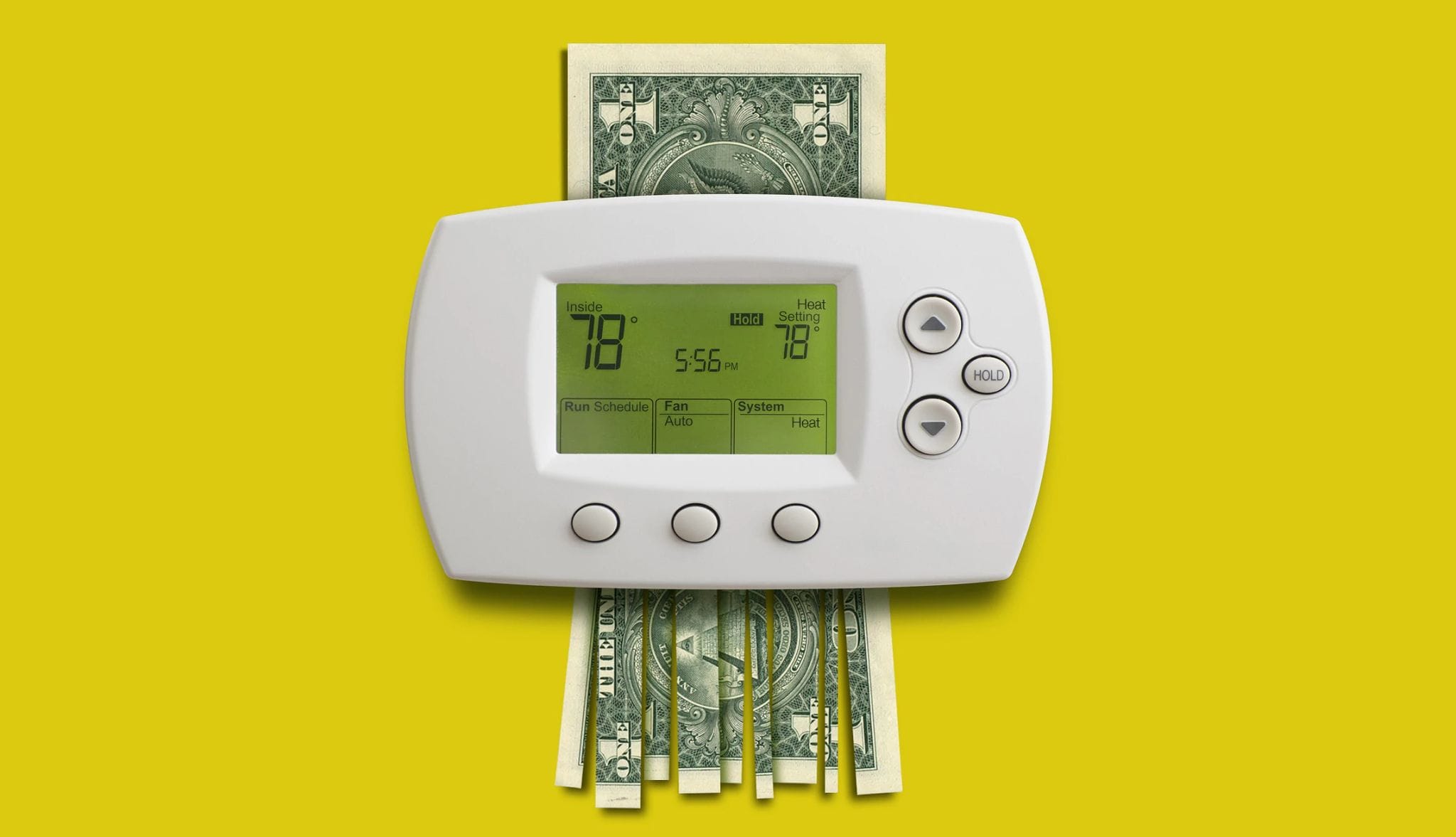
BOSTON — U.S. homeowners are being urged to make simple adjustments and strategic home improvements now to save big on heating bills this winter, as another season of seesawing fuel prices looms amid record-level inflation. A combination of thermostat adjustments, basic weatherization, and targeted equipment upgrades can cut costs by double digits without compromising comfort, Dec. 6, 2025.
Why your home heating bills are going up again
Americans will pay about 7.6 per cent more for home heating this winter — or an average of $976 — than last, according to the National Energy Assistance Directors Association’s latest winter heating outlook. Higher costs will have a disproportionate impact on low- and middle-income households, particularly in colder parts of the country, the group warns.
The U.S. Energy Information Administration’s 2025 Winter Fuels Outlook indicates that households heating with natural gas will pay about the same as last winter, while those using electricity are likely to spend more, and users of propane or heating oil may see some relief. That means the size of your home heating bill this year will depend as much on what goes on within your walls as on global gas and power markets.
Cheap fixes that allow you to save money on home heating costs in a jiffy
The quickest savings, energy specialists say, are in no- or low-cost changes that can add up over a long winter. The thermostat is a savings lever.
U.S. Department of Energy tips suggest that turning your thermostat back 7 to 10 degrees for 8 hours a day can save you as much as 10 per cent a year on heating and cooling when you’re sleeping or aren’t home. Programmable and smart thermostats can schedule those setbacks to make the house cooler when you don’t need the extra heat, but comfortably warm when you get up or come home.
Seal the sneaky drafts.
Warm air that leaks around windows, doors, chimneys, and rim joists can silently account for a surprising percentage of every month’s bill. Caulking and weatherstripping are detailed by the Energy Department’s Energy Saver program as among the most cost-effective home upgrades, in many cases paying for themselves within a year. On the other hand, sealing leaks and adding insulation could reduce annual energy costs by as much as 10% while making rooms feel less drafty, according to ENERGY STAR. Both will reduce home heating bills and can be done without major renovation.
Help your system breathe.
Basic maintenance also matters. Replacing or cleaning furnace filters monthly, keeping furniture from blocking radiators and floor vents, and remembering to close fireplace dampers when they’re not in use all help heating systems move air more efficiently, rather than struggling against blockages and leaks. An old Cannon Air Force Base “no-cost to low-cost” advisory recommended that families combine clean filters with improved thermostat management to lower home heating bills, advice that still holds true in today’s climate of higher energy prices.
When bigger upgrades make sense
For homes facing chronically high home heating bills, experts say an energy audit can identify whether the greatest savings today lie in deeper insulation, sealing ducts, or upgrading ageing boilers, furnaces, or electric baseboard heaters. Many utilities and state energy offices offer subsidies for professional audits by experts who use blower-door tests and infrared cameras to pinpoint hidden leaks and under-insulated areas. The results of an audit can help you decide whether to add insulation in the attic, replace a middle-aged furnace with a high-efficiency model, or install a cold-climate heat pump. While they cost more at the outset, these projects could lock in lower bills for a decade or longer, especially once rebates and tax credits are factored in.
A long-established playbook for saving money
The core strategies being promoted this winter are anything but new. A 22 Department of Energy article geared toward tribal communities, “Six simple steps to save energy and money this winter,” highlighted thermostat setbacks, weatherization, and insulation as the first line of defence against high bills. A 2009 Air Force energy bulletin offered comparable “no- or low-cost” suggestions for military families, demonstrating just how long-lasting these tactics are. And a 2024 AARP guide for older Americans advised that many households could cut heating costs by at least 20% using the same combination of air sealing, thermostat and equipment tune-ups. the weeks before the coldest nights come.
ConsumeConsumer advocates are pushing families concerned about home heating bills to make moves now: schedule a tune-up, grab some cheap weatherstripping and window film, and inquire with utilities about rebates or budget billing plans before the first real cold snap. ose who continue to struggle with bills beyond their means even after reducing energy use, federal and state programs like the Low Income Home Energy Assistance Program and local relief funds can provide the aid necessary to keep heat on while families work toward longer-term efficiency upgrades.


