

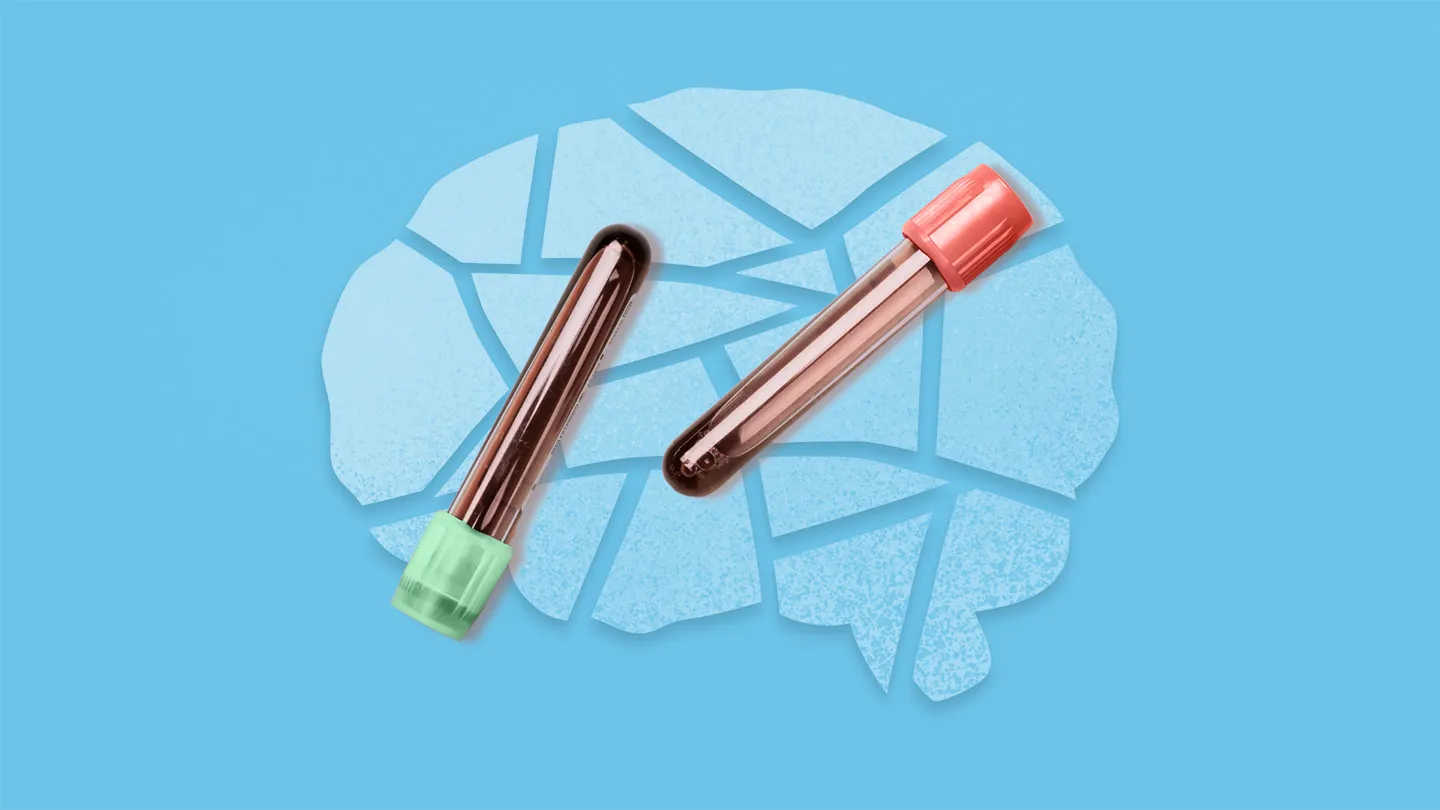
NEW YORK — A new wave of precision forecasting tools is moving age-related disease detection from “wait and see” to “test and act,” led by the Alzheimer’s blood test now cleared by U.S. regulators and a fast-growing ecosystem of AI-driven risk signals. The goal is earlier, cheaper, more scalable triage so patients reach the right confirmatory scans and treatments sooner, Dec. 24, 2025.
Momentum accelerated in May when the FDA cleared the first blood test used to help diagnose Alzheimer’s, the Lumipulse G pTau217/β-amyloid 1-42 plasma ratio. The agency emphasized it is not a stand-alone screen, but a tool for adults 50 and older with signs and symptoms to help clinicians decide whether more definitive testing is needed. Details are in the FDA announcement describing the test’s intended use and performance, including risks of false positives and false negatives.
Why the Alzheimer’s blood test changes the front door of care
For families, the promise of an Alzheimer’s blood test is less about a single needle stick and more about a shortened path. Blood-based biomarkers can help identify who is likely to have amyloid pathology and who may be better served by alternative workups, reducing delays for PET imaging or spinal fluid tests that remain costly, invasive or scarce. In a 2025 explainer, Nature framed the moment as a turning point: blood tests are entering routine clinical pathways, but accuracy, cutoffs and real-world implementation still need careful guardrails to avoid misdiagnosis and inequity in access.
The continuity is long. Researchers have been trying to make blood markers clinically useful for years. A 2019 diagnostic study in JAMA Neurology tested automated plasma assays for Alzheimer-related biomarkers as a step toward standardization. A 2017 paper in Alzheimer’s & Dementia: Diagnosis, Assessment & Disease Monitoring examined plasma Aβ42/Aβ40 ratios as biomarkers for brain amyloid deposition. And a 2020 study in Neurology reported that plasma Aβ42/Aβ40 ratios were associated with amyloid PET status, reinforcing that blood can reflect underlying brain pathology even if no single marker answers every clinical question.
Retinal AI as a second “sensor” for brain aging
Blood is not the only new signal. Researchers are also using the eye as a noninvasive window into brain health, pairing retinal imaging with deep learning to flag patterns linked to cognitive impairment. A 2024 paper in npj Digital Medicine described an AI framework that analyzed retinal microvasculature images to detect early-onset Alzheimer’s disease and mild cognitive impairment. Separately, a 2025 update from the National University of Singapore reported an AI-powered approach that estimated “retinal biological age” and linked higher values to greater risk of cognitive decline or dementia over time.
Clinicians caution that these tools are best viewed as risk stratifiers, not crystal balls. But combined with an Alzheimer’s blood test, retinal AI could become a practical one-two punch: a quick, scalable screen that points to who should get confirmatory testing and who should be monitored more closely.
GLP-1s: big data hints, mixed trial news
Meanwhile, drugs built for diabetes and obesity are being evaluated for brain-related aging pathways. Observational data have fueled optimism: a 2024 study in Alzheimer’s & Dementia reported associations between semaglutide use and reduced risk of a first-time Alzheimer’s diagnosis in large health record data. But randomized evidence is the bar. In December, Alzforum reported that Novo Nordisk said semaglutide failed to slow progression in two Phase 3 Alzheimer’s trials, a reminder that correlation is not causation and that biology is stubborn.
Even so, the broader precision push is converging on a practical idea: use better forecasting to match people to interventions earlier—whether that’s lifestyle change, sleep and vascular risk control, clinical trials, or disease-modifying therapies where appropriate. In that landscape, the Alzheimer’s blood test is becoming the new entry point, while retinal AI and medication research expand the map of what “early” might mean.


