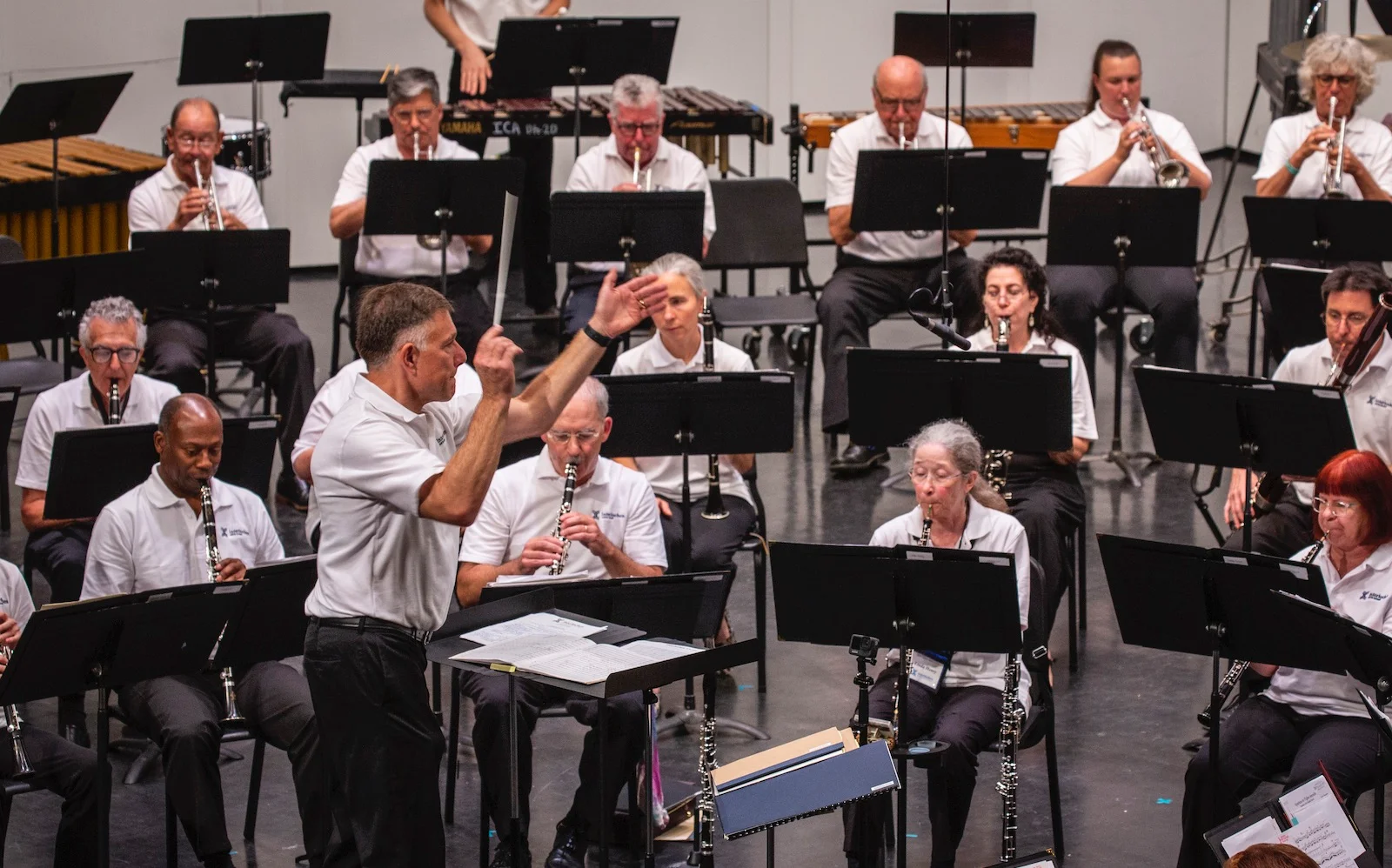
Adult Music Camps are gaining renewed attention across the U.S. and beyond as older adults step back into rehearsal halls, rediscover instruments they once set aside, and experience what many describe as a second creative life. These immersive programs are blending music education, social connection, and cognitive wellness in ways that researchers and participants say are delivering lasting benefits.
Adult Music Camps and the Rise of Late-Life Learning
The concept of learning music later in life is not new, but the modern surge in structured programs for older adults is reshaping how retirement is experienced. Unlike traditional leisure activities, Adult Music Camps place participants in ensembles, workshops, and performances that mirror professional training environments—without the pressure of perfection.
Many programs now emphasize accessibility, offering instruction in piano, strings, voice, percussion, and even digital music production. Participants often range from retirees in their 60s to adults in their 80s, many of whom are returning to music after decades away.
Interest in music and aging has been growing for years. A BBC Future feature on how music changes the brain highlighted evidence that musical engagement can strengthen memory pathways and improve emotional regulation, especially in older adults.
Adult Music Camps and the Science of Brain Health
One of the most compelling reasons Adult Music Camps are expanding is their potential impact on cognitive health. Studies have shown that playing music activates multiple regions of the brain simultaneously, including those responsible for memory, coordination, and language.
Researchers have increasingly linked musical training in later life to slower cognitive decline. In a Psychology Today analysis on music and brain aging, experts noted that regular musical engagement may help preserve neuroplasticity, the brain’s ability to form new connections even in older age.
Participants in Adult Music Camps often report improvements in focus, mental clarity, and emotional well-being after just a few weeks of participation. While music is not a medical treatment, its role in supporting healthy aging continues to gain academic attention.
Adult Music Camps as a Social Lifeline
Beyond cognitive benefits, Adult Music Camps are also addressing a quieter crisis: social isolation among retirees. Many participants describe the camps as a rare space where friendships form quickly through shared learning and performance.
Ensemble rehearsals, group practice sessions, and informal jam circles create environments where collaboration replaces competition. This social structure has been linked to improved mood and reduced feelings of loneliness.
Reporting from organizations studying aging and wellness has long noted the importance of creative engagement. A Guardian article on music therapy and dementia care emphasized how group music activities can improve communication and emotional connection, even among individuals with cognitive decline.
How Adult Music Camps Are Evolving
Modern Adult Music Camps are increasingly hybrid in nature, combining in-person retreats with online instruction. Some programs are hosted on college campuses during summer months, while others operate year-round in community arts centers.
Curricula often include ensemble performance, improvisation, music theory refreshers, and even songwriting workshops. Importantly, these camps are designed to be non-judgmental environments where beginners and returning musicians can learn at their own pace.
Organizers say demand has surged in recent years, driven in part by retirees seeking meaningful, structured activities that go beyond traditional hobbies like gardening or travel.
Adult Music Camps and a Growing Cultural Shift
The rise of Adult Music Camps reflects a broader cultural shift in how aging is perceived. Retirement is increasingly being reframed not as a period of withdrawal, but as a time for reinvention and skill development.
Academic interest in lifelong learning has supported this shift. A NPR report on music and brain aging research discussed how older adults who engage in regular musical practice often show improved cognitive resilience compared to non-musicians.
As more communities invest in arts education for older populations, Adult Music Camps are likely to expand further, offering structured creative spaces where aging is paired with continued growth.
Looking Ahead
While Adult Music Camps are still a niche offering in many regions, their popularity suggests a lasting trend. With growing awareness of the benefits of music for mental health, memory, and social connection, these programs are redefining what it means to age creatively.
For many participants, the experience is not about becoming a professional musician—it is about rediscovering expression, building friendships, and staying mentally active in a supportive environment.