Islamabad/Kabul: The ongoing Afghanistan Pakistan tensions have sharply intensified following a new wave of deadly border clashes, airstrikes, and retaliatory attacks that have pushed both countries into their most serious diplomatic crisis in years, with mounting fears of a broader regional conflict.
Afghanistan Pakistan tensions deepen after deadly border violence
Relations between the two neighbours have deteriorated rapidly since late 2025, when initial airstrikes and retaliatory operations triggered recurring cross-border fighting. According to historical reporting, the conflict escalated after Pakistan conducted strikes targeting militant networks in Afghanistan, followed by Afghan retaliatory attacks on Pakistani border positions that killed soldiers on both sides Britannica analysis of Afghanistan-Pakistan conflict.
By early 2026, the situation had evolved into sustained military exchanges involving airstrikes, artillery fire, and ground incursions. Analysts note that these clashes are rooted in long-standing disputes over the Durand Line border, accusations of militant sanctuary, and competing security doctrines on both sides Lansing Institute analysis on border clashes.
Escalation reaches new peak with airstrikes and retaliatory operations
The most severe escalation occurred when Pakistan launched airstrikes on multiple Afghan cities, including Kabul and Kandahar, following cross-border attacks on its security forces. Afghan authorities described the strikes as violations of sovereignty, while Pakistan defended its actions as counterterrorism operations against militant groups operating across the border Al Jazeera conflict explainer.
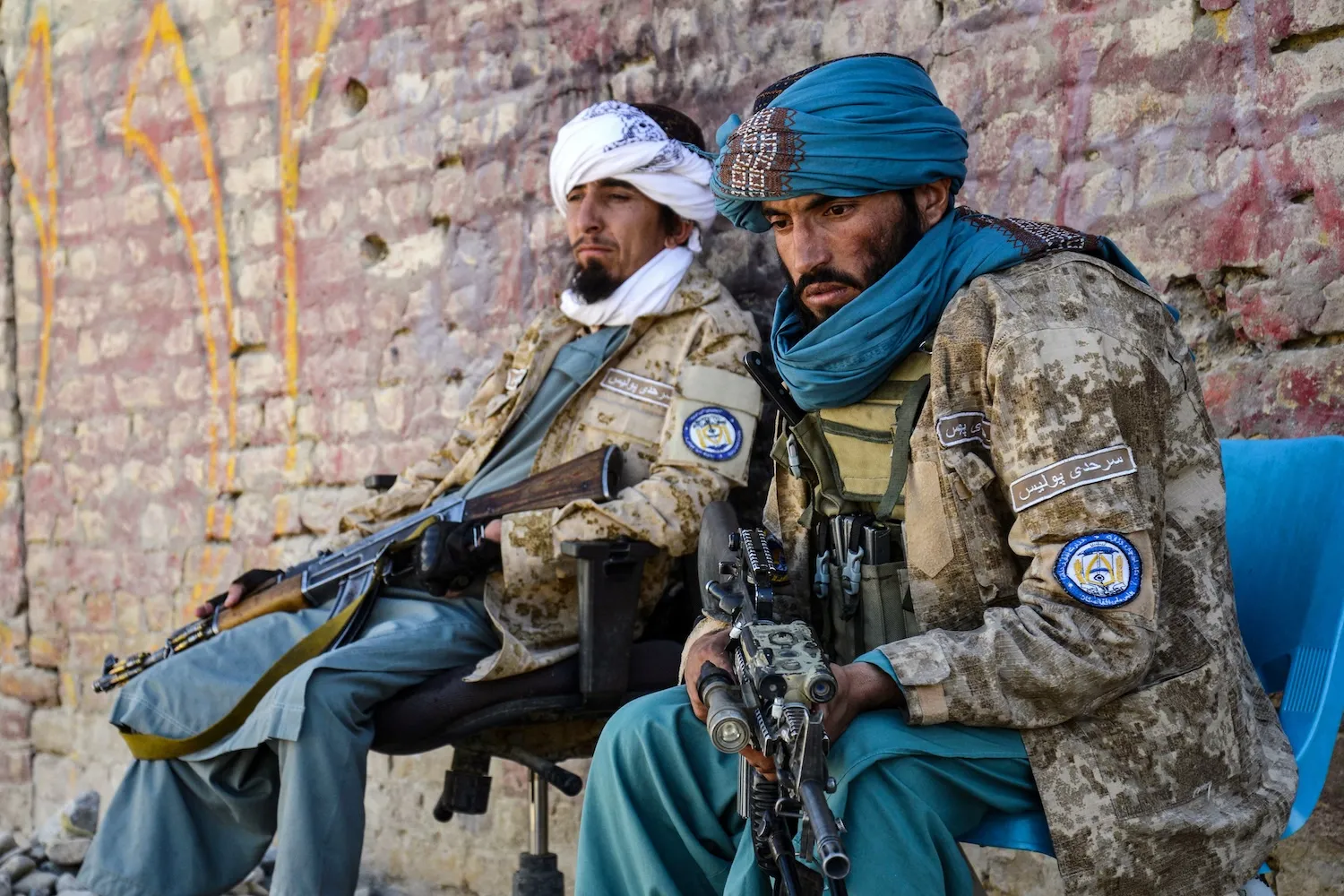
In response, Afghan forces carried out retaliatory operations along the frontier, leading to heavy casualties on both sides. Reports indicate that both governments have accused each other of harboring militant networks and deliberately targeting civilian and military infrastructure during exchanges of fire Reuters border clash report.
Historical tensions fuel recurring conflict
Experts say the latest violence is not an isolated incident but part of a recurring pattern of instability along the 2,600-kilometer border. Previous reports show that cycles of airstrikes, militant attacks, and retaliatory operations have repeatedly destabilized the region since 2025, despite intermittent ceasefire attempts and diplomatic mediation efforts Atlantic Council regional analysis.
The Durand Line dispute remains one of the central issues, with Afghanistan refusing to fully recognize the border while Pakistan continues to accuse militant groups of operating from Afghan territory. These tensions have been exacerbated by domestic security pressures and shifting geopolitical alliances across South Asia.
Humanitarian concerns rise as civilian impact grows
As the violence intensifies, humanitarian agencies have raised concerns about rising civilian casualties and displacement along border regions. Hospitals in affected areas have reported emergency conditions, while infrastructure damage in rural districts has disrupted essential services, including healthcare and education facilities.
Observers warn that continued escalation could overwhelm fragile border communities already impacted by years of instability and conflict, further straining regional humanitarian resources.
Diplomatic crisis shows little sign of immediate resolution
Despite international calls for restraint, diplomatic relations between Kabul and Islamabad remain deeply strained. Each side continues to blame the other for harboring or supporting militant actors responsible for cross-border attacks, making de-escalation efforts increasingly difficult.
With both militaries maintaining heightened alert status and no durable ceasefire in place, analysts warn that the Afghanistan Pakistan tensions could evolve into a prolonged regional confrontation unless sustained diplomatic intervention is achieved.