

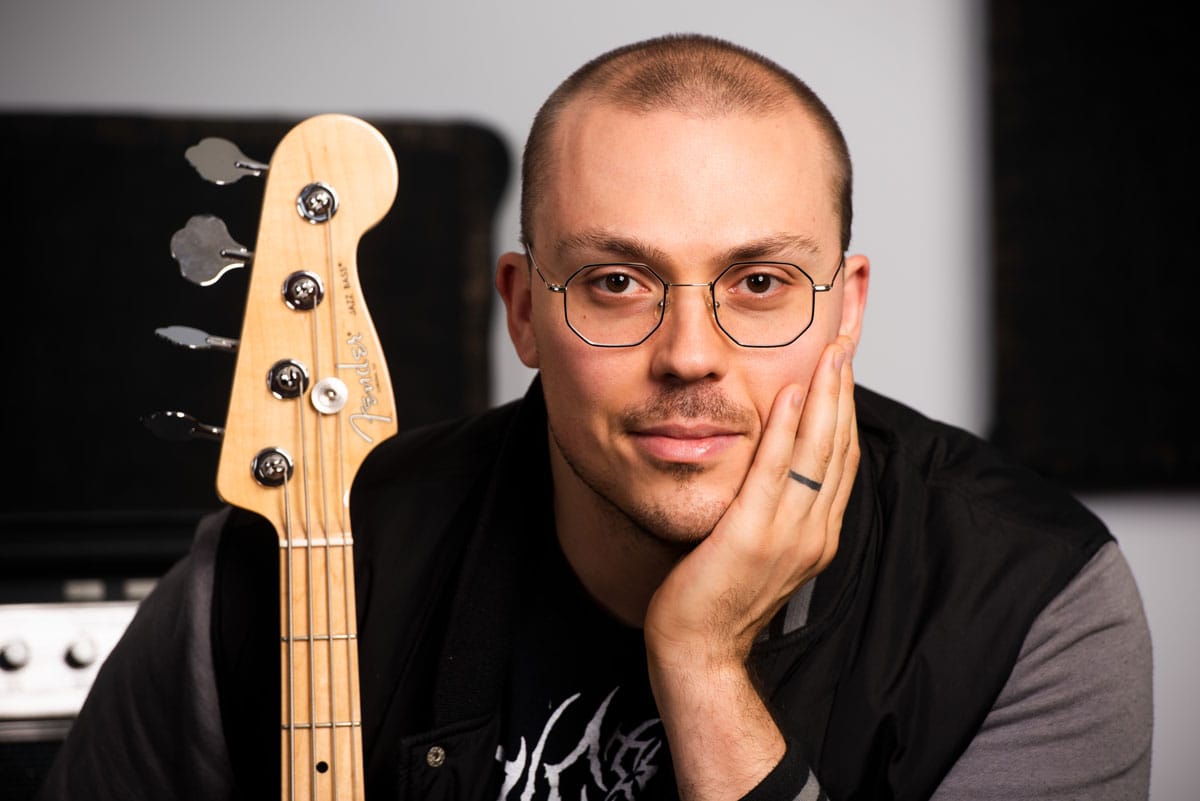
ONLINE — Anthony Fantano, the YouTube critic behind The Needle Drop, is calling on artists to unionize and demand a penny-per-stream floor as generative AI music spreads across the industry. In a Current Affairs interview, Fantano argued musicians need collective leverage to push both labels and streaming platforms toward higher pay and clearer rules, Nov. 26, 2025.
He tied the money fight to an AI fight: stop models from absorbing artists’ work without permission, credit and compensation — before synthetic soundalikes become the cheapest content in the feed.
Anthony Fantano says “evil” AI music isn’t just a gimmick
Anthony Fantano has criticized machine-made tracks for years, but his warning isn’t only about taste. In his video titled “AI Music is Evil”, he frames the boom as a labor-and-rights problem. In the interview, he said the industry still hasn’t built workable processes to ensure the artists whose catalogs train these systems are “paid or compensated or acknowledged.”
The one-cent line in the sand
Fantano’s argument is that the streaming economy has normalized a race to the bottom: most artists can’t realistically withhold their catalogs long enough to bargain, while platforms and labels negotiate behind closed doors. A union-style collective, he believes, could push for a minimum rate and benefits that treat music work like work — not a hobby subsidized by touring and merch.
In the interview, Anthony Fantano put it in plain language: “could you at least do a penny per stream?” He’s also been making the case directly to listeners. In a recent breakdown, Anthony Fantano ranked major music streaming platforms and described one cent per stream as a bare-minimum target many artists organizing against low payouts are seeking.
Why this moment feels different
The “penny per stream” idea has been circulating for years. In 2020, Vice reported on musicians demanding that standard from Spotify as part of a transparency push. In 2021, Pitchfork covered coordinated protests at Spotify offices worldwide tied to those same demands.
AI has its own recent history. In 2023, The Verge chronicled the viral “Heart on My Sleeve” fake Drake/Weeknd track and the scramble to remove it from major platforms — a preview of how quickly synthetic songs can spread.
AI deals, AI impersonators and the next battle
Universal Music Group recently settled its copyright lawsuit and agreed to build a new licensed platform with Udio, a partnership that sparked backlash and renewed worries about control and compensation, according to The Associated Press.
At the same time, platforms are being forced to police impersonation in real time. Pitchfork reported that Spotify removed AI-generated uploads impersonating King Gizzard & the Lizard Wizard after the tracks surfaced through recommendations.
Anthony Fantano’s bottom line is power: if AI music is here to stay, artists will need enforceable consent, transparent attribution and a payout floor that keeps human work from being treated as free raw material.


