

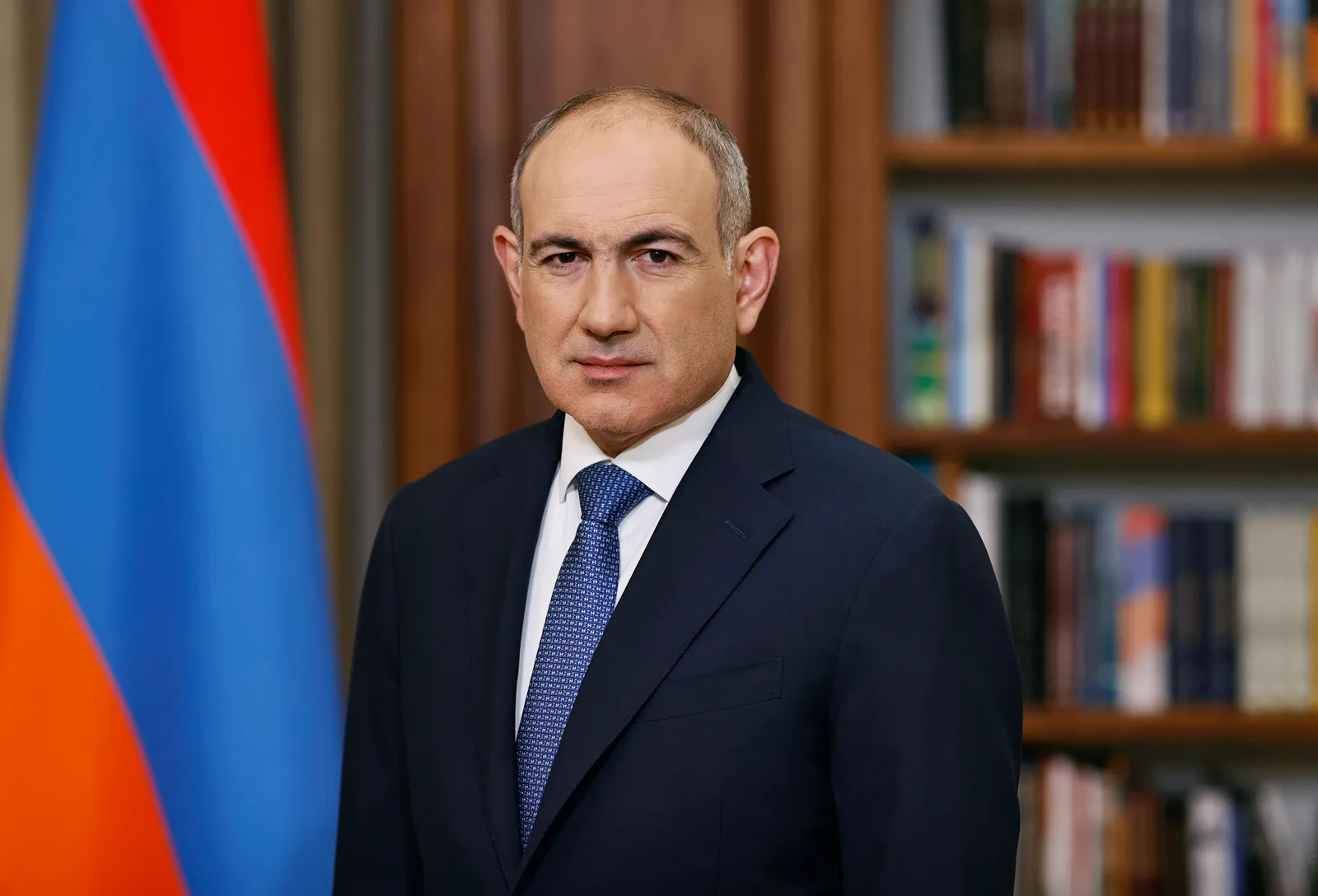
Armenia Election 2026 delivered a decisive victory for Prime Minister Nikol Pashinyan and his ruling Civil Contract party, cementing the country’s pro-West political trajectory and providing a renewed mandate for regional peace efforts and democratic reforms.
YEREVAN, Armenia — Preliminary final results released by Armenia’s Central Election Commission showed Civil Contract securing 49.81% of the vote, well ahead of the opposition Strong Armenia alliance at 23.29%. The outcome positions Pashinyan to continue governing with a parliamentary majority while reinforcing Armenia’s gradual shift away from Russian influence and toward closer ties with Europe and the United States.
Armenia Election 2026 confirms public support for Pashinyan’s agenda
The election was widely viewed as a referendum on Pashinyan’s leadership, particularly his efforts to normalize relations with Azerbaijan, pursue European integration and reduce Armenia’s long-standing dependence on Moscow.
Following the results, Pashinyan described the outcome as a “historic victory,” arguing that voters had endorsed his government’s vision for Armenia’s future. The ruling party is expected to hold approximately 61 seats in the 105-member parliament, enough to govern independently but likely short of the supermajority required for constitutional amendments.
The vote also highlighted the weakness of a fragmented opposition. Strong Armenia, led by businessman Samvel Karapetyan, emerged as the largest challenger but failed to seriously threaten Civil Contract’s dominance.
According to official election results reported by Reuters, Civil Contract finished with nearly half of all votes cast, preserving its position as Armenia’s dominant political force.
Shift toward Europe gains momentum
The result is expected to accelerate Armenia’s strategic pivot toward Western institutions. Over the past several years, Pashinyan’s government has deepened engagement with the European Union while pursuing stronger diplomatic and economic cooperation with Washington.
Relations with Russia have deteriorated significantly since Azerbaijan regained control of Nagorno-Karabakh in 2023, an event many Armenians viewed as evidence that Moscow could no longer guarantee the country’s security.
Analysts say the election result demonstrates that a significant portion of the electorate supports a more independent foreign policy despite economic and security risks associated with distancing Armenia from its traditional ally.
European leaders welcomed the outcome, with several officials describing the vote as a reaffirmation of Armenia’s democratic path. Coverage from the Financial Times noted that voters largely backed Pashinyan’s efforts to pursue peace with neighboring states while expanding ties with Western partners.
Peace process with Azerbaijan remains central challenge
While the election strengthens Pashinyan politically, major challenges remain. Chief among them is finalizing a comprehensive peace agreement with Azerbaijan following decades of conflict.
The Armenian government has argued that lasting peace could unlock new trade routes, boost foreign investment and improve regional stability. However, sensitive issues surrounding constitutional reforms, border demarcation and historical grievances continue to complicate negotiations.
Before the vote, observers described the election as a critical moment for determining whether Armenia would continue along its current diplomatic course. Analysis published by Reuters ahead of election day framed the contest as a choice between deeper Western engagement and a return to closer alignment with Russia.
How Armenia arrived at this moment
The significance of Armenia Election 2026 becomes clearer when viewed against the country’s recent political history.
In 2018, Pashinyan rose to power through the peaceful “Velvet Revolution,” promising anti-corruption reforms and democratic modernization. His party subsequently won a strong parliamentary mandate in the 2021 election despite political fallout from the 2020 Nagorno-Karabakh war.
Over the following years, Armenia increasingly diversified its foreign partnerships. The government launched an EU accession process, expanded cooperation with Western governments and openly questioned the effectiveness of Russian-led security arrangements.
For additional historical context, readers may review earlier analysis of the geopolitical stakes surrounding the 2026 election, as well as broader coverage of Armenia’s post-war political transformation from 2023 through 2025.
Reuters: Armenia’s geopolitical realignment and election stakes (May 2026)
Reuters: Armenia’s response to the 2023 Nagorno-Karabakh crisis
Financial Times: Armenia’s evolving relationship with Russia and Europe
International coverage of the 2018 Velvet Revolution and subsequent democratic reforms
What comes next after Armenia Election 2026?
Pashinyan’s renewed mandate provides political stability at a time of considerable regional uncertainty. However, voters will expect tangible results on economic development, national security and diplomatic normalization.
Although the ruling party remains dominant, opposition parties retain enough parliamentary representation to challenge major constitutional changes and scrutinize government policy.
International observers will now focus on whether the strengthened government can translate electoral success into durable peace agreements, deeper economic integration with Europe and sustained democratic reforms.
Reporting from Euronews described the result as a powerful endorsement of Armenia’s current geopolitical direction, while analysts noted that the country’s balancing act between regional powers remains one of the most consequential political stories in the South Caucasus.
For now, Armenia Election 2026 stands as a clear victory for Nikol Pashinyan, giving his government another opportunity to reshape the nation’s future while navigating one of the most complex geopolitical environments in Eurasia.


