
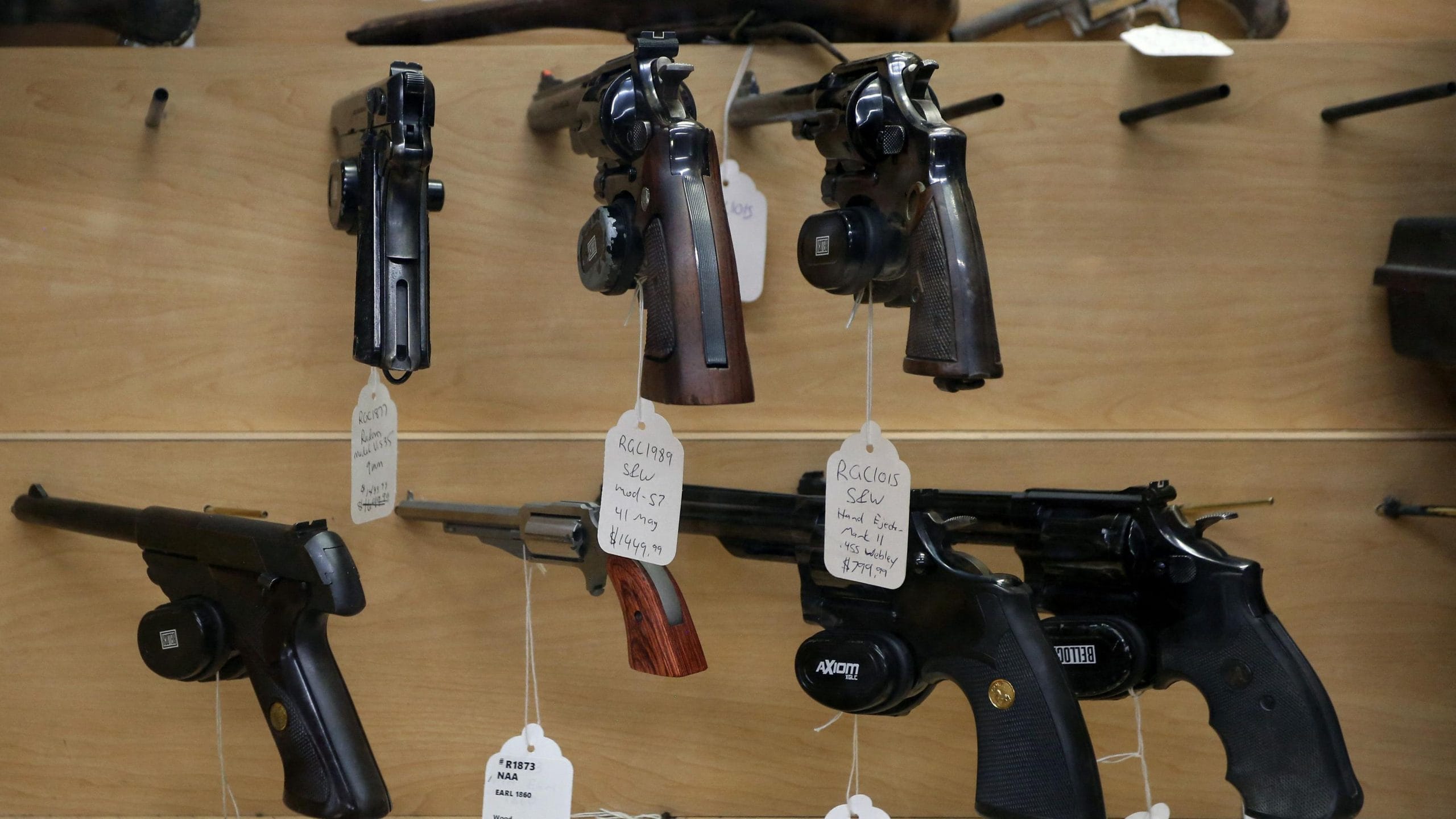
OTTAWA, Ontario — Lawful Canadian owners of newly prohibited “assault-style” firearms have until March 31 to declare them for a federal compensation program, the next step in a sweeping effort to curb guns in Canada. The move puts Canada gun ownership — and the promise of a government-paid buyback — back at the center of politics as the country counts about 2.4 million firearm license holders, Feb. 12, 2026.
The clock is tied to a declaration window that opened in January and closes at the end of March, with owners required to file in time to be considered for collection and compensation. The federal guidance for the process is laid out in Public Safety Canada’s “Start your declaration” instructions, which warns that filing early could matter because funding is limited.
Public Safety Minister Gary Anandasangaree framed the policy as a removal effort aimed at preventing future tragedy, saying, “Assault-style firearms do not belong in our communities,” while urging owners to declare prohibited guns before the deadline. The details of the national launch, including the March 31 cutoff and the Oct. 30, 2026, end of the amnesty period, are spelled out in the federal news release announcing the compensation program’s opening to individuals.
Canada gun ownership and the March 31 buyback declaration deadline
For Canada gun ownership households affected by the prohibitions, the March 31 date is a gateway. A declaration is the first step; it does not guarantee payment. Officials say declarations will be evaluated largely in the order they’re received, and accepted based on available funds. After the declaration period ends, eligible participants would be directed to schedule a collection appointment through the program for validation and destruction, according to the government.
The declaration applies to firearms and devices that were prohibited in waves — including May 2020 and later additions in December 2024 and March 2025 — meaning not every licensed owner is affected. Many firearms used for hunting and sport shooting remain legal, and the government has said thousands of non-restricted makes and models are still available.
March 31, 2026: Deadline to submit an online declaration, or postmark a paper declaration, to be considered for compensation.
After March 31: Approved participants move to scheduling collection and completing paperwork for payment.
Oct. 30, 2026: Amnesty period ends; owners who do not participate must have disposed of or permanently deactivated prohibited firearms and devices.
Supporters of the crackdown argue the rules are a public-safety backstop in a country where mass shootings have repeatedly reshaped policy debates. Critics counter that the measures burden compliant owners and do little to stop criminals who use smuggled or illegally obtained guns — a split that has become a defining tension in Canada gun ownership politics.
Canada gun ownership by the numbers: why 2.4 million licence holders matter
Canada gun ownership begins with licensing, safety training and federal oversight through the Canadian Firearms Program. In its latest annual report, the RCMP said Canada had 2,412,122 valid Possession and Acquisition Licences as of Dec. 31, 2024 — a figure that underscores how broadly the policy debate touches licensed owners, even though only a subset possess newly prohibited guns. The totals are published in the RCMP’s 2024 Commissioner of Firearms Report.
Still, Canada gun ownership is not evenly distributed. It is more common in rural areas where hunting and recreational shooting are part of daily life. A broader look at civilian gun prevalence — including estimates of how many firearms are in private hands — comes from a Reuters explainer on how widespread gun ownership is in Canada, which notes that gun violence remains far lower than in the United States even as Canada tightens restrictions.
That contrast fuels the argument on both sides: proponents point to prevention and fewer high-capacity firearms in circulation, while opponents argue Canada gun ownership was already tightly regulated and that enforcement should focus more on trafficking and repeat violent offenders.
How Canada gun ownership got here: a quick timeline of tighter rules
Canada gun ownership policy has shifted in bursts, often after headline events and intense political pressure. Three moments show how the current buyback deadline fits into a longer arc:
May 1, 2020: After the Nova Scotia mass shooting, Canada moved to ban “assault-style” firearms, a turning point covered in a Reuters report on the aftermath of the country’s deadliest shooting.
Oct. 21, 2022: A national freeze on handguns took effect, limiting new domestic sales and transfers — a step detailed in Reuters coverage of the handgun freeze regulations.
Dec. 5, 2024: The prohibited list expanded again as Canada banned additional firearm models and floated the idea of donating some banned guns overseas, according to an Associated Press report on the 2024 expansion.
Those steps set the stage for today’s compensation program: a policy that aims to push prohibited firearms out of civilian circulation while attempting to offer payment for compliance — and one that keeps Canada gun ownership in the political crosshairs.
What happens if owners miss the deadline
The federal government describes participation in the compensation program as voluntary, but insists compliance with the law is not. That distinction matters for Canada gun ownership: missing the declaration window could close off the compensation pathway while leaving owners with the same legal obligation to dispose of or permanently deactivate prohibited firearms before the amnesty ends.
For many licensed owners, the urgency is practical as well as legal: a tight deadline, an online declaration process, and uncertainty about how quickly collection capacity and program funds can match demand. As Canada gun ownership advocates and gun-control groups trade blame, the March 31 cutoff is becoming a test of whether Ottawa can turn a controversial policy into an orderly rollout.
Where Canada gun ownership goes next may hinge on two questions the deadline can’t settle: whether the buyback reduces the risk of mass-casualty shootings, and whether a divided country can agree on what firearms should remain legal — and for whom — in the first place.