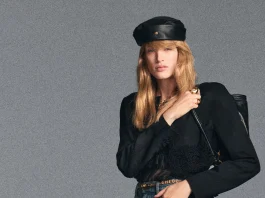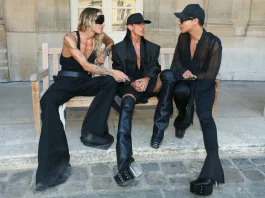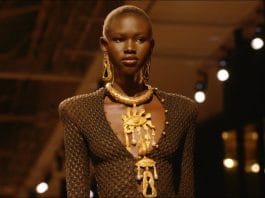
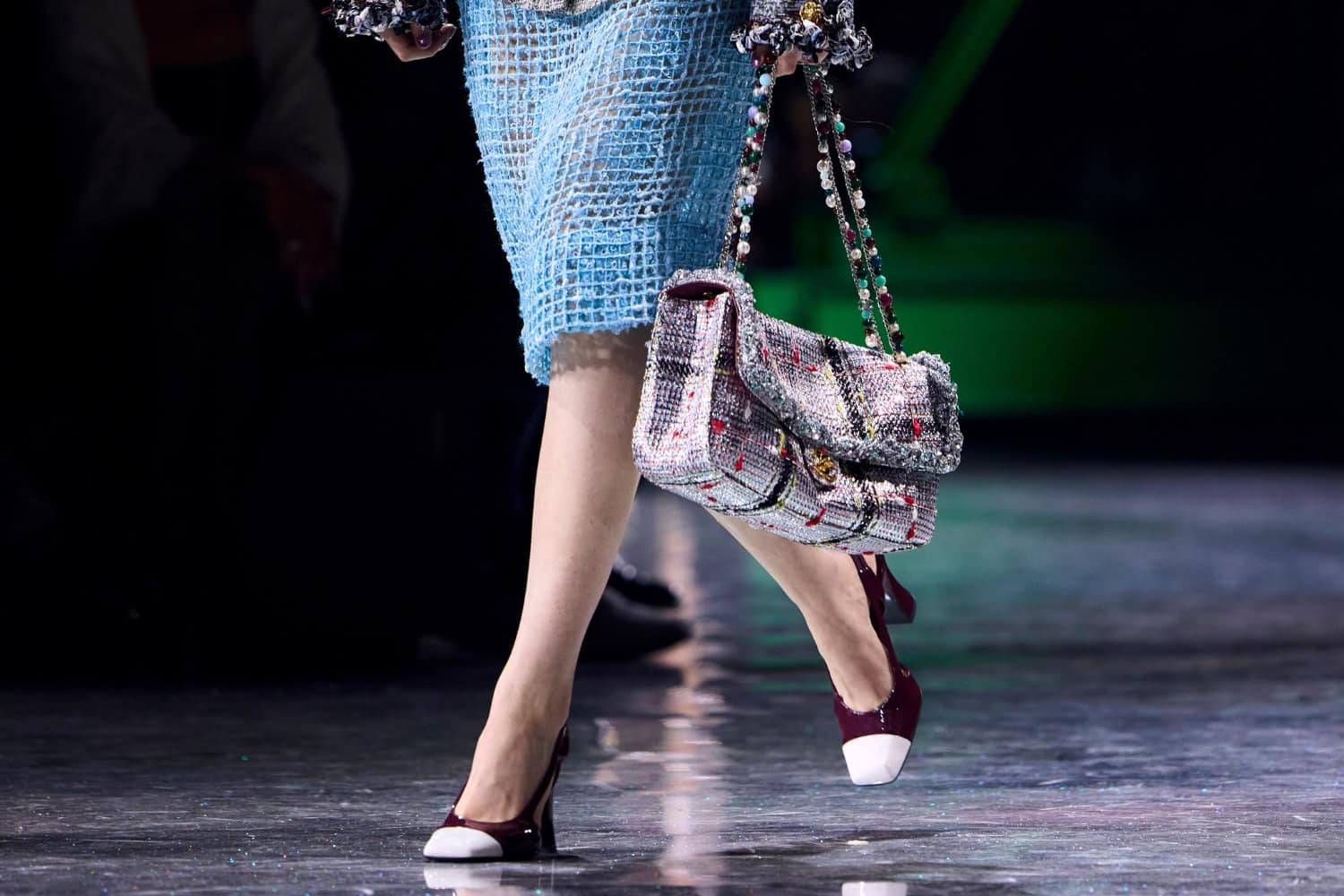
Chanel Fall 2026 turns heritage into movement
The collection’s message was clear from the start: Chanel is not abandoning its codes, but it is no longer handling them with gloves. The house framed the season as a dialogue between Gabrielle Chanel and Blazy, moving through “day and night” and “simplicity and iridescence,” according to Chanel’s official Fall Winter 2026 collection page. That phrasing mattered because the clothes themselves played out the contrast: practical knitwear, softened tailoring and familiar tweeds on one side; shimmering evening surfaces, gauzy dresses and luminous textures on the other.
Blazy’s power move was not simply making the Chanel suit bigger, louder or more aggressive. It was more surgical than that. He treated the suit as structure, memory and product all at once, then shifted its center of gravity. Jackets became blousons and work shirts. Knits took over some of the role once held by tweed. Waistlines slipped lower. The result felt less like a costume of authority and more like a living uniform for women who do not need stiffness to project control.
How Chanel Fall 2026 rebuilds the iconic suit
The most important change was proportion. ELLE described the collection’s dramatic drop-waist silhouettes as a key focus, connecting them to both 1920s flapper lines and Gabrielle Chanel’s sportswear instincts. That low-slung attitude gave the collection a youthful charge without reducing it to trend-chasing. Belts sat at the hip. Sweater vests stretched long. Pleated skirts moved with the body instead of locking it into a polished pose.
In the suit passages, Blazy pulled the Chanel archetype away from polite round collars and bracelet sleeves. W noted how he transformed the bouclé tweed suit into more masculine-coded work shirts and blousons, expanding the house’s vocabulary while keeping the garment recognizable. That tension made the collection persuasive: The suit was still Chanel, but it was no longer frozen in the expected Chanel silhouette.
The deconstruction was also literal. AnOther’s review called the recalibration deep and trenchant, pointing to Chanel suits that appeared pulled apart to their tweedy bones. Rawer edges, lighter construction and exposed ideas made the clothes feel researched rather than decorative. Blazy was not just styling the suit differently; he was asking what still makes it powerful once the padding, ritual and nostalgia are stripped away.
A new Chanel chapter with older foundations
That approach fits the job Blazy was hired to do. Vogue reported his appointment as Chanel artistic director in December 2024, noting that he would oversee haute couture, ready-to-wear and accessories. From the beginning, the assignment was bigger than refreshing a runway. It was about giving one of fashion’s most powerful houses a new creative grammar after Virginie Viard’s exit and the long shadow of Karl Lagerfeld.
The suit is the right place to start because it has always been more radical than its polished image suggests. The Met’s entry on a Chanel suit traces the design’s signature post-1954 elements, including braid, gilt buttons and soft tweed, while emphasizing ease and comfort. In other words, the original point was not decoration. It was freedom of movement.
The V&A’s history of Gabrielle Chanel’s modern wardrobe makes the same case from another angle, describing the postwar Chanel suit as practical, wearable and instantly smart at a time when Christian Dior’s New Look dominated fashion with more constructed shapes. Blazy’s Fall 2026 collection succeeds because it remembers that the suit was never meant to be precious. It was meant to let women move.
The butterfly effect and the day-to-night shift
Blazy’s wider theme gave the tailoring a poetic charge. Vogue Scandinavia framed the collection around fashion’s duality: the practical and the fantastical, the caterpillar and the butterfly. That idea came through in the way the show moved from grounded daytime pieces into iridescent fabrics, beaded knit suits and fluid eveningwear. The transition did not feel like a separate evening section; it felt like the same woman changing state.
That is why the collection lands as a power move. Blazy is not trying to erase the Chanel suit or shock it into irrelevance. He is making it useful again by changing its posture. The jacket can be lighter. The skirt can sit lower. The tweed can be questioned. The evening pieces can shimmer without becoming costume. The suit can still carry the weight of the house, but it no longer has to carry it in the same old shape.
Why the Chanel suit feels powerful again
Chanel Fall 2026 works because it understands that heritage is strongest when it is under pressure. Blazy took the brand’s most recognizable uniform and made it less fixed, less formal and more alive. In doing so, he gave Chanel a convincing next step: a house still built on the suit, but no longer trapped inside it.