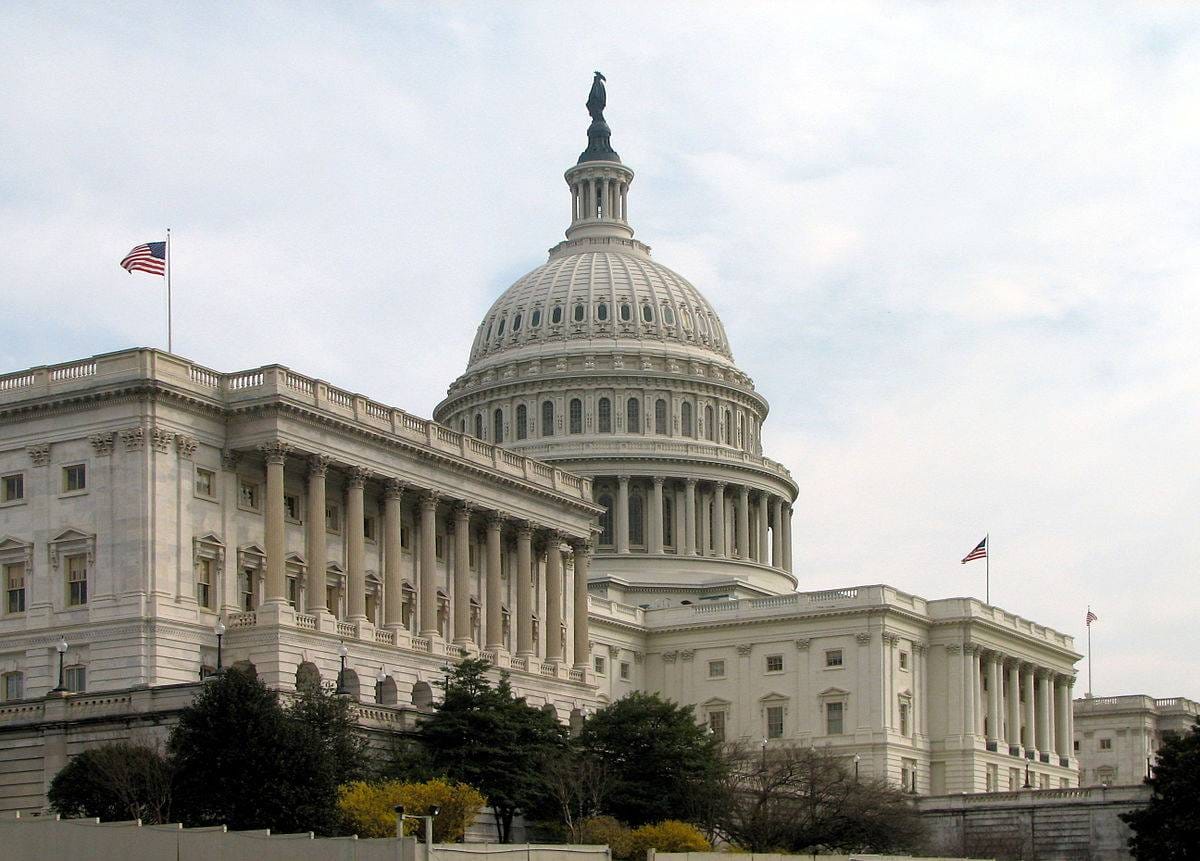
WASHINGTON — Congress moved quickly to end a costly Department of Homeland Security funding lapse, extend a disputed surveillance authority and restrict lawmakers’ use of prediction markets before leaving town, April 30, 2026. The sprint reflected mounting pressure from federal operations, national security deadlines and ethics concerns over officials betting on events they could influence.
Congress closes DHS gap while leaving immigration fight unresolved
President Donald Trump signed legislation funding most of DHS after lawmakers cleared a bipartisan measure that restored money for agencies including the Transportation Security Administration, FEMA, the Secret Service, the Coast Guard and the Cybersecurity and Infrastructure Security Agency, according to Reuters.
The deal did not settle the larger immigration enforcement dispute. Instead, Republican leaders separated funding for Immigration and Customs Enforcement and Customs and Border Protection from the broader DHS package, preserving a path to pursue those dollars through a separate budget process.
The shutdown revived memories of the 2018-19 partial government shutdown, when a border wall fight also strained federal workers and public services. At the time, a Reuters account of the widening shutdown impact showed how quickly funding lapses can spill into airport operations, food inspections and employee paychecks.
FISA extension buys 45 days for surveillance debate
Lawmakers also approved a 45-day extension of Section 702 of the Foreign Intelligence Surveillance Act, avoiding an immediate lapse in the surveillance authority while postponing a broader fight over privacy safeguards and warrant requirements. The temporary extension followed disputes over whether to attach long-term changes and unrelated policy provisions, The Washington Post reported.
Section 702 allows U.S. intelligence agencies to collect communications of foreign targets abroad, though critics have long objected to the incidental collection and later searching of Americans’ communications. That debate has followed Congress for years. In 2024, lawmakers renewed the program shortly before a deadline, with The Associated Press reporting on the last-minute reauthorization after a similarly tense debate over national security and civil liberties.
Senate prediction-market ban adds ethics marker
The Senate unanimously approved a rule barring senators, staff members and officers from using prediction markets to bet on real-world events, a move driven by concerns that officials could profit from nonpublic information. The chamber acted after scrutiny of wagers tied to government action and geopolitical events, AP reported.
Sen. Alex Padilla, D-Calif., said the Senate adopted his amendment expanding the restriction to staff, according to his office’s announcement. The change turned the measure from a member-only restriction into a broader chamber ethics rule.
Prediction markets had already drawn regulatory scrutiny before the Senate vote. In 2022, the Commodity Futures Trading Commission said Polymarket operated an unregistered event-based binary options market and ordered the company to pay a civil penalty, according to the CFTC enforcement release.
Fast action, unfinished business
The flurry of votes gave lawmakers a short-term political reset but left major questions unresolved. DHS immigration enforcement funding, a long-term FISA rewrite and broader federal rules for prediction markets remain open fights.
A Christian Science Monitor account of the congressional sprint described the day as a burst of action before recess, underscoring how deadline pressure can force movement on unrelated but urgent issues.
For now, Congress has reopened most of DHS, kept a major surveillance tool alive and drawn a new ethics line around political betting. The next test is whether lawmakers can turn those temporary fixes into durable policy before the same disputes return.