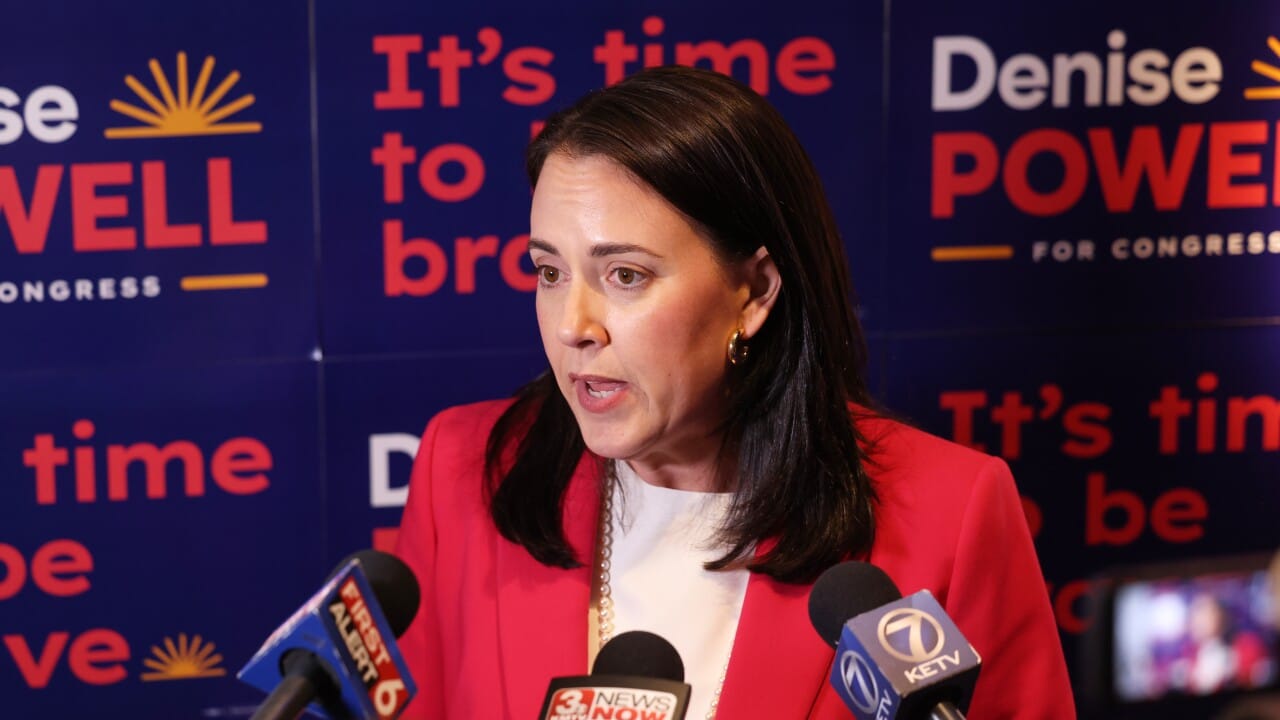
Denise Powell emerges victorious in Nebraska ‘blue dot’ race
Powell’s campaign centered on economic affordability, rural health care access, and agricultural policy, issues that resonated across a district often considered competitive in statewide and federal elections. Her victory is being viewed by Democratic strategists as a signal that targeted suburban and rural outreach efforts may be gaining traction in key battleground areas ahead of the midterm cycle.
Republicans, meanwhile, had hoped to flip the seat by tying Powell to broader national debates over inflation, border security, and federal spending. The race remained competitive through election night, with turnout in several counties exceeding expectations, according to local election officials.
Denise Powell and shifting House dynamics
Democratic leadership has pointed to Powell’s win as part of a broader strategy to reclaim a House majority in upcoming elections. While control of Congress remains closely divided, races like Nebraska’s highlight the importance of localized campaigns in districts that do not consistently align with national voting trends.
Political analysts note that so-called “blue dot” districts—areas that lean Democratic in otherwise conservative states—have become increasingly important indicators of electoral momentum. Powell’s performance is expected to influence how both parties allocate resources in future battleground contests.
Broader national context
The Nebraska result comes amid continued national focus on House competitiveness, with both parties investing heavily in contested districts across the Midwest and Sun Belt. Analysts suggest that candidate quality, local issues, and turnout operations are likely to play decisive roles in determining control of the chamber.
Coverage of shifting House battleground dynamics has been a consistent theme in national political reporting, including ongoing analysis by outlets such as
Reuters U.S. political coverage, which has tracked competitiveness in suburban and rural districts across multiple election cycles.
Similarly,
POLITICO’s political reporting has highlighted the growing importance of district-level campaigning as national parties refine their electoral strategies heading into critical midterm contests.
Long-term shifts in voter behavior and congressional map competitiveness have also been widely examined in
The New York Times Politics section, particularly in analyses of suburban voting trends and swing district outcomes.
What comes next
With Powell’s victory now projected, attention turns to how both parties interpret the outcome in shaping future campaign strategy. Democrats are expected to intensify investment in similar districts, while Republicans are likely to reassess messaging and turnout operations in areas where margins have tightened.
Election officials are expected to certify final results in the coming days.