

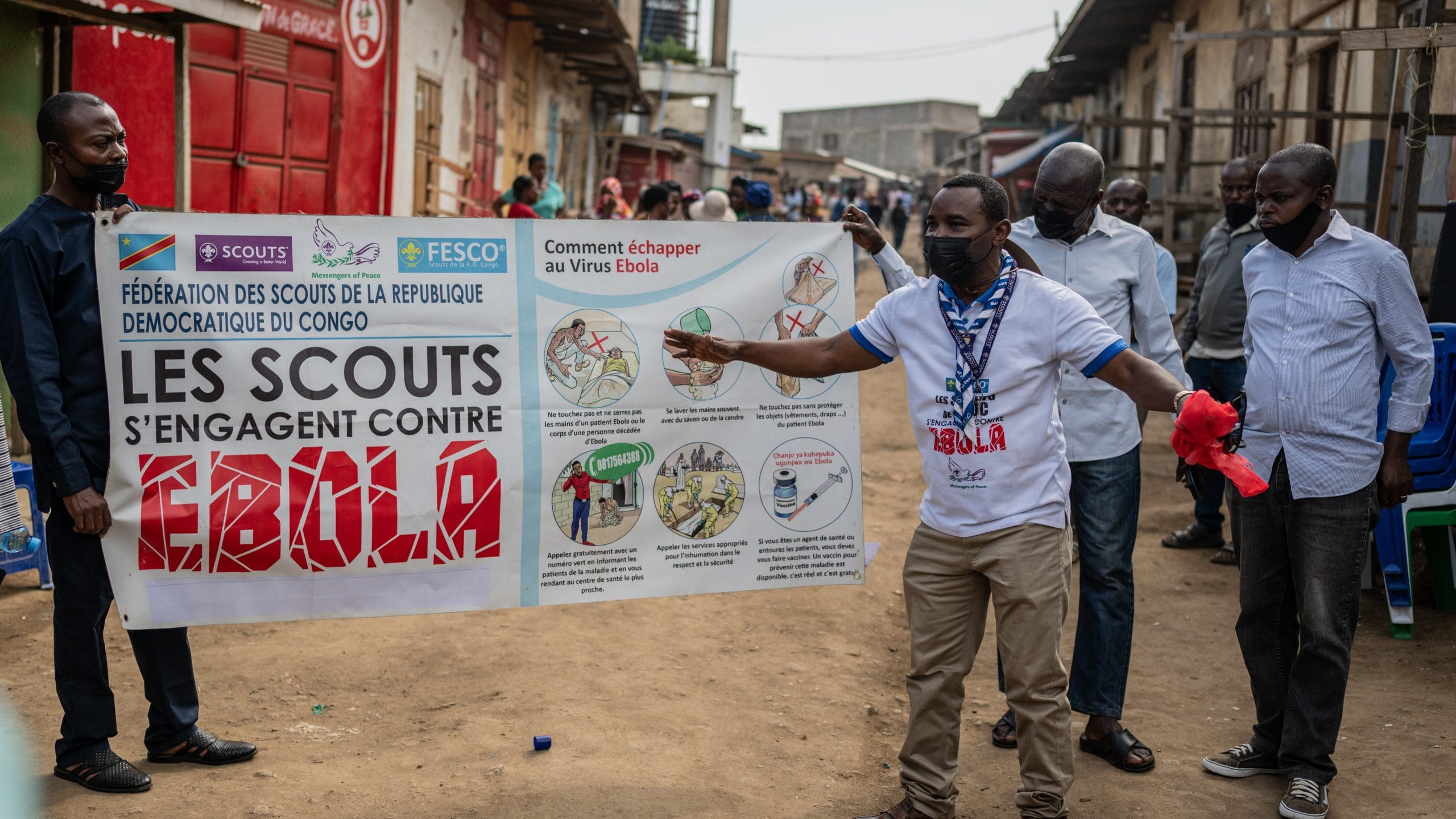
Kinshasa, Democratic Republic of the Congo — May 31, 2026. A growing reduction in international health funding is straining Ebola response efforts across the Democratic Republic of the Congo (DRC), raising concerns among aid agencies and health officials that weakened surveillance and slower outbreak containment could reverse years of progress against the virus. The cuts come as the country continues to manage recurring Ebola threats in remote and conflict-affected regions where healthcare access remains limited.
Ebola aid cuts DRC deepen pressure on outbreak response systems
Health experts warn that Ebola aid cuts DRC are affecting everything from rapid testing capacity to community outreach programs that are essential for early detection and containment. The World Health Organization has repeatedly emphasized that sustained funding is critical to maintaining laboratory networks, vaccination drives, and emergency response teams in high-risk zones.
According to WHO outbreak monitoring, Ebola remains a persistent threat in the region due to its zoonotic nature and the difficulty of maintaining continuous surveillance in remote areas. The organization has documented multiple outbreaks in the DRC over the past decade, underscoring the need for long-term investment rather than short-term emergency funding cycles. WHO Ebola outbreak reports from the Democratic Republic of the Congo highlight how quickly gaps in funding can translate into delayed response times and increased transmission risks.
Humanitarian groups say the funding decline is already being felt on the ground, with reduced support for frontline health workers, contact tracing teams, and vaccination logistics in hard-to-reach communities.
Historical outbreaks highlight recurring vulnerability
The DRC has faced multiple Ebola outbreaks in recent years, including one of the largest recorded between 2018 and 2020. That outbreak required a massive international response involving vaccination campaigns and coordinated field operations.
U.S. health authorities have previously noted that sustained monitoring and rapid deployment capacity are essential to preventing localized outbreaks from escalating. CDC Ebola virus disease information and outbreak history in DRC provides background on the country’s repeated exposure to Ebola and the evolving nature of containment strategies.
In earlier reporting cycles, United Nations agencies also warned that instability and logistical constraints in eastern DRC complicate outbreak control efforts. UN News coverage of Ebola-related developments in the region has documented how insecurity and limited infrastructure continue to challenge response operations.
Humanitarian organizations warn of widening gaps
Medical humanitarian organizations operating in the region say reduced donor funding is limiting their ability to sustain emergency preparedness programs. These include training local health workers, maintaining isolation units, and supporting vaccination cold-chain systems.
Groups such as Médecins Sans Frontières have repeatedly emphasized that Ebola control depends on rapid response and community trust, both of which require consistent investment.
Analysts also point to broader global health financing trends that have shifted resources away from long-term outbreak preparedness. Institutions like the World Bank health emergency have supported emergency health systems strengthening initiatives, but experts warn that inconsistent funding cycles remain a major vulnerability.
Outlook for Ebola preparedness in the DRC
Public health officials caution that without renewed and sustained funding commitments, the DRC’s ability to respond quickly to Ebola flare-ups may weaken significantly. This could increase the likelihood of localized outbreaks spreading before containment measures are fully implemented.
Despite these challenges, surveillance networks and vaccination programs developed over the past decade continue to provide a critical foundation for outbreak response. Experts say maintaining and expanding these systems will be essential to preventing future crises.


