

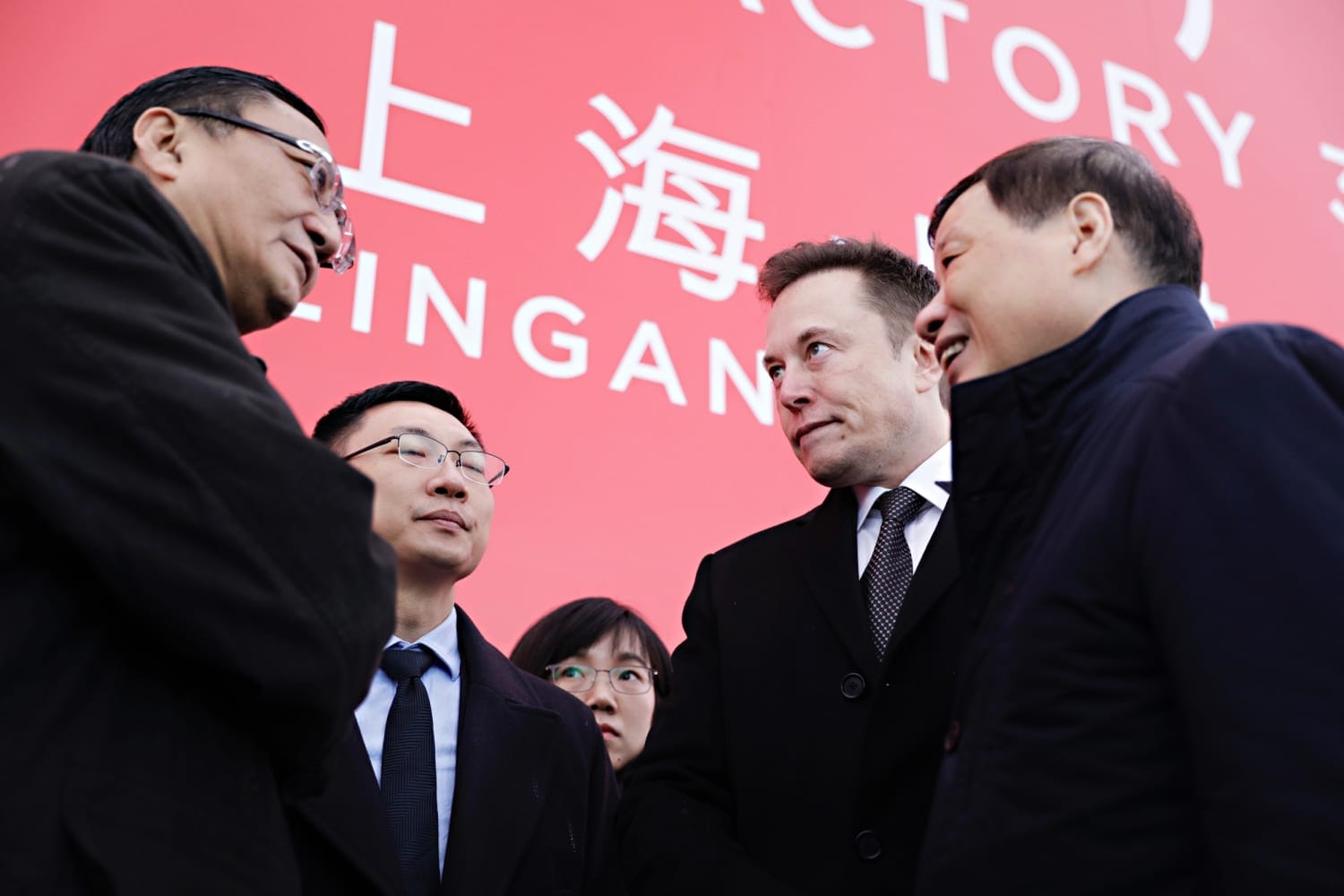
The developments come as both sides continue to trade claims in a high-profile trial framework that has evolved alongside Musk’s public statements and international business engagements, including his widely reported travel to China and meetings tied to Tesla operations and artificial intelligence policy discussions.
Elon Musk China Trip and its legal ripple effects
Musk’s China visit has previously attracted global attention due to its implications for Tesla’s market strategy and broader U.S.-China tech relations. During a 2024 trip, Musk met with senior Chinese officials, a visit widely covered in international media, including reporting by
Reuters on Tesla’s self-driving discussions in Beijing. Analysts now suggest that such diplomatic and business engagements are being referenced indirectly in court arguments involving Musk’s competing AI ventures.
Earlier reporting by the
BBC on Musk’s China meetings highlighted how regulatory cooperation between Tesla and Chinese authorities has historically influenced broader technology negotiations, particularly in artificial intelligence and autonomous driving systems.
OpenAI dispute escalates into courtroom confrontation
The legal conflict between Musk and OpenAI has been developing since 2024, when Musk filed suit alleging deviation from the company’s original nonprofit mission. According to
The New York Times coverage of the lawsuit filing, Musk argued that OpenAI’s leadership structure had shifted toward commercial priorities inconsistent with its founding principles.
The case gained further complexity as governance disputes intensified, with reporting from the
Wall Street Journal detailing tensions between OpenAI’s board and Musk, including disagreements over oversight and the role of private investment in artificial intelligence development.
Legal analysts say the case has become a defining example of how early-stage AI governance decisions are now being tested in courtrooms, as competing narratives about innovation, safety, and profit continue to collide.
Judicial procedures under scrutiny
Recent filings have also brought attention to procedural developments, including what some legal observers describe as a judge’s recall-related order or administrative directive affecting scheduling and evidentiary submissions. While details remain limited, the move has prompted discussion among legal commentators about transparency in high-profile technology cases.
Background reporting from
The Verge’s analysis of the OpenAI lawsuit provides additional context on how procedural disputes have shaped the pace and scope of litigation since its filing.
Broader implications for AI governance
The convergence of Musk’s international business activity, including his China trip, and ongoing legal disputes underscores growing global tensions in artificial intelligence regulation. Experts say the case could influence how courts interpret nonprofit commitments in rapidly commercializing AI sectors.
As proceedings continue, both Musk’s legal team and OpenAI representatives are expected to submit additional arguments addressing governance structure, fiduciary responsibility, and the boundaries between research missions and commercial deployment.


