

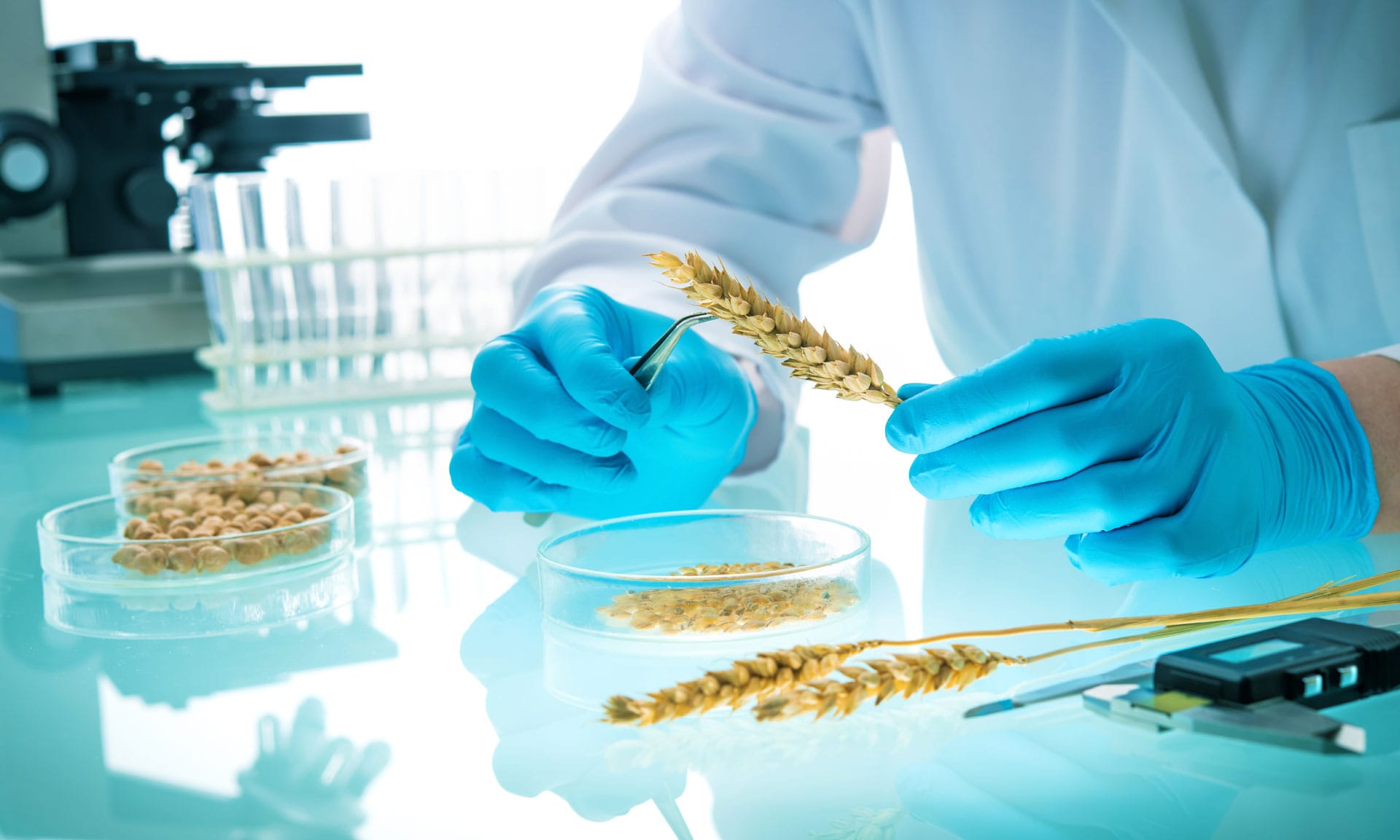
BRUSSELS — European Union negotiators reached a provisional agreement Thursday to overhaul the bloc’s rules for gene-edited crops, treating many new genomic technique plants as equivalent to conventional varieties while confirming that only their seeds — not foods — will be labelled and that herbicide-tolerant traits are excluded from the light-touch regime. The deal, struck in overnight talks between the Council of the EU and the European Parliament, is designed to speed climate-resilient plant breeding, bolster the agrifood sector’s competitiveness and update two-decade-old GMO legislation, Dec. 4, 2025.
What does the deal change for gene-edited crops
Under the compromise, so-called NGT1 plants — gene-edited crops deemed comparable to conventional varieties — will face a simplified notification process instead of full GMO-style authorisation, and food products from those plants will not carry special labels in supermarkets. National authorities will verify NGT1 status, but once a variety is cleared, its progeny can be traded across the single market, and only seeds and other reproductive material will have to be labelled so operators can maintain NGT-free supply chains if they wish, according to a Council press release on the NGT deal.
The exclusion list agreed by lawmakers means gene-edited crops with herbicide tolerance or the production of known insecticidal substances cannot be placed in NGT1 at all and will instead fall under the stricter NGT2 regime, which keeps existing EU GMO rules, including mandatory risk assessment and product labelling. Member states will be allowed to ban cultivation of NGT2 plants on their territory and to introduce coexistence measures to limit unintended mixing with organic or conventional fields, reflecting safeguards first floated in the Council’s negotiating mandate.
Patents have been among the most politically sensitive issues surrounding gene-edited crops. The regulation leaves the EU’s biotech patent directive formally unchanged but will require companies registering NGT1 varieties to declare all relevant patents in a public EU database and foresees an expert group on patents and plant breeding, while the European Commission must later assess how intellectual property rules affect breeders, seed access and innovation before proposing any further reforms.
Years of negotiation over new genomic techniques
This week’s provisional accord caps a legislative process that began when the European Commission tabled its proposal for plants produced by certain new genomic techniques in July 2023, introducing the two-tier NGT1–NGT2 system and arguing that some gene-edited crops should no longer be regulated like traditional GMOs because their genetic changes could also occur naturally. That blueprint, outlined in the original 2023 Commission proposal on new genomic techniques, formed part of the EU’s Farm to Fork and Biodiversity strategies and set the stage for years of argument over how far to relax controls without losing traceability and public trust.
In early 2024, the European Parliament adopted a negotiating position that retained the same categories but called for mandatory labelling of all NGT products and a full ban on patents for NGT plants, reflecting concerns among many lawmakers that large seed companies could dominate the market. National governments, by contrast, coalesced in 2025 around a mandate that favoured lighter labelling for gene-edited crops — seeds labelled but not food — while tightening the exclusion of herbicide-tolerant traits, a divergence documented in the European Parliament’s legislative file on NGT plants and Council briefings, and ultimately leading to the compromise now on the table.
Outside the EU institutions, organic and environmental organisations have warned for years that removing labels from gene-edited crops could undermine consumers’ right to choose and make contamination harder to trace. A 2024 analysis by organic-farming group IFOAM Organics Europe highlighted petitions signed by more than 420,000 citizens, questioned the scientific basis for treating many NGT1 plants as equivalent to conventional ones, and called for full traceability and labelling across all NGT categories.
What comes next for farmers and consumers
If the text is translated and legally scrubbed without major changes, Parliament and Council still need to give it a final green light in second-reading votes before the regulation can enter into force. Until then, gene-edited crops remain subject to the current, stricter GMO framework, and member states will continue to manage approvals on a case-by-case basis, even as media, such as a recent report by Deutsche Welle, stress that the political direction is now clear.
For EU farmers and consumers, the practical impact will depend on how quickly breeders bring new varieties to market and how retailers respond to products that are genetically tweaked but no longer labelled as such. Supporters say the deal sends a strong signal that Brussels wants to harness new genomic techniques to cut emissions and input use, making gene-edited crops a mainstream tool against climate stress, while critics warn it could shift power further toward patent holders and deepen public scepticism if people feel these products are being pushed through without sufficient transparency.


