

Rising Pressure on Energy Markets
The latest surge is driven by volatile fossil fuel prices, geopolitical tensions, and ongoing supply chain disruptions. These factors have tightened global energy flows and increased import costs across EU member states.
EU Emergency Response Package
The European Commission has expanded a coordinated response package that includes:
- Targeted subsidies for vulnerable households
- Temporary tax relief measures
- State-aid frameworks for affected industries
Officials say these tools are designed to contain short-term price shocks while avoiding long-term inflation risks.
Long-Term Energy Strategy
The EU is also accelerating structural reforms to reduce dependence on imported fossil fuels. These include:
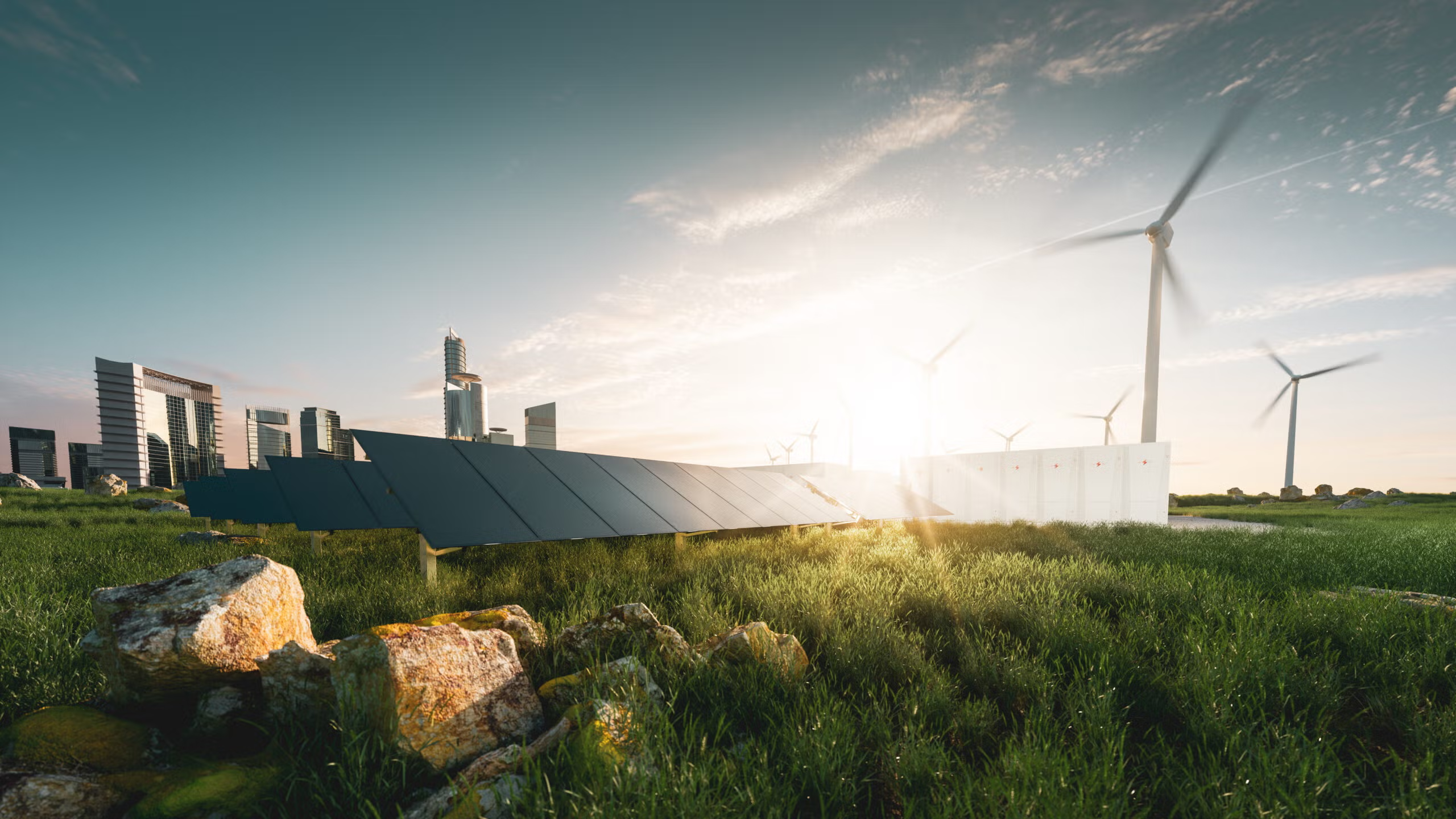
- Expansion of renewable energy infrastructure
- Cross-border electricity grid integration
- Diversification of global energy supply routes
Legacy of the 2022 Energy Crisis
Europe continues to deal with financial aftereffects from the 2022–2023 energy crisis, when emergency spending reached hundreds of billions of euros following disruptions to Russian gas supplies.
Policy Shift Toward Targeted Relief
Policymakers now emphasize targeted, time-limited support rather than broad subsidies. Officials warn that blanket energy price controls may worsen inflation and delay the shift toward cleaner energy systems.
Outlook
While energy markets have stabilized compared to peak crisis levels, volatility remains high. Analysts warn that without faster renewable adoption and stronger energy infrastructure, Europe could continue facing recurring cost spikes.


