

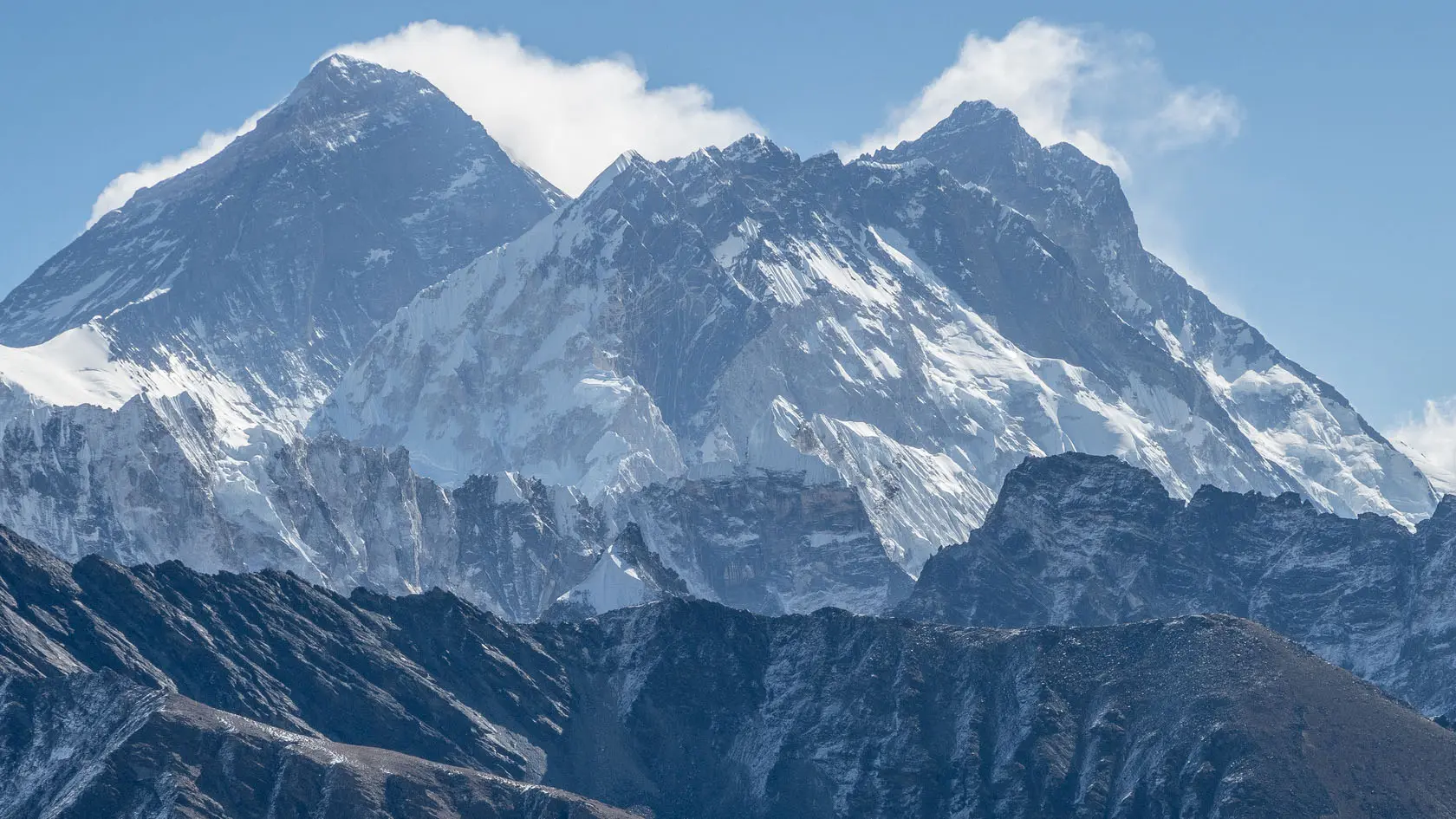
A Nepali mountain guide who vanished high on Mount Everest has been found alive after surviving nearly six days alone without food, water, or supplemental oxygen, in what climbers are calling one of the most remarkable high-altitude survival stories in recent memory.
Dawa Sherpa, 52, disappeared while descending from the world’s highest peak near the end of Nepal’s spring climbing season. After days of uncertainty and growing fears that he had perished, the veteran guide was discovered crawling toward Everest Base Camp by a cleanup team working near the Khumbu Icefall.
The dramatic Everest Sherpa Rescue has sparked celebration across the mountaineering community while also raising questions about search-and-rescue procedures for guides working on the mountain.
Everest Sherpa Rescue shocks the climbing world
Dawa Sherpa was last seen on May 29 while descending between Camp III and Camp IV after a summit attempt with a Polish climber. While his client successfully returned to base camp, Sherpa never arrived, triggering concern among family members and expedition operators.
For nearly a week, there was no sign of the experienced guide. Family members reportedly feared the worst and had begun preparing funeral rites before receiving news that he had been found alive.
The breakthrough came when members of the Sagarmatha Pollution Control Committee (SPCC), who were dismantling equipment and cleaning the mountain after the season’s close, spotted Sherpa crawling near the Khumbu Icefall. He was immediately assisted, brought to safety, and later airlifted to a hospital in Kathmandu.
According to reports from Reuters, Sherpa survived nearly a week alone in one of the world’s harshest environments despite having no supplemental oxygen and little access to basic resources.
How Dawa Sherpa survived against overwhelming odds
Mount Everest’s upper slopes are notoriously unforgiving. Climbers above 8,000 meters enter the so-called “death zone,” where oxygen levels are insufficient to sustain human life for extended periods.
While details of Sherpa’s ordeal are still emerging, multiple expedition sources said he somehow managed to descend alone through dangerous terrain after becoming separated from his team. Some accounts suggest he may have fallen into a crevasse before eventually freeing himself and continuing his descent.
The survival story has stunned veteran mountaineers because the route had already begun shutting down for the season. Fixed ladders and support infrastructure in sections of the Khumbu Icefall were being removed, making self-rescue significantly more difficult.
Medical officials reported that Sherpa suffered frostbite and other complications but was conscious and able to recognize family members after arriving at the hospital.
A record-setting Everest season ends with a miracle
The rescue occurred during one of Everest’s busiest climbing seasons on record. Nepal issued nearly 500 climbing permits this spring, and more than 1,000 climbers and guides reportedly reached the summit.
Despite improved forecasting and logistics, Everest remains dangerous. Several climbers and support staff died during the 2026 season, underscoring the risks that Sherpas and international climbers continue to face each year.
Officials involved in the rescue told The Associated Press that Sherpa was found crawling near the Khumbu Icefall, just above base camp, before being transported for medical treatment.
Everest rescue concerns echo past incidents
The remarkable survival has also renewed debate about safety protocols and emergency response on Everest.
Questions surrounding rescue coordination have surfaced repeatedly in recent years as commercial traffic on the mountain continues to increase.
In 2024, a Sherpa guide went missing during an Everest expedition involving Kenyan climber Joshua Cheruiyot Kirui, highlighting the persistent dangers facing support staff working at extreme altitude. That incident drew international attention to the risks Sherpas routinely accept while assisting clients.
Similarly, the 2023 Everest climbing season generated widespread scrutiny after reports of climbers passing distressed mountaineers during summit pushes, prompting renewed discussion about rescue ethics in the death zone.
Earlier this week, concerns also emerged regarding search efforts after reports of Sherpa’s disappearance circulated in Nepal’s climbing community, according to coverage by The Kathmandu Post.
Family celebrates after feared tragedy
For Sherpa’s family, the rescue ended days of anguish.
Relatives said they had little hope of seeing him alive again after he vanished during the descent. News of his survival spread rapidly through Nepal’s mountaineering community, where Sherpas are widely regarded as the backbone of Everest expeditions.
Expedition coordinators and fellow climbers have described the outcome as extraordinary, given the altitude, weather conditions and the length of time Sherpa remained missing.
Additional reporting from The Times indicated that fellow climbers initially believed Sherpa had died, making his reappearance near base camp even more astonishing.
As doctors continue monitoring his recovery, many in the climbing world are calling the Everest Sherpa Rescue a once-in-a-generation survival story—one that demonstrates both the extreme dangers of Mount Everest and the resilience of the guides who make modern expeditions possible.
Further details about how Sherpa managed to survive alone for nearly a week may emerge in the coming days as investigators and expedition organizers piece together the events leading up to his disappearance and rescue. More background on the discovery was also reported by The Washington Post.


