
As Pacific Island nations become increasingly central to global trade routes and security corridors, Fiji’s port development plans are now being interpreted through a broader geopolitical lens, where infrastructure investment intersects with military access, economic leverage, and regional diplomacy.
Fiji Port Quad and the Strategic Indo-Pacific Equation
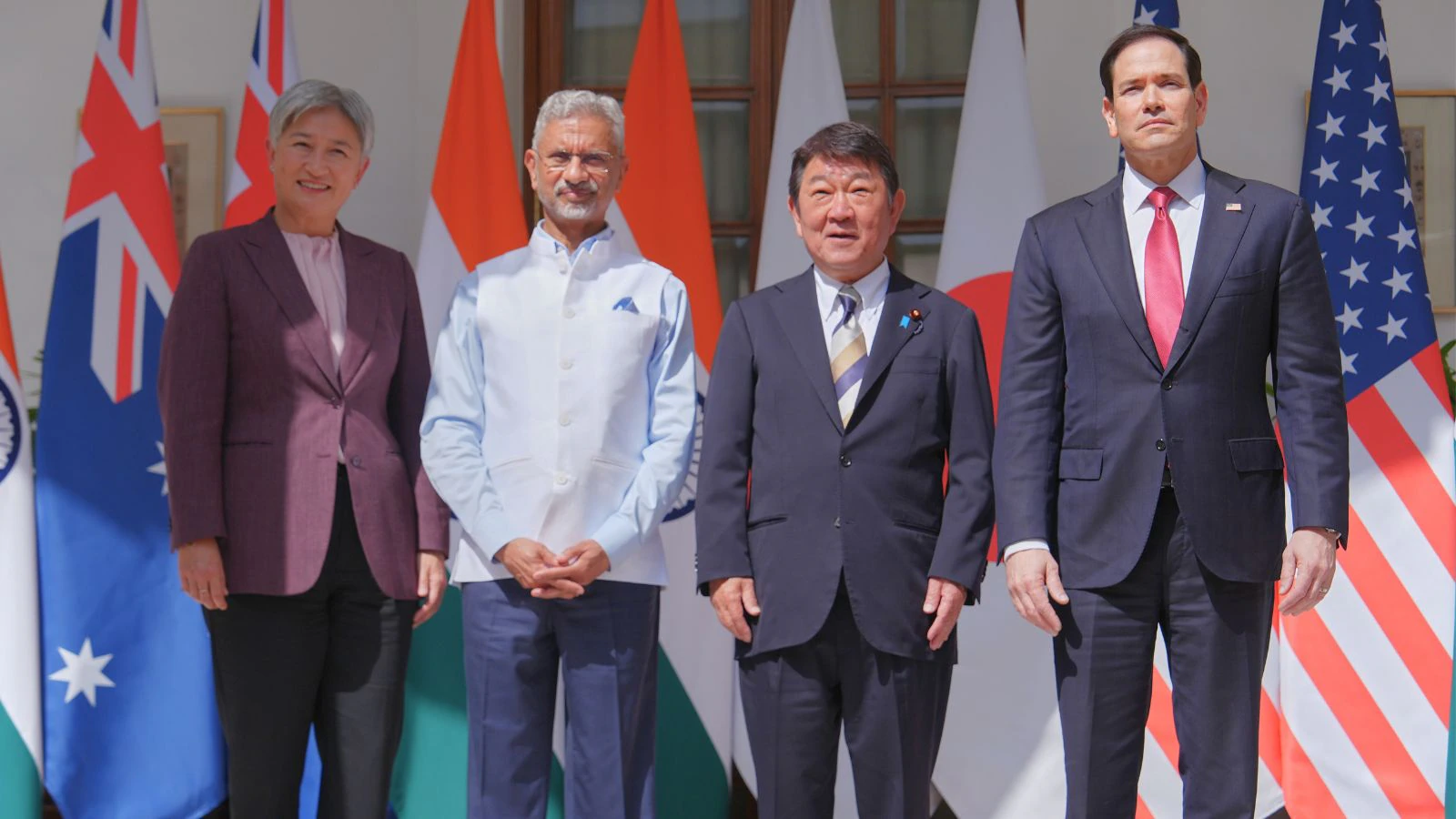
The Fiji port Quad discussion reflects growing alignment between Australia, India, Japan, and the United States under the Quadrilateral Security Dialogue. While the Quad does not operate as a formal military alliance, its coordinated focus on infrastructure, maritime security, and economic resilience has expanded in recent years.
Official statements on Quad cooperation emphasize a “free and open Indo-Pacific,” as outlined by the
U.S. Department of State Quad framework, which highlights infrastructure transparency and regional stability as key priorities.
Why Fiji Matters in the Pacific Power Balance
Fiji occupies a critical geographic position in the South Pacific, serving as a logistical and maritime hub between Asia, Australia, and the Americas. Any significant port development in the country has implications beyond trade, extending into surveillance, naval access, and regional influence.
Strategic analysts at the
Center for Strategic and International Studies Indo-Pacific program have long noted that infrastructure in Pacific Island nations is increasingly tied to broader geopolitical competition.
US-China Rivalry Intensifies Over Pacific Infrastructure
The growing interest in Fiji’s port capabilities comes amid heightened US-China rivalry in the region. China’s Belt and Road Initiative has already expanded infrastructure financing across multiple Pacific Island states, prompting counter-efforts from Quad members.
Policy discussions published by the
White House official statements archive underscore Washington’s commitment to countering coercive economic practices and strengthening regional partnerships through infrastructure investment.
Fiji Port Quad and Regional Diplomatic Sensitivities
Fiji has historically maintained a non-aligned foreign policy approach, balancing relations between major powers. However, increased external interest in its port infrastructure has placed pressure on its diplomatic neutrality.
Analysts at the
Lowy Institute Interpreter have frequently reported on how Pacific Island nations navigate competing development offers while preserving sovereignty and economic independence.
Economic Development Versus Strategic Militarization Concerns
Supporters of port development argue that Fiji requires modern infrastructure to boost trade, tourism, and economic resilience. Critics, however, warn that such projects can carry dual-use implications, potentially enabling military logistics in times of crisis.
Regional policy frameworks outlined by the
Australian Department of Foreign Affairs and Trade Indo-Pacific strategy emphasize transparency and sustainable development as safeguards against strategic overreach.
China’s Expanding Footprint in the Pacific
Over the past decade, China has significantly increased its presence in Pacific Island nations through infrastructure loans, port construction, and diplomatic engagement. This expansion has been a key driver of Quad coordination in response.
Economic data from the
World Bank Fiji overview highlights the country’s reliance on external financing for infrastructure development, a factor that shapes its engagement with multiple global partners.
Historical Context: Fiji’s Development and External Partnerships
Fiji’s economic and infrastructure development has long depended on international partnerships, including multilateral institutions and bilateral aid agreements. This historical reliance continues to influence how modern port projects are negotiated.
According to the
International Monetary Fund country profile for Fiji, external financing and fiscal planning remain central to the nation’s long-term development strategy.
Broader maritime governance frameworks, such as those discussed in the
United Nations Law of the Sea overview, also shape how Pacific nations manage port sovereignty and maritime jurisdiction.
Older Context: Pacific Geopolitics and Infrastructure Competition
The strategic competition in the Pacific is not new. Earlier analyses of regional infrastructure financing trends show a gradual increase in geopolitical involvement from major powers over the last decade.
Historical reporting on Indo-Pacific strategy development from organizations like CSIS and Lowy Institute has consistently highlighted how infrastructure projects often serve dual economic and strategic purposes.
Conclusion: A Small Port in a Global Power Game
The debate surrounding the Fiji port Quad initiative underscores how even relatively small infrastructure projects can become central to global strategic competition. As the US, China, and Quad partners continue to expand their influence in the Pacific, Fiji finds itself at the intersection of development opportunity and geopolitical pressure.
Ultimately, the future of Fiji’s port development will depend not only on engineering and finance, but also on the evolving balance of power across the Indo-Pacific region.