U.S. grocery chains are expanding beyond pharmacy counters and wellness aisles, betting that Food is Medicine programs — clinician-referred produce, medically tailored meals and dietitian coaching — can make the store a frontline health partner, Jan. 15, 2026.
They’re chasing new reimbursement dollars and deeper customer loyalty in a low-margin business, but the pitch only works if the food can be tied to measurable health outcomes and lower medical spending.
Food is Medicine moves from pilot to benefit
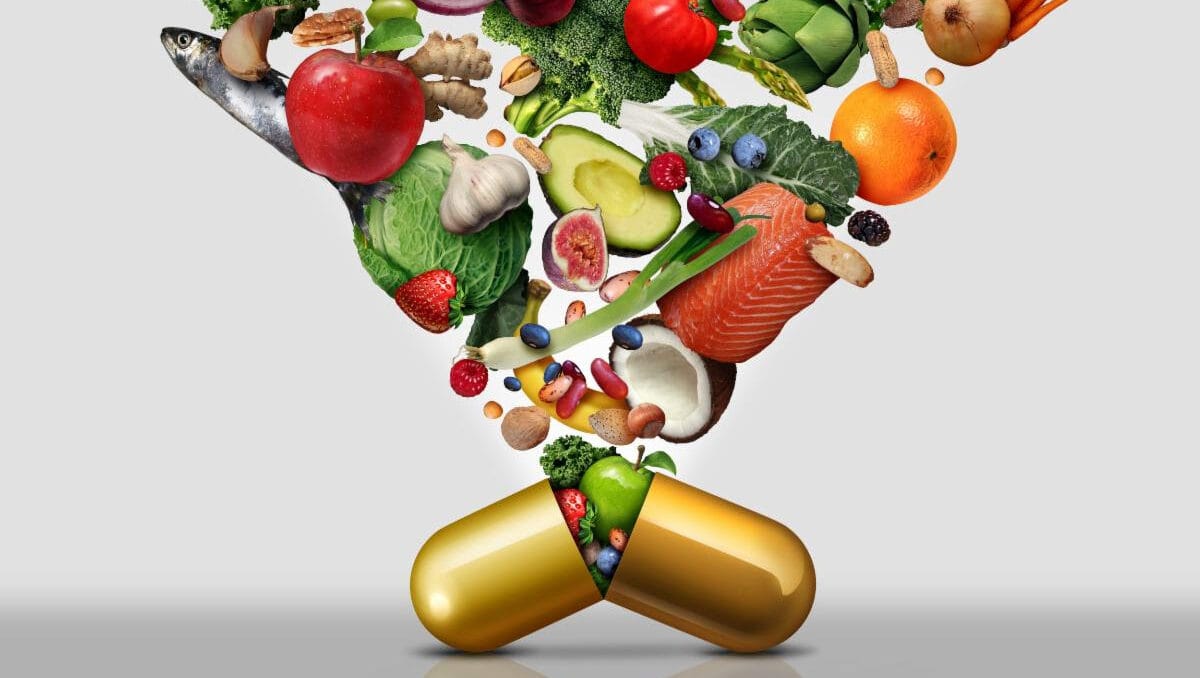
The phrase Food is Medicine is increasingly used as a catchall for interventions that connect nutrition directly to health care delivery — including medically tailored meals and groceries, produce prescription programs and nutrition incentive models. Federal health officials summarized the main approaches, and the systems needed to scale them, in a Food Is Medicine landscape summary.
Momentum is fueled by sticker shock. A 2025 Food is Medicine fact sheet compiled by Tufts and partner organizations points to the heavy national cost of chronic disease and estimates that the combined health care spending and lost productivity linked to poor diet and food insecurity exceeds $1.1 trillion annually.
Grocers test what health plans will pay for
For grocers, the opportunity is practical: they already run the supply chains, store networks and last-mile delivery that medically tailored grocery bundles require. The new twist is building programs that fit health-plan rules and clinical workflows — and can be tracked like other health benefits.
One recent example: Season Health and Albertsons Companies announced a California effort that lets eligible Medi-Cal members receive medically tailored grocery bundles through Safeway stores, paired with nutrition counseling. “We’re committed to making nutritious food more accessible for those who need it most,” Albertsons health executive Irina Pelphrey said in the companies’ release.
Other retailers have been building the playbook for years. In 2022, Grocery Dive detailed Kroger Health’s food-as-medicine playbook, including telenutrition and programs aimed at chronic conditions — an early sign that large grocers were trying to translate nutrition support into something health systems can refer and pay for.
Food is Medicine has history — and hurdles
The broader Food is Medicine movement did not begin with today’s benefit cards and apps. A 2020 trade publication overview of produce prescriptions connecting health care with retail described early partnerships, including pilots that let patients redeem fruit-and-vegetable “prescriptions” at grocery stores.
By 2022, the idea had reached mainstream banners: Stop & Shop worked with a nonprofit to expand a “prescribed” prepaid debit card program for healthier purchases — an approach that also raised the operational questions still facing Food is Medicine today, from data privacy to what qualifies as “healthy” at checkout.
Proof is growing, but health care is a tough business
Research is strengthening the case that produce prescriptions and nutrition support can improve both food security and clinical outcomes. Stanford Medicine highlighted recent findings on a Food as Medicine model combining fresh produce with health education, adding to a growing stack of evidence that payers say they need before covering programs at scale.
Still, retail’s push into health care comes with caution signs. Walmart shut down its in-store clinic business after concluding it could not make the economics work; in its announcement, the company cited “the challenging reimbursement environment and escalating operating costs” in explaining why it was exiting that line of care. The statement is laid out in Walmart’s notice that Walmart Health is closing.
That tension may shape the next phase: rather than trying to become a full-fledged provider, more grocers appear focused on what they can do best — supplying food, coaching and convenient access — while partnering with clinicians and insurers to make Food is Medicine feel less like a pilot and more like a standard benefit.