

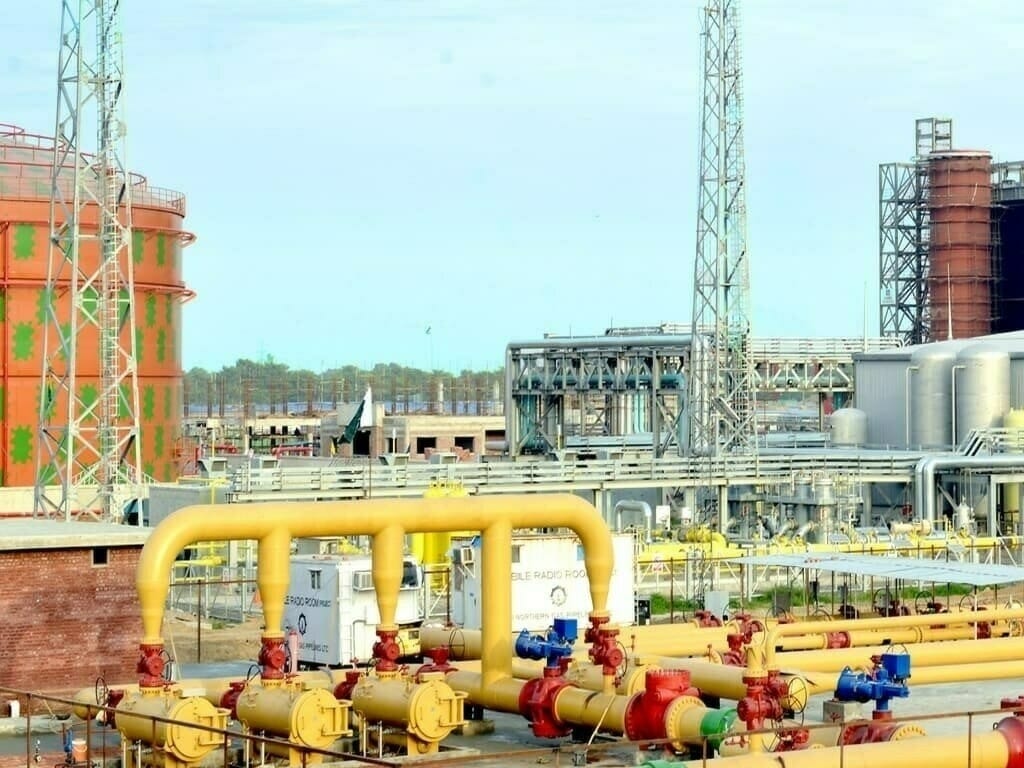
Gas tariff hike sparks industry alarm over cost pressures
The gas tariff hike proposal has become a major point of contention between policymakers and the business community, with manufacturers arguing that such an increase would significantly raise production costs and weaken export competitiveness. Industry representatives say energy already accounts for a major portion of operational expenses, particularly in textile, fertiliser, and small manufacturing sectors.
Business leaders are warning that the proposed adjustment could force production cuts and lead to job losses if implemented without phased relief or subsidies. Exporters have also raised concerns that Pakistan may lose price competitiveness in regional markets.
Earlier reporting on Pakistan’s energy pricing challenges has repeatedly highlighted structural inefficiencies in the gas sector, including circular debt and under-recovery issues, as noted in coverage by
Reuters reporting on Pakistan’s energy sector pressures.
Business community calls for policy rethink
Trade associations are urging the government to reconsider the magnitude of the increase, suggesting a gradual adjustment instead of a sharp upward revision. They argue that abrupt changes in utility pricing tend to trigger inflationary ripple effects across supply chains.
Some analysts point out that previous tariff revisions have already strained industrial output, with energy-intensive sectors particularly vulnerable. Historical coverage of Pakistan’s gas pricing reforms by
Dawn’s economic reporting on energy reforms
has similarly highlighted recurring tensions between fiscal stabilization goals and industrial sustainability.
Energy sector reforms and recurring tariff debates
The latest debate is not isolated. Pakistan has experienced repeated cycles of tariff adjustments and renegotiations with international financial institutions aimed at reducing fiscal pressure in the energy sector. However, such measures have often faced resistance from industry due to their immediate cost impact.
In previous energy sector assessments, the World Bank has noted that pricing reforms are essential for long-term stability but must be balanced with protections for vulnerable industries, as reflected in its broader analysis of Pakistan’s energy sector reforms:
World Bank Pakistan energy and economic development insights.
SSGC tariff proposal under review
Regulatory authorities are currently reviewing the SSGC proposal, and a final decision is expected after consultations with stakeholders. Officials have indicated that adjustments may be moderated depending on economic impact assessments and government policy direction.
Meanwhile, business groups continue to push for urgent dialogue, warning that failure to address concerns could lead to industrial slowdown at a critical time for the economy.
Past energy policy discussions covered by
Business Recorder’s energy sector analysis
have repeatedly underscored the challenge of balancing cost recovery with industrial growth, a dilemma that continues to shape Pakistan’s gas pricing decisions.
Outlook
As the debate over the gas tariff hike intensifies, stakeholders remain divided between fiscal reform needs and economic sustainability concerns. The coming weeks are expected to be crucial as regulators weigh industry warnings against broader macroeconomic targets.


